0:48 AM Aquascaping With Live Rock: Natural Design Principles |
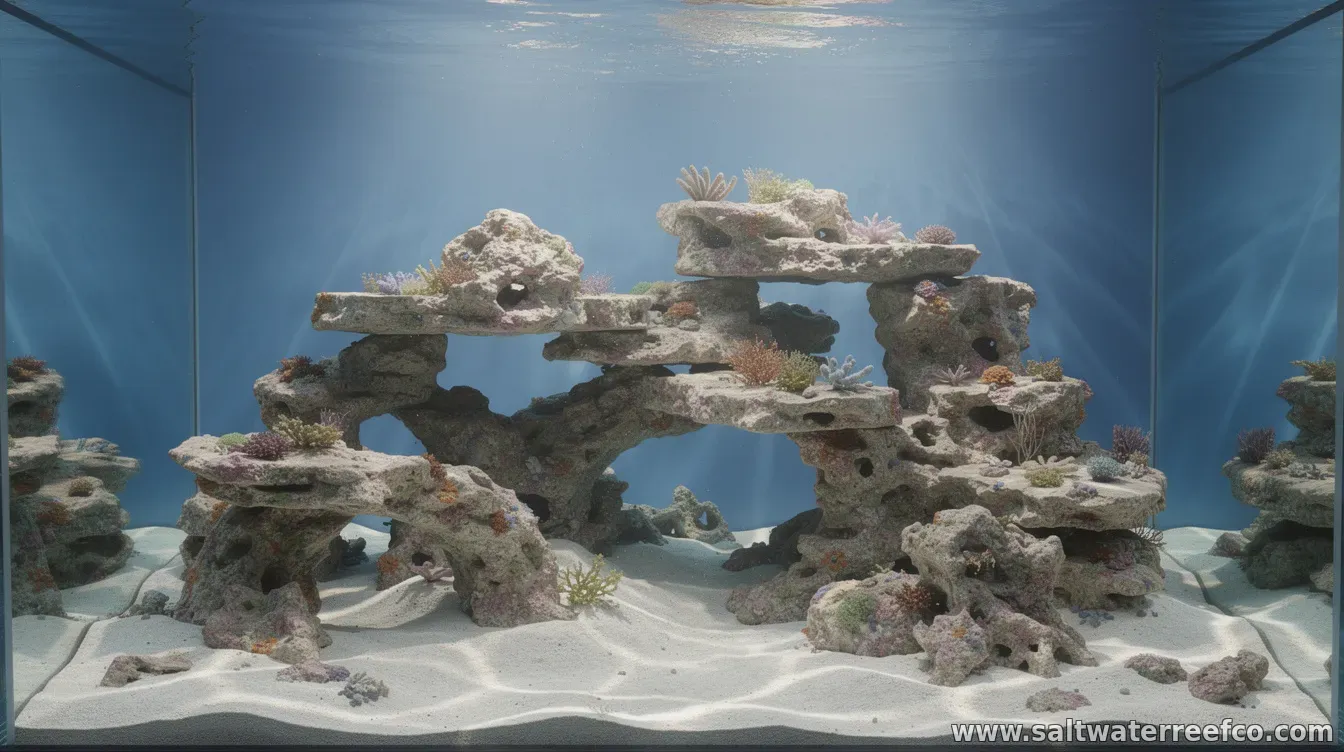
Aquascaping with live rock is popular because it combines aquarist aesthetics with real ecological value: beneficial bacteria can colonize rock surfaces, and the structure can support long-term stability. But the most natural-looking tanks usually don’t happen by accident—they follow a few clear design principles. Start with structure, not just pilesBefore you glue or lock pieces in place, build the aquascape as a complete composition. Think of your rockwork as a “framework” that balances height, width, and shape. Even if the rocks are irregular, the overall silhouette should be intentional—avoid scattering rocks randomly across the footprint. Most natural layouts use a strong focal area (often slightly off-center) supported by secondary forms that lead the eye toward it. Keep one “main peak” or ridge and let the rest of the rockwork taper and blend. Use negative space to make it look realNature rarely produces solid blocks. Empty areas—open sand/rock gaps, swim-through routes, and visible background depth—are what make a reef tank feel like a landscape rather than a wall of rock. Try leaving at least one meaningful void where a fish can pass or where lighting can create gentle shadow contrast. When in doubt, remove a piece and look again. Natural aquascapes usually read better with fewer, more thoughtfully positioned rocks. Consider flow: design for movement, not just appearanceLive rock works best when water can circulate around it. Plan your rock layout so pumps can generate consistent flow through the aquarium’s water column—especially through the “gaps” you create for negative space. Tight, enclosed stacks can trap detritus and reduce oxygen exchange inside the rockwork. As a guiding principle, aim for pathways where detritus can be suspended and carried toward filtration rather than settling in stagnant corners. Create stable support and safe boundariesMany natural-looking structures are built on a stable base: either a rock “footprint” that doesn’t shift, a carefully arranged substructure, or a temporary support during assembly. This matters for safety and long-term stability, particularly as coralline algae and biofilm develop and you refine placement. Once your structure is secure, consider how it will interact with future changes—new coral placement, equipment adjustments, and potential livestock rehoming. A good aquascape can evolve without collapsing. Build height with a realistic gradientInstead of placing every rock at the same elevation, create a gradient—high areas that transition to mid-level shelves and then to lower ground near the substrate. This layering approach mimics natural reef slopes and gives aquascaping “scale,” making the tank feel larger than its footprint. When choosing which rocks go where, prioritize shape: flatter pieces often work well for ledges; more complex, branching forms help create natural texture and visual interest. Let the rock do the work over time. With lighting, flow, and clean nutrient management, live rock develops biofilm and coralline algae that soften sharp edges and enhance the natural look. Resist over-adjusting early—frequent rearranging can stir detritus and disrupt early colonization. To dial in the final result, take photos from the front, both corners, and slightly above eye level. If the tank reads well from multiple angles, your composition likely balances form and function. With a stable structure, intentional negative space, and flow-friendly gaps, aquascaping with live rock becomes less of a scramble and more of a repeatable design craft. |
|
|
Next & Previous posts