2:19 AM Fish-Only vs FOWLR vs Reef: Which Setup Fits You? |
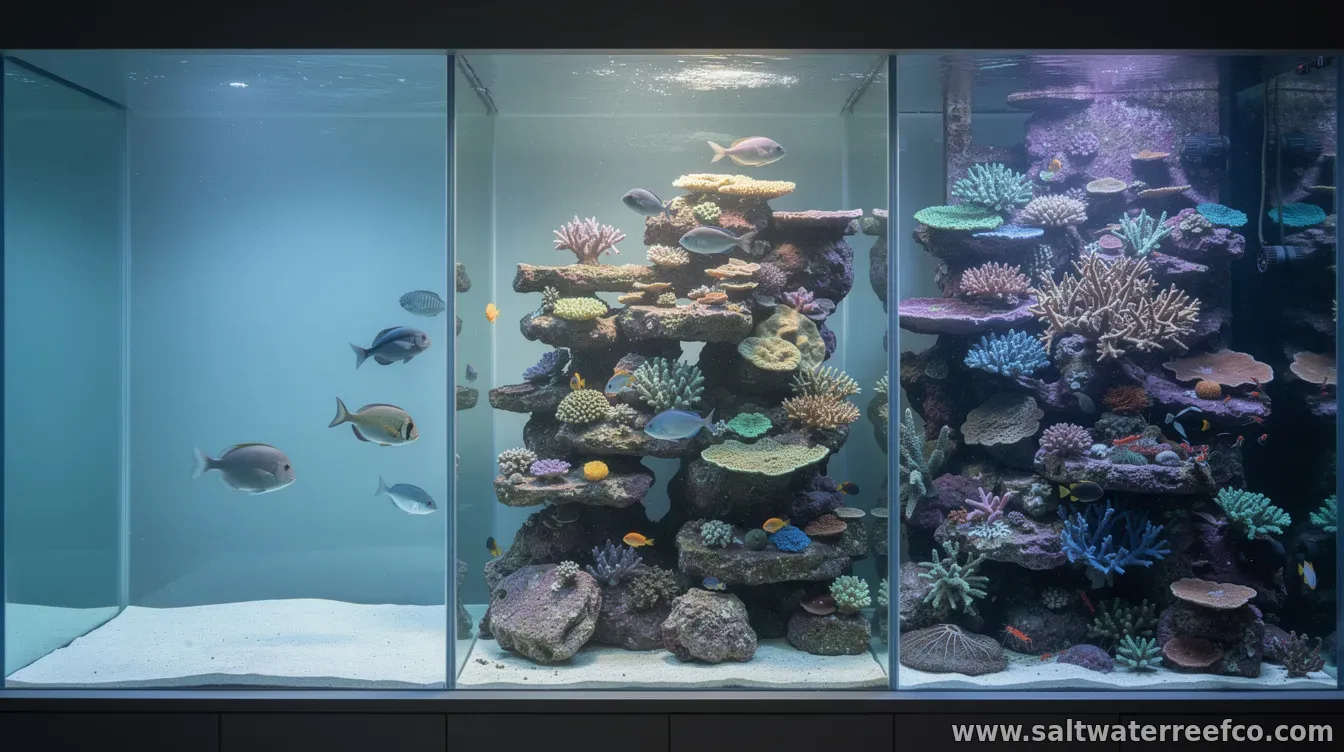
Setting up a saltwater tank can feel overwhelming, but the decision is usually straightforward once you compare three common paths: Fish-Only (FO), FOWLR (Fish-Only with Live Rock), and reef aquariums. The “right” choice depends less on which sounds cooler and more on how much time, budget, and precision you’re ready to commit to. FO systems focus on fish only, with minimal reliance on living organisms in the display. FOWLR keeps live rock as biological filtration and habitat while still skipping the typical coral-reef demands. Reef tanks add corals and invertebrates, which require tighter control of water chemistry and lighting—plus more targeted feeding and monitoring. Fish-only (FO): the simplest starting pointAn FO tank is the most forgiving option if you primarily want fish, enjoy aquascaping, and prefer lower complexity. Because you’re not trying to maintain coral health, you can run a more flexible approach to lighting and water chemistry. FO is typically best for beginners who want a straightforward learning curve—such as building stability, managing filtration, and dialing in salinity and temperature. It’s also useful if you want to avoid specialized gear like high-end lighting and reef-specific dosing systems. FOWLR: live rock for natural filtration and a richer systemFOWLR stands for Fish-Only with Live Rock, and it’s a popular middle ground for hobbyists who want more “reef-like” behavior without committing to corals. Live rock provides surface area for beneficial bacteria, helping biological filtration and supporting a more natural ecosystem. In practice, FOWLR can offer a more dynamic tank than FO, with natural grazing and microfauna developing over time. However, live rock also means you’ll need to think about long-term stability: curing rock (if starting from dry), managing algae cycles, and ensuring consistent water parameters to keep the system healthy. Reef tanks: maximum color, but minimum margin for errorA reef aquarium is designed for corals and often includes invertebrates like shrimp or snails. The payoff is the most vibrant, visually complex results—but reef keeping is also the most demanding. Corals generally require stable water quality, appropriate light intensity and spectrum, and careful attention to nutrients and trace elements. Reef tanks typically involve stronger filtration strategies, more consistent temperature control, and lighting suited to the coral types you want to keep. Many reef keepers also plan for ongoing supplementation and regular testing because small swings can affect coral health. Before you buy livestock, it helps to match your expectations to the level of stability your setup can realistically maintain. If you can’t test often or adjust quickly, reef keeping may become frustrating. If you enjoy monitoring and gradual fine-tuning, it can be extremely rewarding. Which setup is right for you? A quick decision guideConsider these questions when choosing between FO, FOWLR, and reef:
In many households, FO or FOWLR is the best “fit” because it delivers enjoyment without constant intervention. Meanwhile, reef tanks are ideal for hobbyists who want to cultivate living systems and don’t mind learning water chemistry as part of the hobby. No matter which route you choose, the fundamentals remain the same: use proper cycling, choose appropriately sized equipment, avoid overcrowding, and research species compatibility before purchase. A well-planned FO or FOWLR tank can be more stable—and more successful—than a rushed reef attempt. If you’re unsure, start with an honest assessment of your time and budget, then pick the setup that matches your day-to-day lifestyle. You’ll enjoy the tank more when your system’s complexity matches your comfort level. |
|
|
Next & Previous posts