0:23 AM Allelopathy in corals: how chemical warfare affects reefs |
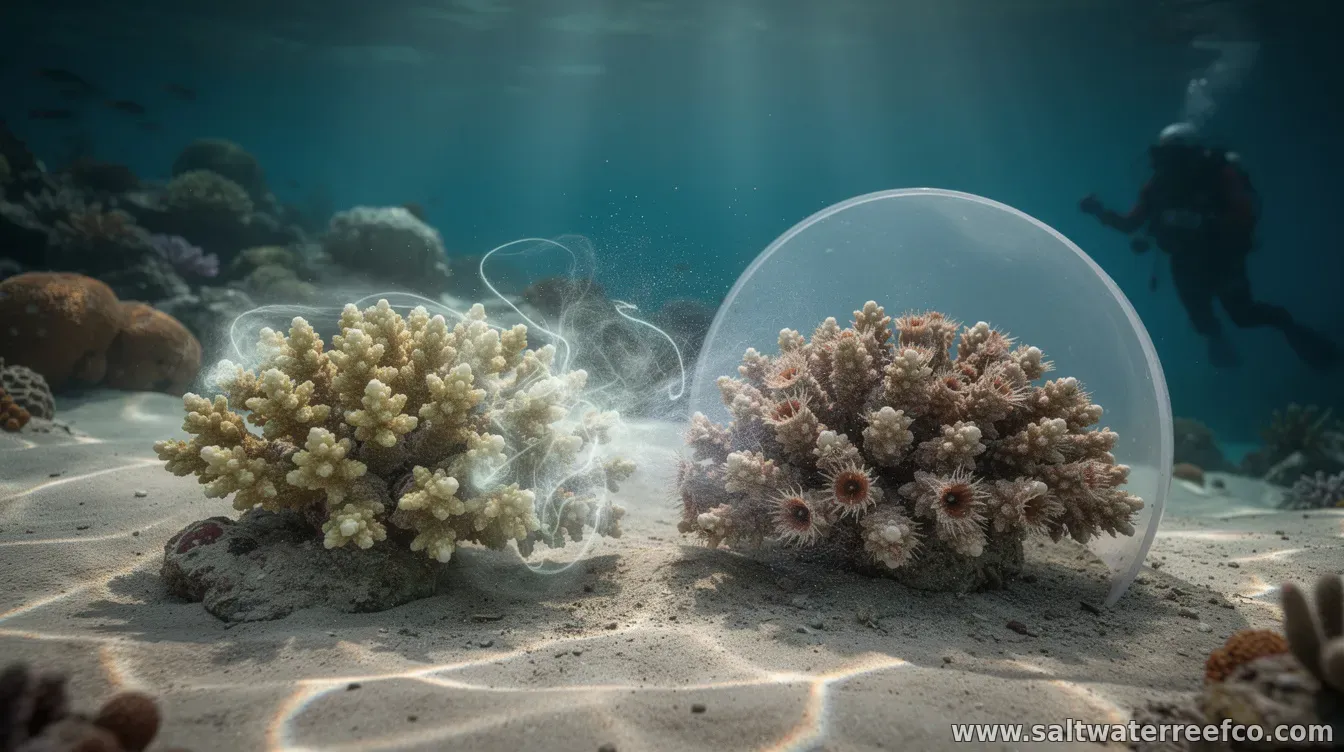
Reefs are often described as ecosystems built on light, water flow, and space. But increasingly, scientists are focusing on another competitive force: allelopathy, a form of chemical interference in which corals and other reef organisms release compounds that affect neighboring species. In simple terms, some corals and benthic organisms can “fight” without physical contact. By altering the growth, settlement, or survival of nearby competitors—especially soft corals, algae, and other sessile invertebrates—chemical signaling can shape who dominates a patch of reef. What “chemical warfare” looks like on reefsAllelopathic effects are typically observed when one organism releases bioactive molecules that reduce the fitness of others. In reef contexts, this can mean slowed tissue growth, hindered larval settlement, or increased stress responses in susceptible species. The strongest impacts are often seen in areas where dilution is limited, such as sheltered coves, deeper reef microhabitats, or tanks with constrained circulation. Researchers also note that allelopathy doesn’t operate in isolation. Environmental conditions—temperature, nutrient levels, and water movement—can influence both how much chemical material is released and how quickly it disperses. That means the same coral may show stronger competitive effects under some conditions than others. Why management is getting attentionWhen chemical competition is intensified, it can contribute to shifts in community structure. This matters for reef conservation because dominant species can suppress biodiversity by excluding competitors, potentially reducing overall resilience. On damaged or disturbed reefs, altered community balance may make allelopathic outcomes more consequential. In addition, allelopathy is a practical challenge for coral aquariums and restoration systems. Hobbyists and facility managers may notice inhibited growth or tissue stress after introducing new corals—sometimes without realizing that chemical compounds are the trigger. How to reduce harmful allelopathy: key approachesThere is no single “antidote” for allelopathy because the underlying chemistry varies by species and compound. Still, several evidence-informed strategies can help limit exposure and improve outcomes:
For conservation managers, the same principles—especially understanding exposure pathways and hydrodynamics—can be translated into field planning, such as avoiding layouts that restrict exchange in restoration plots. What to look for in early warning signsAllelopathic impacts can be subtle at first. In aquarium settings, warning signs may include reduced growth near a particular donor coral, tissue recession, or unusual stress patterns in neighboring organisms. In the field, changes may be inferred through shifts in cover, reduced recruitment, or localized dominance that aligns with the presence of known chemical producers. Because other stressors (disease, parasites, sedimentation, salinity swings) can mimic allelopathic damage, careful observation and controlled testing are important before attributing cause. Next steps for research and reef resilienceScientists are working to identify which compounds are involved, how environmental conditions regulate their release, and why some species are more resistant than others. Better understanding could help refine restoration strategies—promoting coexistence rather than chemical exclusion—and improve aquarium husbandry protocols. As reef ecosystems face accelerating disturbances, managing the invisible layer of chemical interactions may become as important as managing light and water quality. The goal is not to eliminate competition, but to reduce unintended, chemistry-driven imbalances that can undermine biodiversity and recovery. |
|
|
Next & Previous posts