0:47 AM Aiptasia Anemones: How to Identify and Eliminate Them |
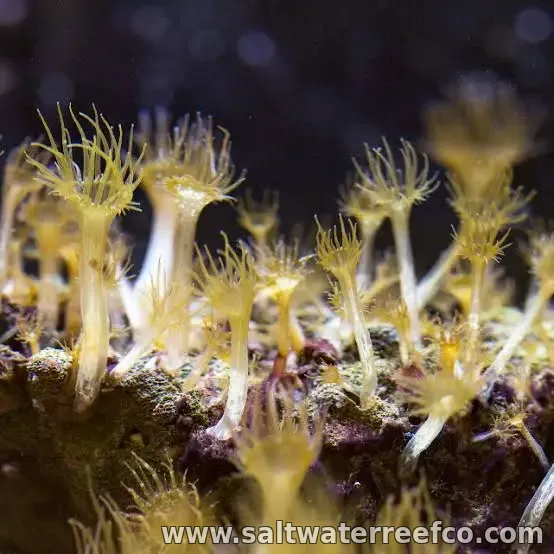
Aiptasia anemones (often called “glass anemones”) are among the most common nuisance invaders in marine aquariums. Though they may look like small, harmless anemones at first, they can reproduce quickly and compete with corals—making early identification and reliable elimination key for reef stability. Because different species and tank conditions can change their appearance, the most effective control strategy starts with knowing what you’re looking at. From there, the goal is to remove the anemone’s mouth and tentacle tissues while limiting the release of fragments into the water column. How to identify Aiptasia in your aquariumMost keepers first notice aiptasia as a small, fast-expanding anemone with a distinctive “bubble” look. They typically extend thin, transparent to pale tentacles—often with a central column—then retract quickly when disturbed. Common identifying traits include:
While some beneficial anemones can resemble aiptasia from a distance, the pest is usually smaller, more reclusive, and more likely to spread from rock seams, overflows, and crevices. Why elimination needs to be thoroughAiptasia can rebound if even small tissue fragments remain. When they’re cut, targeted liquids are applied, or they’re stressed, they may release pieces into the tank. Those fragments can reattach and grow into new anemones, which is why “one-and-done” approaches often fail. In practice, control works best when the treatment reaches the full living tissue at the base and you manage potential fragments immediately after. Safe elimination methods (what usually works)Several approaches are commonly used by reef keepers. The right choice depends on how widespread the infestation is, what corals and invertebrates you keep, and how easily you can access affected rock. 1) Direct chemical control 2) Physical removal with precision 3) Biological assistance 4) Integrated “knockdown + cleanup” strategy Aftercare: preventing a returnOnce you remove visible anemones, the next risk is regrowth from missed individuals or reproduction. Make a simple routine: inspect seams and shaded rock areas regularly, especially after feeding changes or when new flow patterns develop. Also consider tank-wide stability. Rapid swings in nutrients, lighting, or water movement can stress corals and create space for opportunistic pests. Clean up detritus, maintain consistent parameters, and avoid introducing live rock or frags without inspecting for tiny polyps or column-like growth. When to escalateIf the infestation is spreading across multiple sections of the tank, repeated treatments on single spots may take longer than expected. In that case, a broader plan—such as targeted treatment of entire rock pieces, a temporary reduction of flow during dosing, or consultation with an experienced local reef retailer—can save time and reduce collateral stress to your livestock. With accurate identification and follow-through, most tanks can get aiptasia under control. The difference between ongoing frustration and long-term success is rarely “finding a treatment,” but instead ensuring the base is handled and then checking for regrowth early. |
|
|
Next & Previous posts