1:00 AM Coral Placement Zones in the Aquarium: A Practical Guide |
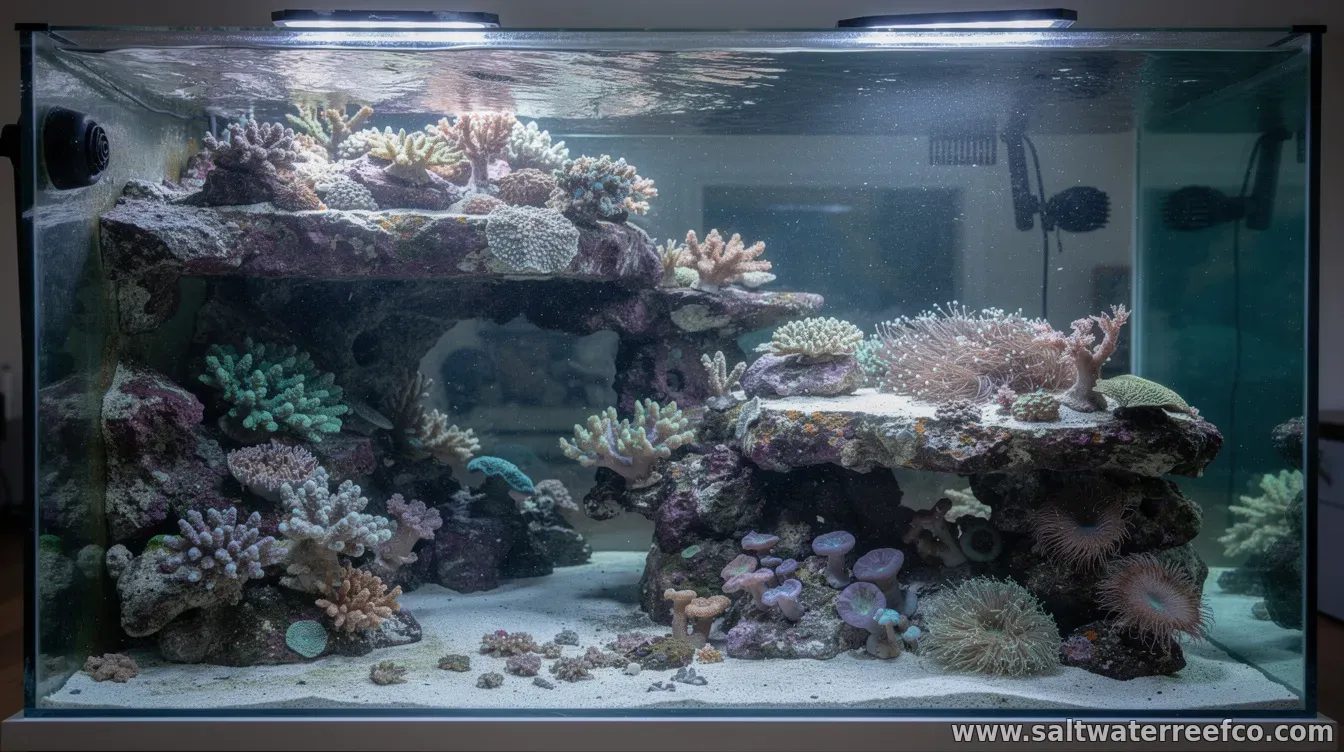
Corals don’t all want the same conditions. Even within a single aquarium, differences in lighting intensity, water movement, and proximity to substrate or open water create distinct “placement zones.” If you match each coral type to the zone that best fits its needs, you reduce stress and help colonies thrive. 1) The high-light zone (top and upper rockwork)Most photosynthetic corals perform best under stronger lighting. In practice, this is usually the top third of the tank and the highest points of your rockwork—areas that receive the most direct PAR from your fixtures. SPS corals (such as Acropora and Montipora) are common candidates here, provided your lighting is appropriate and acclimation is gradual. Tip: Use your light schedule and intensity to “ramp up” corals over days to weeks. Sudden placement into intense light can cause paling, tissue recession, or other stress signs. 2) The moderate-light zone (mid-tank rock and shaded ledges)The mid-water section and many middle shelves/ledges receive indirect or reduced intensity compared with the top. This zone is often a good fit for mixed-need corals, including many LPS corals (depending on species) and soft corals that still benefit from decent illumination. It’s also a safer starting point for corals you’re unsure about. If you place a coral here, watch its expansion and coloration over time. If it stretches thinly or fails to extend feeding/polyp behavior, it may want more light or slightly different flow. 3) The low-light zone (bottom, caves, and shaded corners)Not all corals prefer bright exposure. The bottom third, overhangs, caves, and areas behind rock structures can create lower-light microhabitats. Some soft corals and certain shaded species (varies widely by type) may fare better in these conditions. Detailing placement matters because light can drop quickly as distance from the light source increases. Be cautious: “low light” doesn’t mean “low care.” Water quality and stable parameters still strongly influence coral resilience. 4) Flow zones: open water vs. sheltered flowCoral success depends not only on light but also on water movement. Create a flow map by observing where currents land and where they dissipate. Areas with steady, gentle-to-moderate flow are different from hotspots where strong jets repeatedly slam into rock. In general, SPS corals often prefer more turbulent or stronger, indirect flow, while many LPS corals do better with gentler movement that helps keep detritus from settling without blasting tissues directly. Soft corals vary, but many prefer moderate flow that supports feeding and keeps the surface clean. 5) Contact and spacing zone (coral boundaries and aggression control)Even when light and flow match, corals can harm each other through direct contact or chemical warfare. Maintain a “boundary zone” where you can prevent sweeper tentacles from reaching neighbors and allow space for growth. A common strategy is to plan the likely adult size and leave enough room between colonies to reduce chronic stress and unexpected tissue damage. Consider using physical spacing (rocks, acrylic spacers, or arranging colonies on different levels) and monitoring behavior during feeding cycles and nighttime polyp extension. 6) Substrate and bottom feeding considerationsSome corals benefit from being positioned where particulate food can reach them more consistently, such as within gentle flow paths where detritus circulates. Others prefer calmer microhabitats where they can remain undisturbed. If your tank has uneven circulation, pick locations that deliver the kind of food delivery your coral’s feeding style needs. When in doubt, start with a mid-zone placement and adjust gradually after you’ve observed polyp extension, feeding response, and how quickly detritus accumulates around the coral. To place corals effectively, think in terms of zones rather than single points. Define your tank’s lighting gradient (top-to-bottom), flow patterns (jet paths vs. sheltered pockets), and growth boundaries (spacing and neighbor contact). Then acclimate slowly and fine-tune based on visible behavior—polyp expansion, tissue condition, and coloration are often the earliest signals that a coral is either comfortable or searching for better conditions. |
|
|
Next & Previous posts