0:41 AM Common Reef Tank Problems—and How Pros Prevent Them |
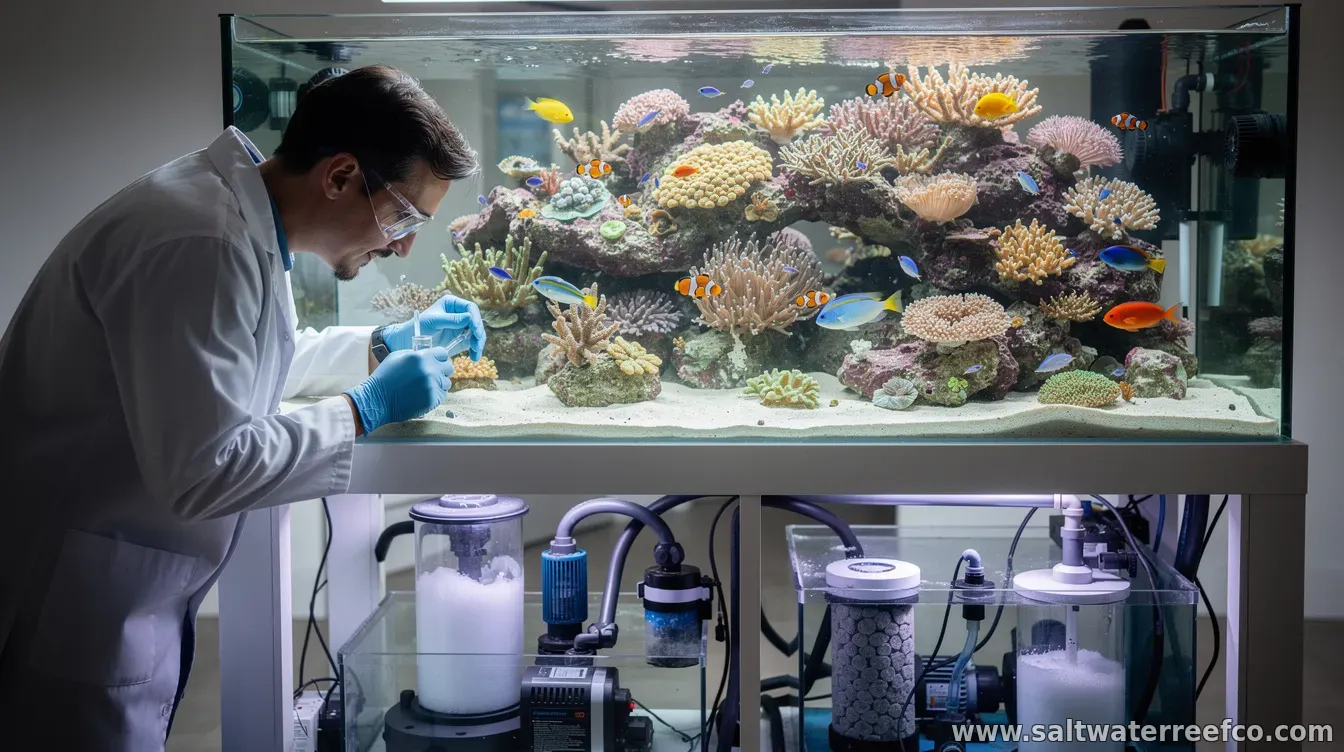
Reef tanks reward patience, but small mistakes or gradual equipment drift can quickly turn into visible problems—algae takeover, stressed fish, cloudy water, or coral decline. Many common reef tank failures aren’t caused by one dramatic event; they stem from inconsistent testing, missed maintenance, and reactive adjustments rather than prevention. Water chemistry swings that destabilize the tankOne of the most frequent issues in home reef systems is parameter instability. Changes in alkalinity, calcium, salinity, nitrate, or phosphate—often from evaporation, feeding variations, or outdated dosing—can stress corals and weaken fish. Professionals prevent this by using calibrated testing schedules, tracking trends over time, and adjusting dosing and top-off systems based on measured water conditions rather than guesswork. Algae blooms from nutrient imbalancesAlgae isn’t always a “cleanliness” problem; it’s commonly a nutrient management and light-flow balance problem. High nutrients (or sudden nutrient increases) can fuel nuisance algae, while insufficient biological filtration or inefficient skimming can make control harder. Professional service typically combines targeted testing, review of feeding practices, evaluation of filtration performance, and maintenance of filters/skimmers to reduce nutrient accumulation without starving beneficial processes. Coral and fish stress from improper acclimation and stockingMany reef problems begin during introductions—new fish, invertebrates, or coral that arrive under different water conditions than the tank. Without proper acclimation and observation, the stress can lower immunity and increase the risk of disease or parasites. Pro services often incorporate quarantine-style routines (or equivalent safeguards), careful acclimation procedures, and stocking plans that account for aggression, compatibility, and the biological load each addition creates. Hidden disease and parasite risksEven healthy-looking animals can carry pathogens or parasites. Common symptoms like flared gills, rapid breathing, white spots, or skin irritation may appear after a tank’s stress levels rise. Professionals reduce this risk by monitoring tank health patterns, maintaining consistent husbandry, and responding early—using informed, reef-safe interventions when needed rather than delays that allow outbreaks to spread. Equipment failures: the “silent” cause of crashesSmall mechanical problems can become major emergencies in a short time. A malfunctioning heater, a clogged return pump, inadequate flow, failing powerheads, or dosing errors can cause rapid shifts in temperature, oxygenation, and circulation. Professional service helps by inspecting equipment regularly, verifying function, calibrating dosing/top-off setups, cleaning wear points before they clog, and using preventive checks that catch issues before livestock is impacted. Why preventive service often costs less than emergency recoveryWhen a reef system breaks down, the repair path can involve multiple rounds of troubleshooting—sometimes including livestock losses, extensive rescues, and restarting parts of the biological system. Preventive professional support aims to keep the tank within a stable “comfort zone” through routine testing, documented maintenance, and responsive adjustments based on data. For many reef keepers, that proactive approach reduces downtime and protects the long-term health of corals and fish. Whether you’re building your first reef or refining a mature system, the key is consistency: reliable measurements, clean and functioning equipment, responsible additions, and early intervention. Professional service can turn those principles into a repeatable program—helping you spend more time enjoying your reef and less time reacting to problems. |
|
|
Next & Previous posts