1:42 AM Brooklynella and Flukes: Overview for Marine Aquariums |
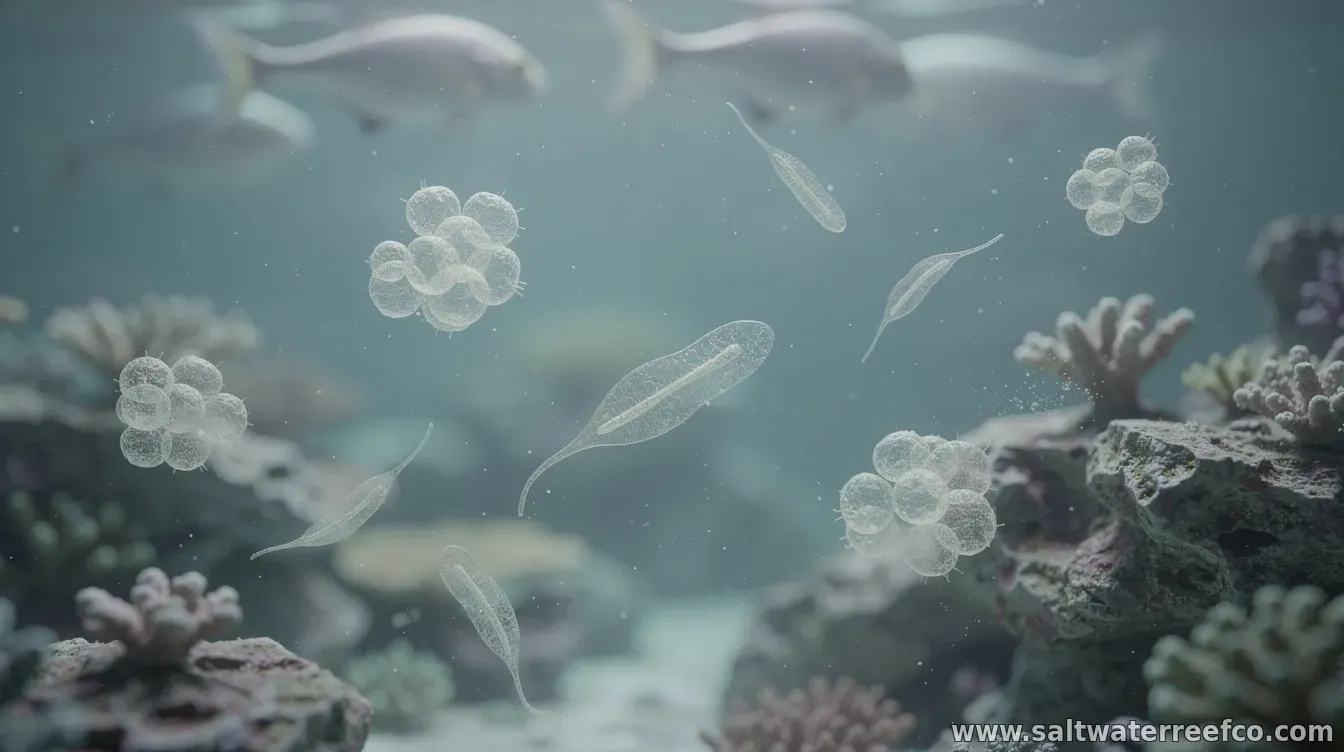
Brooklynella and marine flukes are among the more urgent causes of sudden illness in saltwater fish kept in aquariums. Both can spread quickly, trigger rapid deterioration, and present overlapping symptoms—so owners benefit from a clear overview of what each condition is, how to recognize it, and how to reduce risk. Brooklynella is a parasite commonly associated with marine “clownfish-like” hosts, though it can affect many species. It is notorious for moving fast and causing visible distress—often recognized by abnormal skin conditions and significant respiratory stress in affected fish. Flukes is a broad term aquarium keepers use for parasitic flatworms (typically gill and skin flukes) that attach to tissues. Depending on the species involved and the fish’s health, infestations may cause breathing difficulty, irritation, and behavioral changes that can escalate if not addressed. Key signs to look forWhile symptoms vary by species and severity, owners often report that both Brooklynella and flukes are linked to changes in breathing and skin condition. Fish may show increased mucus, abnormal swimming, loss of appetite, or visible skin sloughing. With gill-associated flukes, signs can include faster breathing and flashing or rubbing against surfaces. Because the visual picture can look similar across parasites (and can overlap with bacterial or environmental stress), careful observation matters. Note when symptoms began, what species are affected first, and whether multiple fish deteriorate in a short window—patterns that can suggest an infectious parasite outbreak. How they spread in aquariumsMost parasite introductions come from new fish or contaminated transfers. Brooklynella and flukes can enter a system when quarantining is skipped or shortened, when fish are added from sources with unknown health status, or when equipment is shared across tanks without disinfection. In general, outbreaks are more likely in systems with recent stocking, high stress, or crowded conditions. Stress suppresses immune responses, which can make fish more vulnerable and can worsen how quickly symptoms progress once parasites are established. Why speed mattersBrooklynella in particular is widely considered time-sensitive because fish can deteriorate rapidly. Fluke infestations can also become severe if parasites load increases or if gill function is compromised. For this reason, owners often treat “early action” as a core strategy: isolate affected fish, avoid spreading the problem, and get a treatment plan underway as soon as possible. That said, “treat immediately” should be paired with smart handling. Abrupt changes—like sudden salinity or temperature swings—can compound stress. If you’re planning medication, verify compatibility with your setup (especially if you have invertebrates or sensitive filtration processes). Practical prevention and controlQuarantine is the most effective prevention step for parasites in home aquariums. Use a separate hospital/quarantine tank, observe new arrivals closely, and avoid moving water, nets, or hands between tanks without proper cleaning. Observation routines help catch problems early. Monitor new fish for behavioral and breathing changes, watch for abnormal mucus or skin effects, and keep a simple timeline of when symptoms appear and whether others follow. Hygiene and equipment discipline reduce cross-contamination. When outbreaks occur, restrict handling to dedicated equipment for the affected tank and consider how water-sourcing and transfer practices might have introduced pathogens. When to involve a professional: if multiple fish are worsening quickly, if gill function appears compromised, or if you’re unsure which parasite is responsible, consult an aquatic veterinarian or an experienced aquatic health professional. Accurate identification can improve treatment decisions and reduce the risk of unnecessary medication. Brooklynella and marine flukes are serious, but they’re also manageable when owners act early and focus on prevention. With disciplined quarantine, consistent observation, and a prepared plan for rapid isolation and treatment, aquarists can better protect fish health and limit the chances of a widespread outbreak. |
|
|
Next & Previous posts