0:14 AM Velvet disease: symptoms, urgency, and treatment |
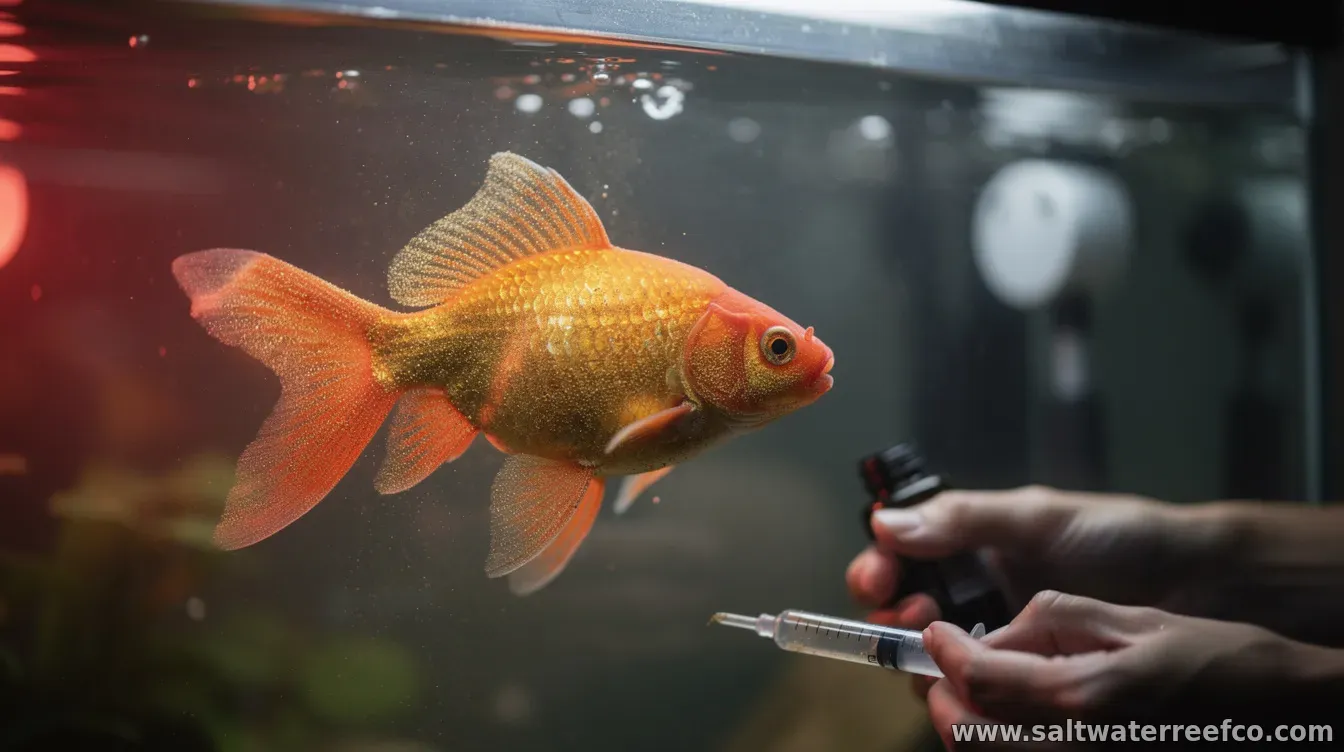
“Velvet disease” is a common name used by aquarists for infections that produce a velvety, dust-like coating on fish. While the exact cause can vary, the condition is typically associated with parasitic organisms (often dinoflagellates in the genus Aquarium disease references vary by region), and it can progress fast—making early recognition and prompt action essential. The core warning sign is a change in the fish’s appearance and behavior: affected fish may look as if they’ve been dusted with gold, tan, or gray “sand,” and they may become unusually lethargic or distressed. Key symptoms to identify velvet diseaseCommon signs aquarists report include a fine coating on the skin, gill area, or fins, along with behavioral changes. Fish may rub or flash against objects, appear “clamped” (fins held close), or breathe more rapidly than normal. Because early symptoms can resemble other problems—such as ich (white spot disease), external bacterial issues, or gill irritation—many keepers confirm by closely observing the texture (dusty/velvety) and the speed at which the condition worsens. Additional cues that raise concern include reduced appetite, color fading, increased mucus production, and noticeable breathing difficulty. In more advanced cases, fish may gather near the water flow or surface due to oxygen stress. Why urgency mattersVelvet disease is considered urgent because parasites and their life stages can multiply quickly under typical aquarium conditions. As gill function and overall resilience decline, fish may deteriorate over a short period—sometimes within days—especially in crowded systems or tanks with poor water quality. If you suspect velvet disease, avoid waiting to see if it “goes away.” Early treatment plus environmental correction is often the difference between recovery and losses. Delays also increase the risk that more fish will become infected. What to do right now (practical next steps)Start by isolating affected fish when possible (a quarantine or hospital tank helps reduce spread and allows more controlled treatment). Meanwhile, perform basic water-quality checks (temperature, ammonia, nitrite, nitrate, and pH), since stress and deteriorating conditions can make outcomes worse. Stop using medications “blindly” if you’re unsure of the diagnosis; however, if the clinical picture strongly matches a velvety coating and rapid breathing changes, swift action is generally warranted. Many hobbyists also reduce feeding temporarily if fish are not eating, while ensuring the water remains clean and oxygenated.
Note: Many “treatment success” strategies also involve addressing the broader tank environment. Depending on the pathogen’s life cycle, treatments may require the main display tank to be left fallow for a period or managed in a specific way—otherwise new infections can recur. Treatment approaches used by aquaristsTreatment typically targets the infectious stage in the water and on the fish, often using medications specifically sold for velvet disease or related parasitic conditions. Product instructions matter because dosing and duration can vary by medication type and aquarium setup. Common elements across approaches include maintaining the correct temperature for effective dosing, following the labeled treatment schedule closely, and monitoring fish daily for improvements (less dusting, calmer breathing, return of normal behavior). Some therapies also rely on supporting the fish with appropriate water quality and avoiding additional stressors during recovery. Because velvet-like symptoms can overlap with other diseases, it’s important to avoid under-treating. At the same time, overuse of treatments can harm fish or disrupt beneficial biological filtration—so careful use and, when needed, guidance from experienced professionals or reputable guides can help. Aftercare and preventing relapseEven after visible signs improve, fish can remain vulnerable. Continue monitoring for several days and keep water parameters stable. If a quarantine setup was used, practice strict hygiene to prevent reintroducing pathogens. Prevention often comes down to reducing stress and minimizing introduction of new parasites. Many aquarists use quarantine for new fish, maintain consistent water quality, and avoid sudden changes in temperature or chemistry that can stress the immune system. When in doubt, consider confirming the diagnosis through careful observation or expert resources, since the “velvet” look can sometimes be confused with other conditions. However, the urgency of symptoms—especially rapid breathing and a dusty coating—should be treated as a high-priority warning sign. |
|
|
Next & Previous posts