0:17 AM Managing cyanobacteria and diatom blooms: key causes and fixes |
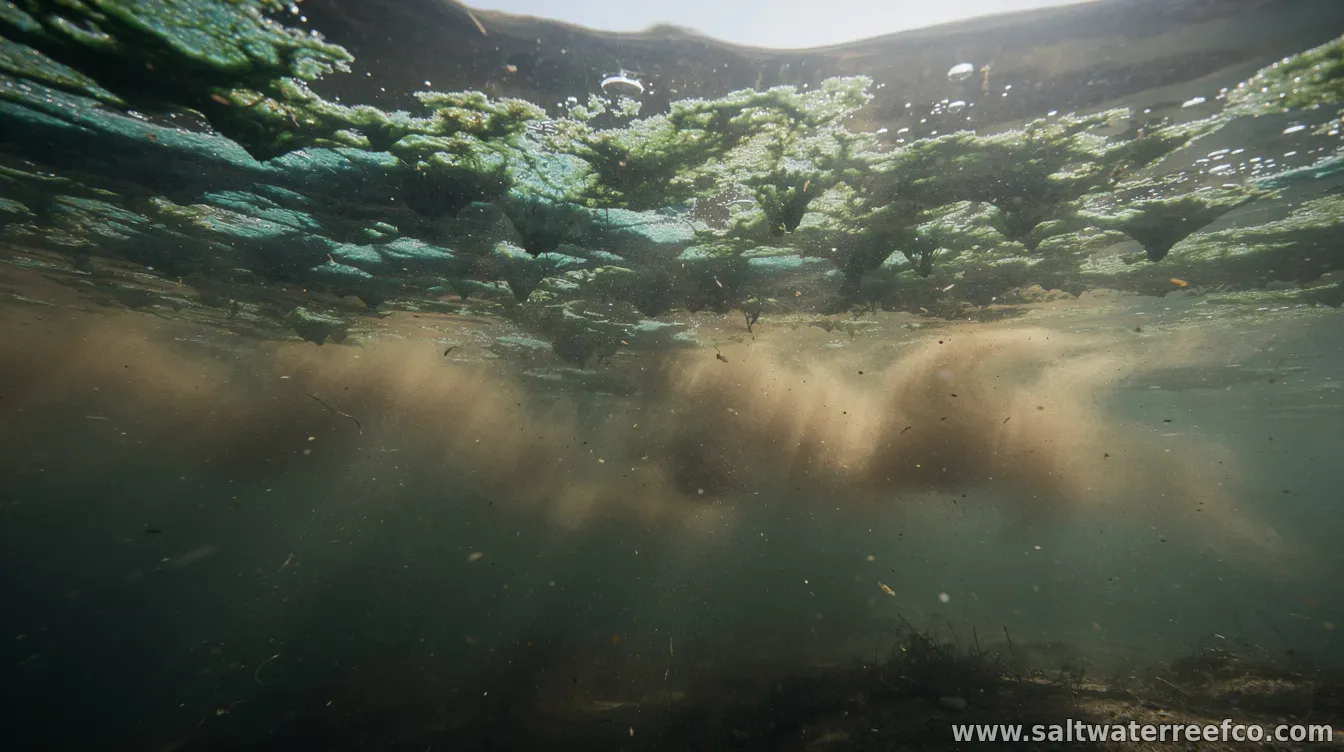
Cyanobacteria (often called “blue-green algae”) and diatom blooms are common signs of an ecosystem that has slipped out of balance. While both can appear as coating or haze, their triggers and typical fixes differ—so treating the symptoms without addressing root causes often leads to repeat outbreaks. In aquariums, small ponds, and even some managed waterways, these blooms frequently follow rapid changes: added fertilizer or runoff, increased feeding, warmer temperatures, stagnant water, or a shift in light intensity. Diatoms are also especially common in new or recently restarted tanks where silicate levels and early-stage biology are still stabilizing. Why cyanobacteria take overCyanobacteria can thrive when nutrients—particularly phosphorus, and sometimes nitrogen—build up faster than the system can absorb them. They also tend to gain an advantage in low-competition conditions, such as when overall grazing is limited or when water movement is weak and sediments accumulate. Bloom conditions are often supported by prolonged warm weather and stable water columns. In outdoor settings, nutrient-rich runoff and disturbed sediments can accelerate growth; in indoor systems, overfeeding and insufficient nutrient export are frequent contributors. What drives diatom bloomsDiatoms are algae with silica-based cell walls, and their appearance is commonly linked to available silicates. New tanks and systems recently exposed to source water with higher silicate content often see diatom “dust” or brown films as the microbial community establishes. Diatom blooms can also be fed by early-stage nutrient dynamics—especially when dissolved organics are elevated. As the system matures and grazers and beneficial biofilms stabilize, diatoms usually diminish without extreme intervention. Immediate steps that reduce both bloomsAcross most settings, the most effective strategy is to improve water quality while reducing the inputs that fuel algae. Start by testing and then targeting nutrients and stability rather than relying solely on chemical treatments.
Targeted approaches (so you don’t fight the wrong enemy)For cyanobacteria, many successful interventions focus on limiting phosphorus and improving oxygenation and flow. If the bloom is associated with sediment disturbance, carefully removing affected material and preventing further resuspension can help. In some ecosystems, rebalancing grazing pressure and boosting competing algae or beneficial microbes can reduce recurrence. For diatoms, the emphasis is usually on silicate availability and system maturation. In aquariums, using appropriate source water, improving biological filtration, and maintaining stable light and nutrient levels can speed the transition away from diatom dominance. When to seek expert supportSome cyanobacteria blooms can produce toxins under certain conditions, especially in outdoor waters. If you’re dealing with a pond, creek, or larger waterbody—or if animals or people are at risk—contact local environmental authorities or qualified water-quality professionals. In aquariums, persistent and escalating cyanobacteria despite basic corrections may indicate hidden nutrient sources or flow/oxygen problems that warrant a deeper diagnostic. In most cases, treating cyanobacteria and diatom blooms as signals—rather than isolated “algae problems”—yields the fastest path to clarity. With consistent testing, targeted nutrient management, and improved circulation, systems typically move toward stability and fewer recurring blooms. |
|
|
Next & Previous posts