0:41 AM Dosing Systems Explained: Two-Part, Calcium Reactor, and Balling |
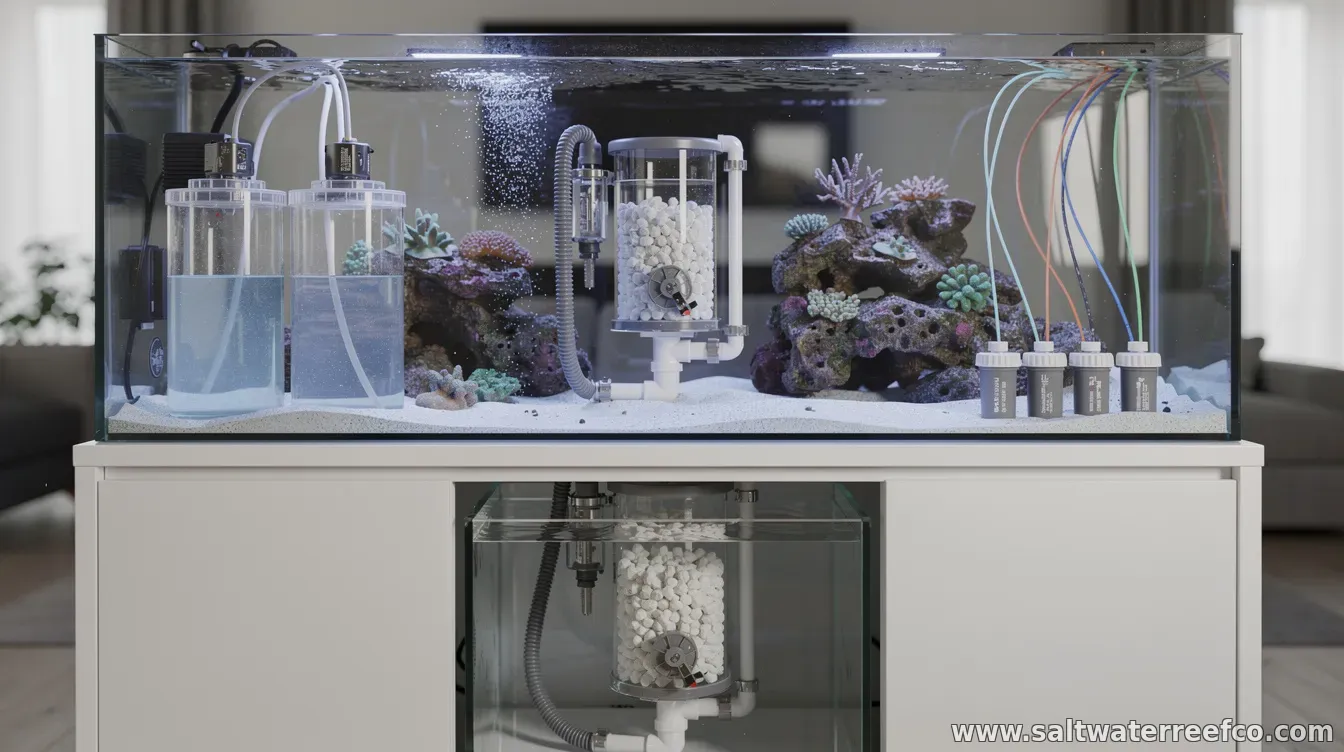
Maintaining balanced calcium and alkalinity is a cornerstone of reef tank stability, especially in systems with fast-growing corals or high-demand livestock. While many approaches exist, three methods show up most often in hobbyist setups: two-part dosing, calcium reactors, and balling. Though they all target the same chemical goal—supporting coral calcification—they differ in how they deliver ions, how they’re monitored, and how much automation (or manual work) they require. Two-part dosing: precise and widely usedTwo-part dosing splits key supplements into two liquids—commonly a calcium solution and an alkalinity solution—then adds them to the aquarium via a dosing pump. Because each part is dosed separately, aquarists can fine-tune the balance between calcium and alkalinity based on measured consumption. In practice, users typically test regularly (often using reliable kits) and adjust the pump schedules as demand changes. Two-part methods are popular because they’re straightforward, modular, and can be scaled from smaller to larger systems. Calcium reactor: automated, continuous media-driven dosingA calcium reactor uses media (such as aragonite media) that dissolves under controlled conditions. A regulator lowers the pH inside the reactor, and CO2 is injected to maintain that environment. As the media dissolves, it releases calcium and carbonate-related alkalinity into a recirculating chamber. The resulting “effluent” is then added to the tank, typically alongside a method to manage system pH and maintain stable alkalinity. Because the reactor can operate continuously, it appeals to aquarists who want less frequent manual adjustments, especially as tank demand grows. However, calibration and tuning matter: CO2 control, effluent rate, and reactor conditions influence stability. Users also need to watch for side effects such as elevated nutrients or pH swings if the setup is poorly managed. Balling method: balanced supplementation without a reactorThe balling method is another supplementation approach designed to maintain calcium and alkalinity while addressing salinity consistency. Variations exist, but the core idea is to add calcium and alkalinity supplements in a controlled way while compensating for changing salt levels caused by dosing. Some balling systems separate components into multiple solutions (for example, calcium, alkalinity/bicarbonate/carbonate, and a “salinity” component). This structure aims to keep major parameters from drifting as consumption continues. Like two-part dosing, balling relies on measurement and dosing adjustments, but it’s often organized to reduce the need for frequent salt corrections. Choosing the right system: stability, labor, and monitoringNo single method is universally best; the “right” choice depends on how you manage parameters and how your tank consumes them. When comparing options, aquarists generally weigh three factors: required monitoring, dosing stability, and operational complexity.
Whichever approach you use, the key is maintaining stable targets rather than chasing rapid swings. Start with a conservative dosing plan, confirm your baseline with tests, and make incremental adjustments as your tank’s consumption becomes clearer. As demand changes—through coral growth, lighting upgrades, or livestock additions—dosing needs typically evolve. The long-term success of all three methods comes down to matching supplementation to real consumption and keeping your monitoring routine consistent. |
|
|
Next & Previous posts