1:11 AM How to Control Algae in a Saltwater Tank (No Chemicals) |
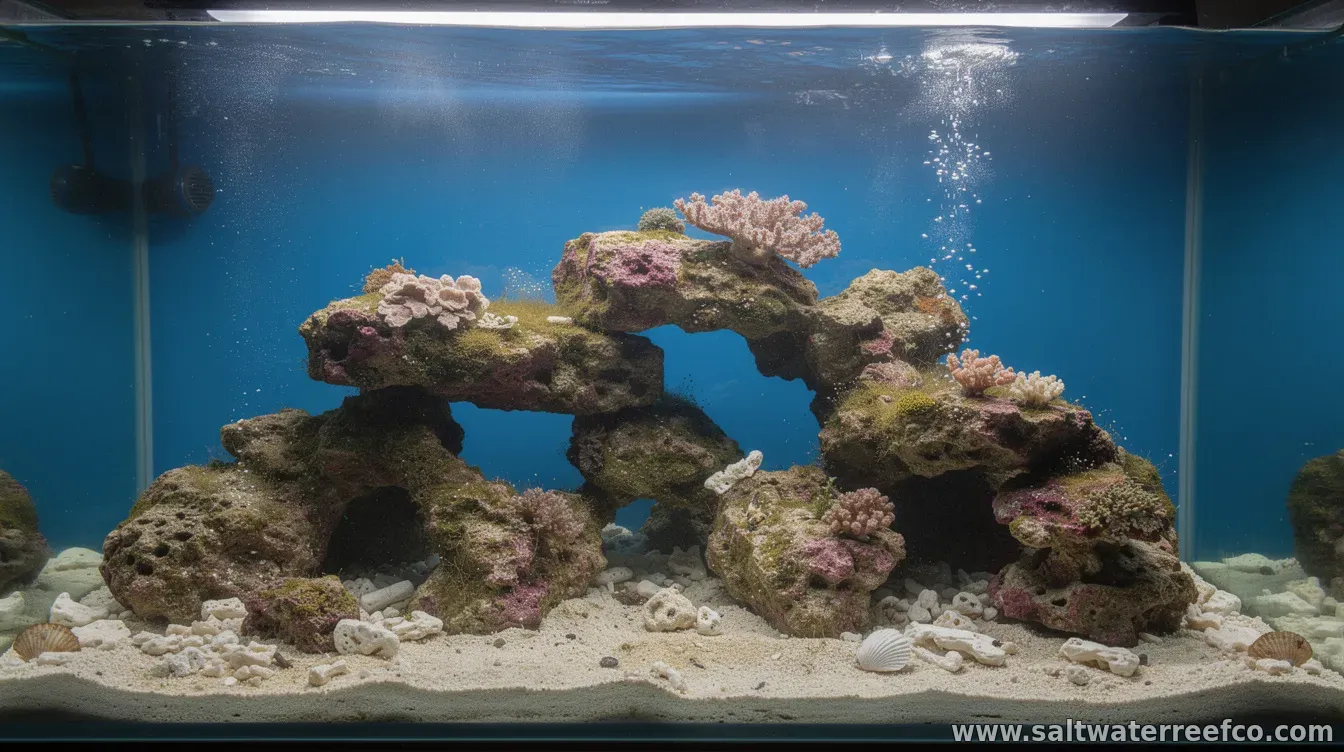
Algae problems are one of the most common headaches for saltwater aquarium keepers. The good news: you can often control algae without chemicals by correcting the root causes—typically excess nutrients, too much light, weak water movement, and poor routine maintenance. “Chemical” algaecides may appear convenient, but they can mask underlying imbalances and create new issues. A no-chemical approach focuses on making your tank less favorable for algae while supporting stable conditions for corals and beneficial organisms. Start with light control (the fastest, safest lever)Most algae growth is strongly tied to available light. Reduce your display’s photoperiod and ensure lighting intensity is appropriate for what you keep. Practical steps include running lights for a consistent schedule (often 6–8 hours for tanks that don’t require heavy light), avoiding direct sunlight exposure, and using a timer to prevent accidental over-illumination. If you keep photosynthetic organisms like corals, adjust cautiously—many algae blooms happen when light is high but nutrients are not balanced for the system. Lower nutrients: feed less, export moreAlgae typically thrives on dissolved nutrients such as nitrate and phosphate. You can reduce these naturally by dialing in feeding and improving nutrient export. Consider feeding smaller portions and removing uneaten food quickly. Use high-quality food and avoid overstocking. Pair this with effective export methods like regular water changes and mechanical filtration (to remove particulates before they break down into nutrients). Upgrade filtration and water flowLow flow zones allow detritus and biofilms to accumulate—conditions algae can exploit. Ensure adequate circulation so waste doesn’t settle and organics don’t linger. Also, keep your equipment clean. If filters get clogged, they can become nutrient sources rather than nutrient removers. Maintain pumps and powerheads so flow remains strong and consistent across the tank. Build algae competition: grazers and refugesA sustainable approach often includes organisms that naturally consume algae. Depending on your tank type (reef vs. fish-only), suitable grazers can help keep nuisance growth in check. Additionally, a refugium with macroalgae (such as chaetomorpha) can act as a “nutrient sink.” By growing desirable algae in a controlled area, you can reduce nutrients available to nuisance species in the display. This should be paired with good light scheduling for the refugium and regular harvesting of macroalgae.
Watch for the real cause: imbalance and “new tank” effectsAlgae outbreaks are especially common after tank setup or after major changes (new lighting, new rock, equipment upgrades, changes in feeding). If the tank is still maturing, beneficial bacterial populations and algae competitors may not yet be established, allowing opportunistic growth. In that case, the best “no-chemical” strategy is disciplined stability: consistent feeding, reliable filtration, and controlled lighting while your biological system catches up. By focusing on light, nutrients, flow, and natural nutrient export, you can control algae in a saltwater tank without chemicals. The most effective plan is the one you can sustain: measure, adjust gradually, and keep up maintenance so algae doesn’t regain the advantage. |
|
|
Next & Previous posts