1:53 AM Home Aquarium Setup: Key Checks for Safety |
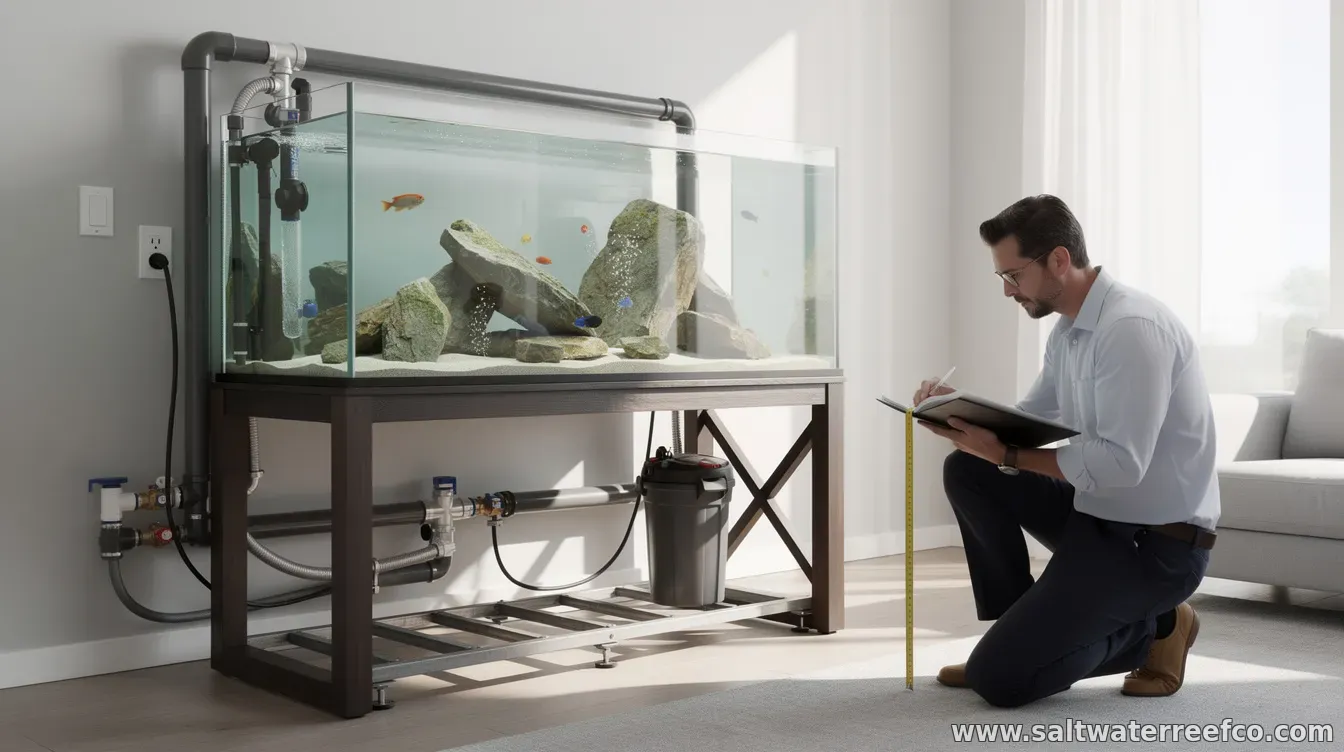
Setting up a home aquarium can look simple—pick a tank, add water, and start stocking. But the most important work often happens before the first drop of water goes in. Weight, plumbing, and insurance considerations can determine whether your setup is safe, leak-resistant, and financially protected. This guide outlines the key items to evaluate before setup so you can choose the right location, install correctly, and reduce the chances of structural or water damage. 1) Floor load: confirm the space can handle the tankWater is heavy, and a full aquarium adds weight not only from the water but also from the stand, substrate, rocks, and equipment. The tank’s total load should be considered as you plan placement and flooring support. As a general approach, calculate the tank’s water weight (water volume in liters is roughly 1 kg per liter), then add the weight of the stand and hardscape. Pay close attention to where the tank sits. Floors are not uniform: joists, beams, and load-bearing walls affect how weight is distributed. If you’re planning a larger tank—especially on an upper floor—consult a structural professional or building engineer, and consider adding support where needed (for example, ensuring the stand sits over structural members). Using a properly sized, level, and stable stand also matters; uneven support can stress the aquarium bottom. 2) Plumbing and drainage: design for spills and maintenanceMost aquarium problems at home relate to water flow—how you fill, remove water, and handle accidental leaks. Before setup, plan your plumbing route for fill and water changes. Many hobbyists use a nearby sink connection, a dedicated water line, or a controlled siphon system; the best choice depends on your space and water quality source. Consider how you will dispose of used tank water. If you do water changes frequently, identify a convenient drainage path that won’t create slip hazards or overspill onto finished floors. For setups where leaks would be disastrous, a drip tray or leak-detection approach can add a layer of protection. If your tank is located on a carpeted area or near electronics, address those risks early. 3) Insurance: check coverage before you stock the tankHomeowners and renters policies vary widely on water damage and accidental loss. Some policies may cover certain types of water-related incidents, while others may exclude damage caused by maintenance issues or gradual leaks. Before installing an aquarium, contact your insurer (or review your policy documents) and ask how aquarium-related water damage is handled. When you speak with an agent, be ready to describe your setup: tank size, location in the home, whether you use a stand with proper leveling, any leak mitigation (like trays or shutoff controls), and whether you have planned for overflow during filling. If there is an exclusion or limited coverage, you may need additional coverage or risk-reduction steps to align with your insurer’s requirements. 4) Location, leveling, and safety basicsThe tank’s placement affects both safety and long-term stability. Choose an area away from direct sunlight, heating vents, exterior doors, and high-traffic zones to reduce temperature swings and accidental bump risk. Keep in mind that equipment needs space for access—filters, heaters, protein skimmers (if used), and water testing supplies. Leveling is essential. Follow the manufacturer’s guidance, use a stable stand, and ensure the base is even. Even small irregularities can become problems over time. Finally, confirm that electrical equipment can operate safely in the chosen area: use appropriate outlets, ground-fault protection where required, and secure cords to prevent water exposure. Planning ahead for floor load, plumbing, and insurance turns aquarium setup from a gamble into a controlled project. By confirming structural capacity, mapping water flow and disposal, and clarifying coverage with your insurer, you reduce the likelihood of leaks, damage, and unexpected costs—so you can focus on building a healthy aquarium. |
|
|
Next & Previous posts