1:15 AM Saltwater Tank for Beginners: How to Start Right |
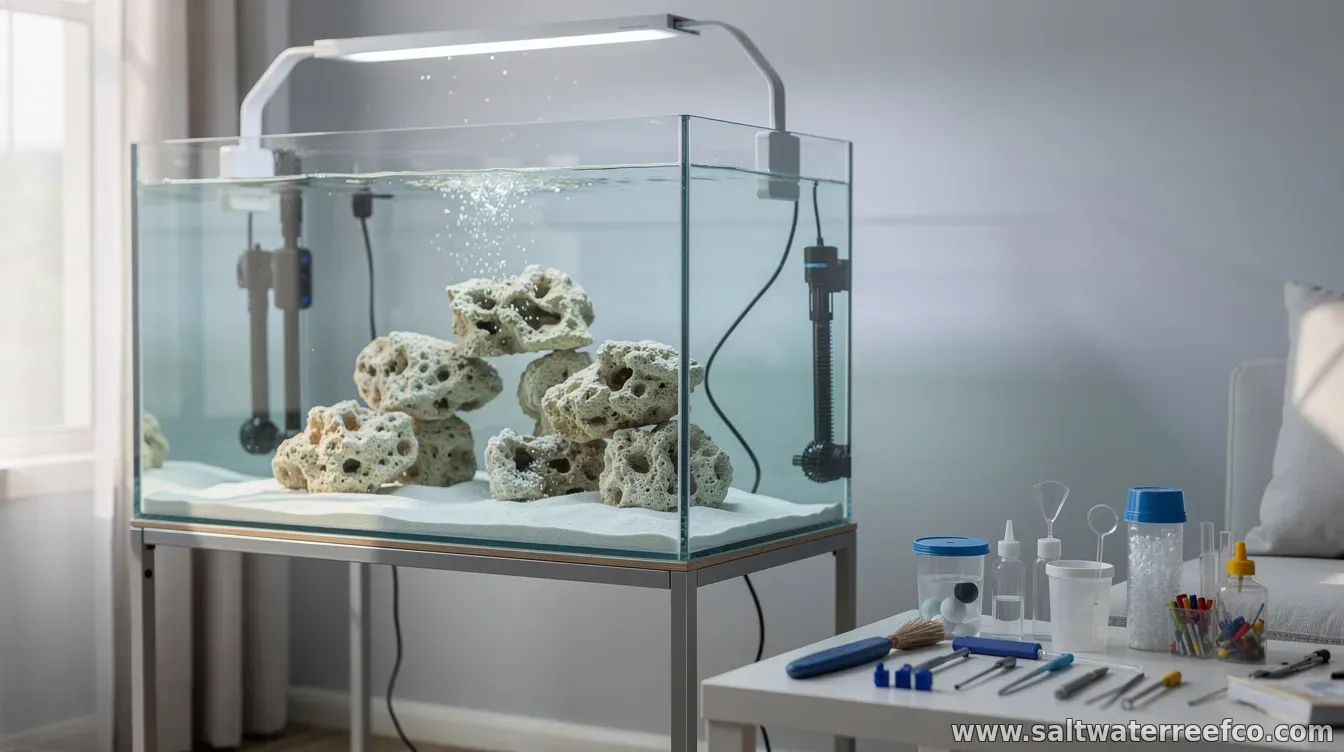
Starting a saltwater tank can be exciting—and overwhelming. The difference between a thriving aquarium and a frustrating failure is usually not “luck,” but preparation: picking the right setup, understanding the tank’s early chemistry, and following a reliable sequence for equipment and stocking. This guide walks through the essentials beginners need to start right, with practical choices that help reduce costly errors. 1) Pick the right tank size (and keep it simple)For beginners, bigger is generally easier because water parameters change more slowly. While “best” varies by space and budget, many first-time keepers do well with a mid-sized display tank rather than an extremely small one. Choose a tank layout you can access comfortably, and make sure you have enough room for lighting, powerheads, and a clear path for maintenance. Before buying livestock, plan where it will go—especially if you’re considering corals later. If you want to start with fish only, you still benefit from building the tank with future upgrades in mind. 2) Get the core equipment in placeA successful beginner setup usually includes stable filtration and strong water movement. Most systems also rely on protein skimming and a dependable heater (with a controller if possible) to keep temperature steady. Typical starter equipment to consider:
Quality matters more than novelty. Prioritize components that maintain stability and are easy to service. 3) Use the right salt mix and water sourceBegin with water that matches the chemistry you want, not tap water “as is.” Many aquarists use reverse osmosis/RO or RO/DI water to reduce unwanted minerals and contaminants. Then they add a commercial marine salt mix and target an appropriate salinity level. Measure salinity consistently with a calibrated refractometer or hydrometer, and mix salt thoroughly before adding it to the tank. This step prevents a lot of early stress on fish and invertebrates. 4) Cycle the tank before adding livestockThe single most important beginner step is cycling. Cycling establishes beneficial bacteria that convert harmful nitrogen compounds into less toxic forms. If you add animals too soon, you can trigger ammonia and nitrite spikes that quickly harm marine life. Most beginner cycles follow a process that monitors ammonia, nitrite, and nitrate until the system can handle the biological load. Plan to test regularly and wait through the full cycle rather than rushing. The goal is a stable tank with predictable results. 5) Start with hardy choices and stock graduallyOnce cycling is complete, avoid “all at once” stocking. Add organisms slowly so the biological filtration keeps up with waste production. Fish-only setups often start with relatively hardy species, while reef tanks require more careful planning for light, flow, and nutrient balance. When choosing livestock, think in terms of compatibility: adult size, temperament, feeding needs, and whether your current equipment supports their needs. If you’re new, begin with species that are forgiving and align with your tank’s capabilities. 6) Monitor water quality and handle nutrients wiselyBeginners sometimes focus on salinity and temperature while overlooking nutrient stability. Regular testing—especially early on—helps you understand how your tank is performing. Keep an eye on ammonia, nitrite, nitrate, salinity, temperature, and pH (and alkalinity/Calcium if you move into corals). Overfeeding is one of the fastest ways to destabilize a new saltwater aquarium. Feed sparingly, observe how quickly food is consumed, and adjust based on animal behavior. A calm, consistent feeding routine supports a healthier, more stable tank. As you gain experience, you can refine your approach to algae control and nutrient management using proven maintenance habits: regular water changes, careful cleaning of filters/media, and avoiding sudden changes in equipment or dosing. 7) Maintain a schedule, not a scrambleSuccessful aquariums are maintained consistently. Build a routine for water testing, top-offs, and scheduled water changes. Clean equipment as needed (without “resetting” the biological filter), and verify that heaters and pumps are functioning properly. A good beginner strategy is to keep a simple log: test results, water change dates, and any observed changes in livestock. Over time, patterns emerge that help you catch issues early. Starting a saltwater tank “right” comes down to patience and process. Choose a manageable setup, assemble the essential equipment, cycle thoroughly, stock slowly, and maintain consistently. With stable water and a sensible ramp-up, your tank is far more likely to become the long-term centerpiece you imagined. |
|
|
Next & Previous posts