1:14 AM Locally Grown Corals vs. Imported: Illinois Reef Push |
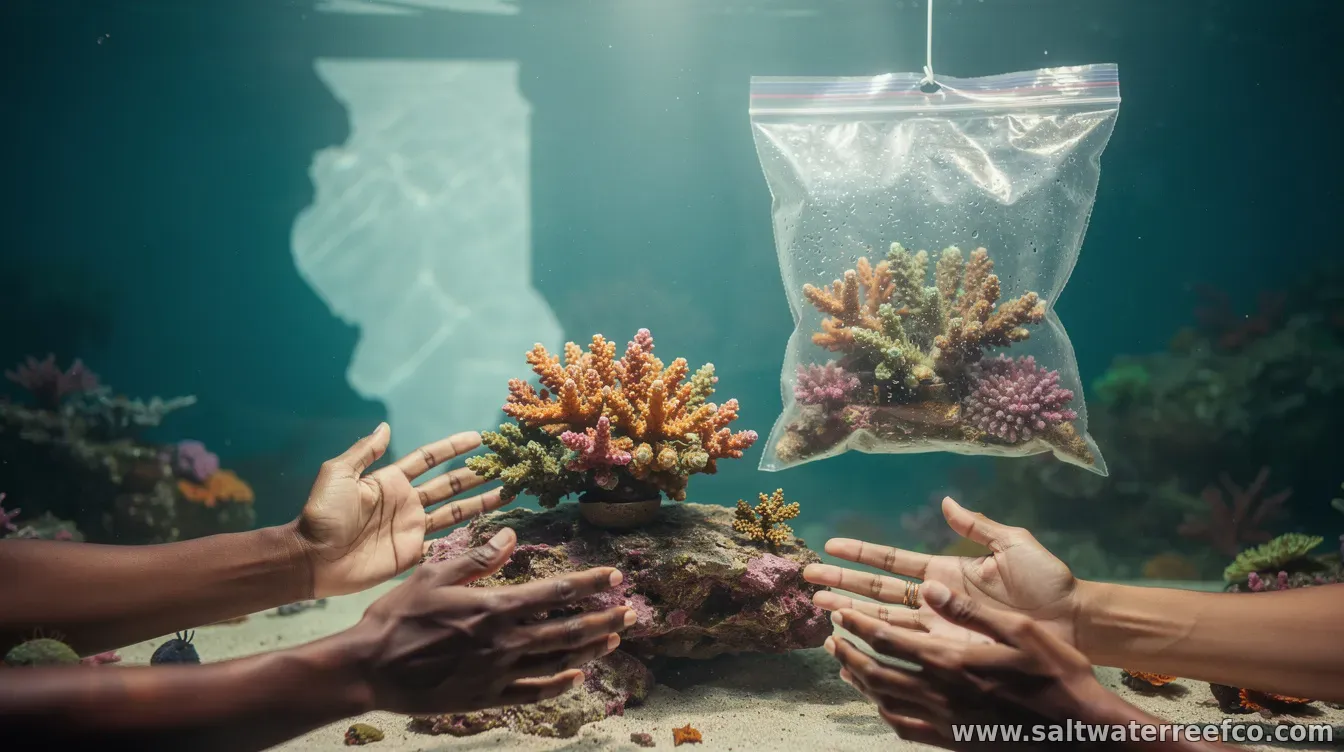
As the reef-keeping community in Illinois continues to grow, so does a key conversation among hobbyists, shop owners, and conservation-minded aquarists: should they prioritize locally grown corals—or continue purchasing imported specimens from overseas supply chains? The debate isn’t just about aesthetics and availability. Supporters of local coral production argue that it can improve animal welfare, reduce shipping-related stress, and help the Midwest build a more accountable, traceable supply for the aquarium trade. Why local corals are gaining attentionLocally grown corals are typically cultivated in regional systems, meaning the animals spend less time in transit and can be maintained under consistent water parameters from grow-out to retail. For many reef keepers, that translates into higher survivability after purchase and fewer “mystery” losses attributed to stress during long shipping routes. Local cultivation can also encourage better education at the point of sale. Illinois shop staff who work directly with regional growers may be more able to explain feeding habits, lighting requirements, and acclimation steps tailored to the coral’s current care environment. Imported corals: a wider selection with tradeoffsImported corals remain popular because they often offer greater variety—especially for less common species and specific color morphs. Importers may also have established relationships that help stabilize supply during peak demand. Still, advocates for Illinois-grown options point to the risks associated with longer logistics chains. Corals can experience temperature fluctuations, delays, and changes in water chemistry while moving from collection sites—or farms—through export and transport, before reaching U.S. retailers. Even when animals are healthy at arrival, stress from transit can show up later in a home aquarium, complicating acclimation for hobbyists who are still dialing in stability in temperature, flow, and nutrient levels. Ecosystem impact and responsibilityAnother factor in the discussion is environmental stewardship. Reef keepers increasingly want assurance that the corals they purchase are sourced and propagated responsibly, with clear documentation and best practices for minimizing harm to wild populations. Local growers often emphasize controlled propagation methods and more transparent handling because their production is geographically closer and easier for retailers and community partners to verify. For buyers in Illinois, that can mean greater confidence in origin, and in the long-term ethics behind the trade. What Illinois buyers can do nextWhether hobbyists ultimately choose locally grown or imported corals, community advocates say the most effective step is careful purchasing. Checking retailer policies, requesting grow-out or origin details when available, and following robust acclimation procedures can reduce stress and improve survival—regardless of where the coral started. For Illinois’s reef community, the push toward local production is also a call to build capacity: supporting regional growers, sharing care outcomes, and encouraging stores to stock responsibly handled specimens. In a niche hobby where stability is everything, community-driven improvements may be the most durable “reef-friendly” growth strategy available. |
|
|
Next & Previous posts