0:28 AM Frag Tank Setup: How Coral Farms Grow Livestock |
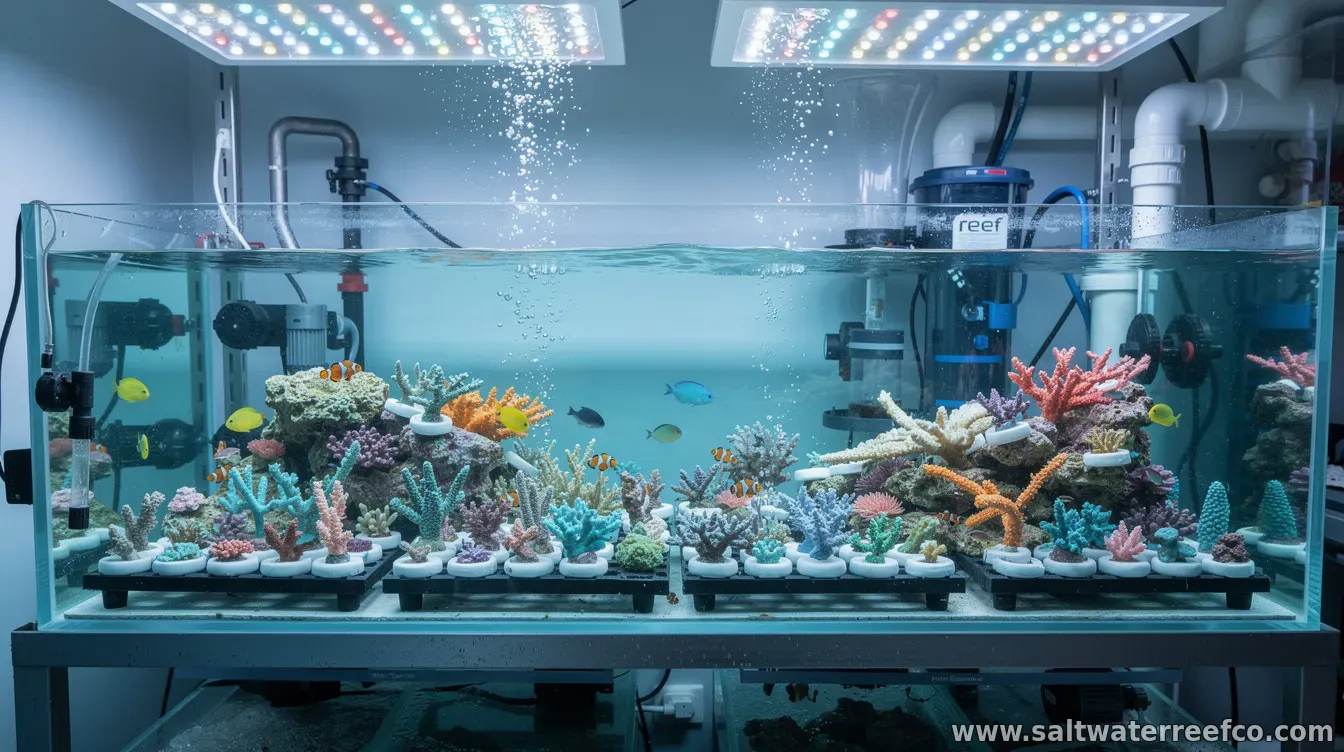
Across coastal restoration projects and the wider aquarium trade, coral farming has become a method for producing living reef organisms at scale. At the center of many operations is a frag tank setup—an organized, water-tight system designed to help small coral fragments recover quickly and grow reliably into mature colonies. While each farm uses its own equipment and husbandry routine, the goal is consistent: stabilize water chemistry, deliver the right light spectrum, and minimize stress during fragging and daily care. Done well, the tank becomes a nursery where “livestock” is grown from tiny pieces into healthy, sellable or transplant-ready corals. What a frag tank is built to doA frag tank is typically a dedicated grow-out area where corals are mounted to plugs, discs, or racks. Unlike display systems, frag tanks are designed for practicality and uniformity—making it easier to track growth, keep conditions steady, and separate colonies as they recover. Most systems also use physical organization—such as shelving, racks, or multiple compartments—to reduce contact between fragments and limit the spread of nuisance organisms. In commercial settings, segmentation can also help farmers manage different coral types that may prefer slightly different flow or feeding patterns. Core components: water, flow, and filtrationStable water quality is the foundation of any coral farming operation. Farms commonly run advanced filtration approaches—often a combination of mechanical filtration, protein skimming, and biological media—to remove waste and maintain beneficial bacteria that process nitrogen compounds. Flow matters as much as cleanliness. Gentle, consistent circulation helps corals exchange gases and shed detritus, while avoiding direct blasts that can tear tissue. Many setups use circulation pumps configured to create broad, indirect movement across frags rather than turbulent hotspots. Temperature control is another non-negotiable element. Reliable heating and cooling—along with monitoring—helps farmers keep growth steady and reduce stress-linked losses during warmer or cooler seasons. Lighting: matching coral needs for faster recoveryLighting is one of the biggest performance drivers in coral grow-out. Many frag tanks rely on programmable LEDs that can be tuned for intensity and spectrum. Because different species and morphs respond differently, farms often adjust light profiles to support both recovery (after fragging) and long-term tissue growth. Farm operators typically introduce frags to new lighting conditions gradually, using acclimation periods to reduce bleaching risk. Over time, they may fine-tune placement within the tank—moving colonies higher or lower on racks to match the light level they need. Handling, mounting, and stress reductionEven with ideal equipment, coral farming depends on low-stress husbandry. After fragging, corals are mounted in ways that protect exposed tissue and prevent fragments from drifting into each other. Farmers also pay attention to when pieces are moved—allowing time for the first signs of healing before increasing flow or changing lighting. Because farms often produce multiple “batches,” record-keeping becomes part of quality control. Tracking frag dates, species, growth rates, and survival helps operators refine their frag tank practices and identify which conditions lead to better outcomes. Nutrient balance and feeding (when appropriate)Corals rely on a mix of light-driven energy and, in many species, feeding capture (especially when conditions or species traits call for it). Farms aim for nutrient levels that support growth without encouraging algae blooms or degrading water clarity. Some operations use targeted feeding for certain corals, while others focus more heavily on stable water chemistry and natural plankton contributions. In both cases, dosing decisions are typically paired with regular testing to avoid swings that can harm sensitive fragments. Biosecurity and contamination controlCoral livestock can be impacted by pests, pathogens, and invasive organisms. Frag tank setups often include steps to reduce risk—such as isolating new arrivals, quarantining incoming frags, cleaning tools between colonies, and controlling how water is shared across systems. Many farms also monitor for early warning signs, because small issues can escalate quickly in high-density grow-out environments. Rapid response—such as adjusting flow, improving filtration, or isolating affected colonies—helps protect the rest of the batch. As coral farming matures, frag tank setups are increasingly treated as controlled production environments rather than simple aquariums. By combining consistent water quality, carefully managed lighting, thoughtful mounting and handling, and practical biosecurity, farms can grow coral livestock more predictably—supporting both conservation efforts and the demand for sustainably produced reef organisms. |
|
|
Next & Previous posts