8:44 AM Jellyfish Aquarium: Unique Requirements and Setup Challenges |
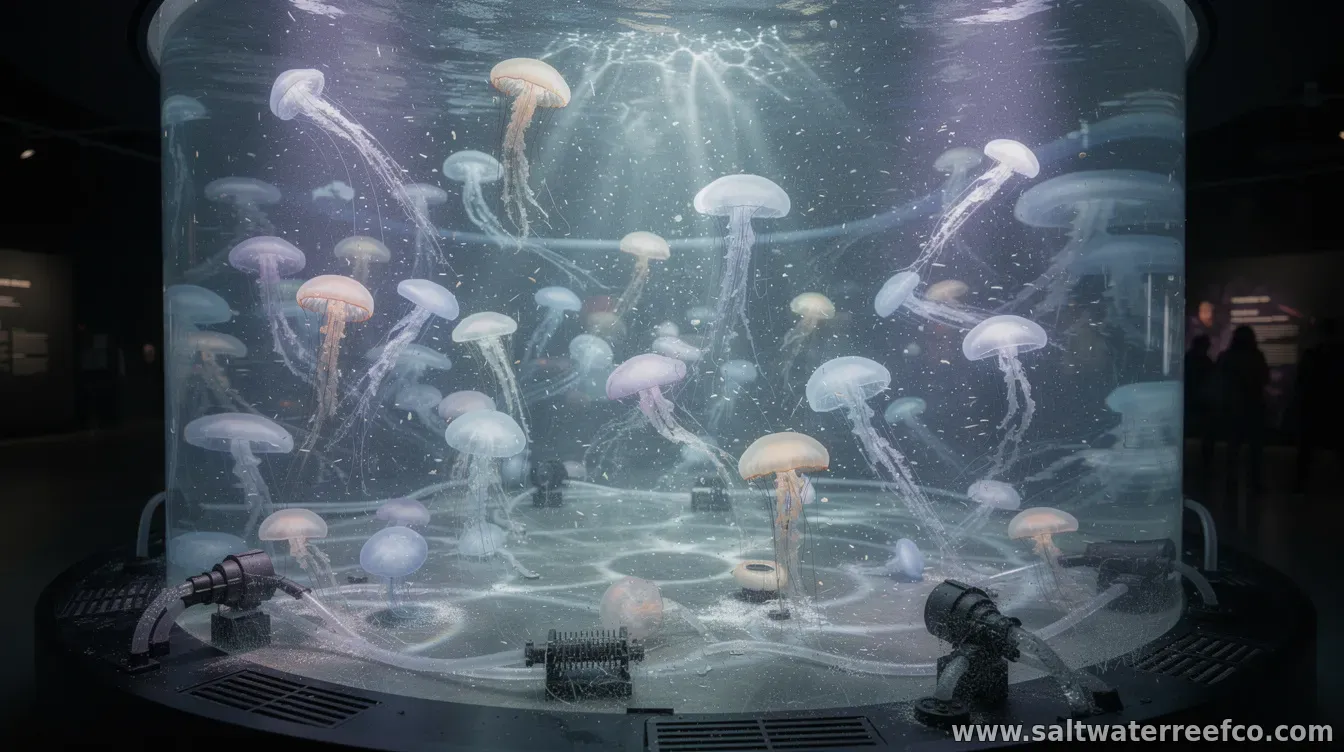
Jellyfish aquariums have become a popular attraction in homes and public exhibits, but they come with demands that differ sharply from conventional fish tanks. Because jellyfish are delicate, they require carefully engineered water movement, stable chemistry, and practical design choices that reduce physical contact and uneven currents. Unlike many aquarium animals, jellyfish cannot be “adapted” to ordinary glass tank flow. Their tissue can be damaged by turbulence, sharp edges, or surfaces that trap them, so the layout and plumbing of the system matter as much as the water itself. Water quality must be exceptionally consistentMost setup challenges begin with maintaining clean, stable water. Jellyfish often react negatively to fluctuations in temperature, salinity, and nutrient levels, and they can be harmed by lingering organic waste. That typically means running a robust filtration and monitoring routine from day one, rather than “waiting and seeing.” Many keepers also emphasize the importance of appropriate salinity for the species in question, along with low levels of particulates. Because jellyfish can ingest or be affected by suspended matter, systems are usually designed to minimize detritus buildup and dead zones. Specialized circulation helps prevent damageA central requirement is creating gentle, controlled flow that keeps jellyfish suspended without letting them collide with surfaces. This is why many jellyfish tanks use rounded bottoms and circulation patterns designed to keep animals evenly distributed in the water column. In practice, aquarists may need to experiment with pump placement, baffle design, or adjustable flow rates to find a balance—enough movement to prevent sinking, but not so much that jellyfish are battered by currents. Even small changes after cycling can affect how animals position themselves. Lighting is tailored to the jellyfish’s needsLighting requirements vary widely depending on whether the jellyfish species relies on symbiotic algae (common in some moon jelly variants) or is managed without that relationship. For species that depend on light, aquarists often need carefully controlled photoperiods to support healthy conditions without promoting unwanted algal growth. For non-dependent species, lighting decisions still influence stress behavior and overall tank productivity. The main challenge is matching light intensity and timing to the biology of the specific jellyfish, rather than using generic aquarium settings. Design details reduce trapping and surface contactCommon aquarium gear can create hidden hazards in a jellyfish tank. Standard outlets, intake screens, and rough surfaces may trap animals or create localized suction. Many setups therefore use smooth materials, covered intakes, and layouts that limit tight corners where jellyfish can become stuck. Filtration components also need to be configured thoughtfully so that strong draw doesn’t pull jellyfish into contact with hardware. Keeping the system “jellyfish-safe” can require modifications that aren’t typical for standard community tanks. Cycling and stocking require planningJellyfish tanks often demand long lead times because starting conditions must be stable before animals arrive. Aquarists typically cycle the system to establish biological balance and verify that water parameters remain within the target range. Rushing this step can lead to swings in ammonia, nitrite, and nitrate levels that are harder on jellyfish. Stocking is another planning challenge: jellyfish can be sensitive to crowding, and they may respond quickly to changes in water chemistry driven by feeding and waste. Many keepers prefer gradual adjustments and careful observation as the tank matures. Feeding is a variable that affects everything elseFeeding protocols can make or break early success. The wrong food size, feeding frequency, or quantity can increase nutrient load and raise particulate levels, which can stress jellyfish. Because jellyfish can be less forgiving than many aquarium animals, keepers frequently aim for consistency—feeding the right amounts while minimizing leftover food. In many systems, feeding practices are closely linked to filtration performance. If uneaten material accumulates, it can degrade water quality and worsen the “particulate problem,” which in turn increases risk to jellyfish health. Building a jellyfish aquarium is less about a single purchase and more about engineering the full environment—water chemistry, flow patterns, safety-focused design, and predictable husbandry. With careful planning and species-specific research, aquarists can overcome the most common setup hurdles and create conditions where jellyfish can thrive rather than merely survive. |
|
|
Next & Previous posts