6:31 AM Torch Coral Care Guide: What Helps It Thrive |
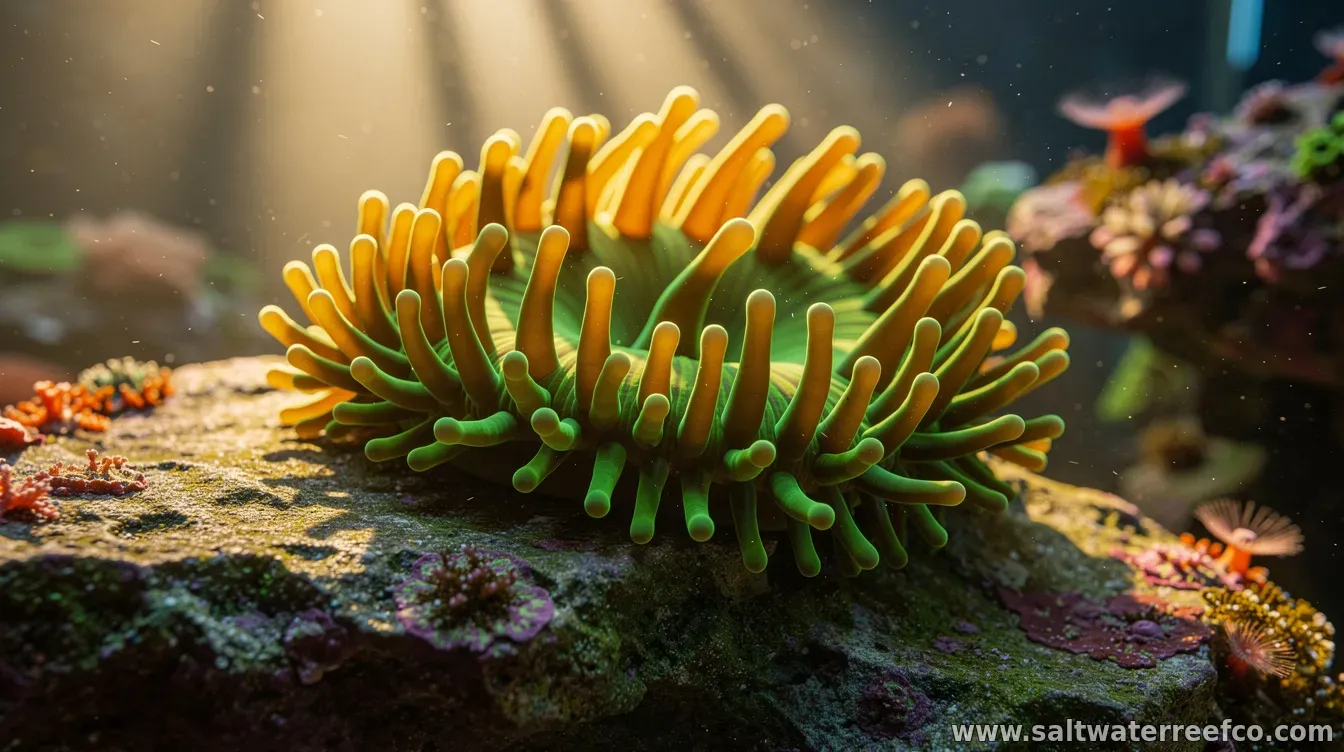
Torch coral (Euphyllia spp.) is prized in reef aquariums for its sweeping, tentacled “torches” and relatively forgiving nature—when the basics are dialed in. For hobbyists aiming for long-term growth, the focus should be on stability: consistent parameters, appropriate lighting, and flow that doesn’t blast the tissue. Water quality: stability beats quick fixesTorch coral thrives in clean, well-oxygenated water with low levels of dissolved waste. Keep nutrients and organics under control while avoiding drastic swings in chemistry. Reliable skimmer performance, regular water changes, and a mature filtration system are key factors that help prevent stress and keep the coral’s tissue looking full and expansive. Lighting: moderate to strong, but not harshMost torch corals do well under moderate reef lighting, especially when introduced gradually. Too little light can slow growth and reduce extension, while overly intense light can lead to bleaching or retracted tentacles. Many keepers start in a mid-to-lower flow zone and adjust placement over days to weeks, watching for fuller feeding response and consistent color. Flow: strong enough to clear debris, gentle enough to protectIn nature, torch corals benefit from currents that sweep away sediment and deliver nutrients. In aquariums, aim for directed, moderate-to-strong flow that moves detritus without constantly slamming the coral. If tentacles repeatedly whip violently or the tissue looks irritated, reduce turbulence or re-aim powerheads to create a smoother, more laminar pattern. Feeding: occasional target feeding can helpWhile torch coral can capture some nutrients from the water column, target feeding can support color and growth—especially in tanks with very low particulate food. Offer small, meaty foods like appropriately sized mysis or similar items using a feeding tool. Keep the amount modest and remove uneaten food if your system is sensitive to nutrient spikes. Tank placement: spacing prevents chemical and physical conflictsCompetition matters. Torch corals can sting neighboring corals, and they also release chemical signals that may stress other sessile animals. Provide ample space between colonies and avoid crowding. If you’re mixing corals in a reef display, plan a layout that reduces direct contact and considers how water flow will carry stinging cells. Watch for practical signs that your torch coral is acclimating well: expanded tentacles for extended periods, steady color under your lighting, and a consistent feeding response. If the coral repeatedly shrinks, loses color, or shows tissue recession, review flow direction, lighting intensity, and water quality stability before making multiple changes at once. By prioritizing stable conditions, correct flow, and thoughtful placement, torch coral keepers can create an environment where these showpiece LPS corals not only survive, but display vigorous extension and steady growth. Start with small adjustments, observe closely, and keep your reef’s routine consistent. |
|
|
Next & Previous posts