2:16 AM Reef Controllers Compared: Neptune Apex vs GHL Profilux |
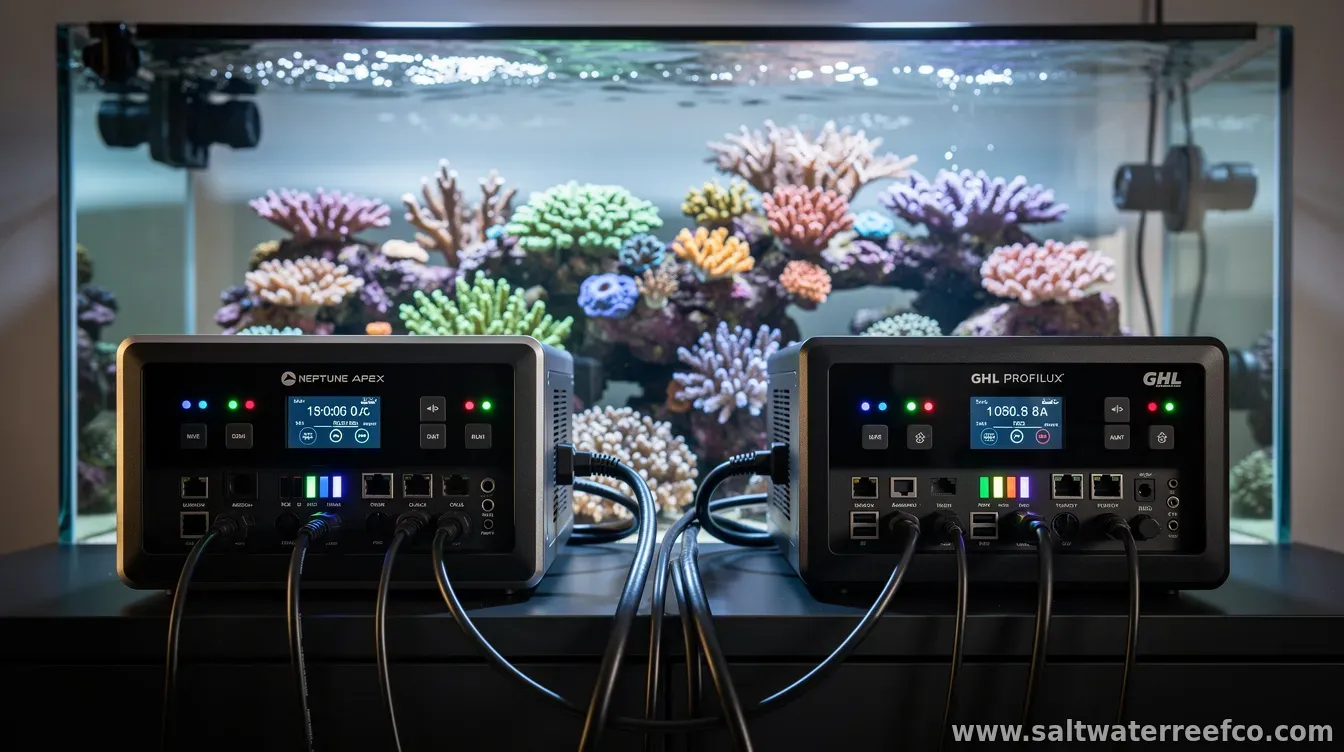
Reef aquarium controllers have become essential tools for maintaining stable temperature, salinity, nutrient balance, and water quality. Two of the most recognized options in the hobby—Neptune Systems Apex and GHL (German High Level) Profilux—offer broad feature sets, but they take different approaches to hardware ecosystems, expandability, and the overall user experience. Both platforms aim to reduce manual work while improving reliability through sensors, automated alerts, and programmed responses. The real decision often comes down to which ecosystem you prefer, how you plan to expand, and what level of control you want over advanced dosing and monitoring tasks. Core monitoring and automationAt a fundamentals level, both Apex and Profilux can monitor multiple parameters (such as temperature, salinity, pH, and ORP depending on modules and sensors used) and trigger automated actions. In practice, users commonly rely on these controllers for tasks like controlling heaters and chillers, managing return pump schedules, running skimmer and dosing logic, and sending alarms when conditions drift beyond set thresholds. Neptune Apex is widely known for its modular approach and strong app-based workflow, while GHL Profilux is often praised for its integration depth and polished control interface. The “best” choice depends on whether you value a broader third-party ecosystem around Neptune—or prioritize a more unified, end-to-end setup offered by GHL. Dosing and expansion ecosystemsBoth controllers support automated dosing and can coordinate multiple outlets. However, expandability can look different depending on your hardware plan. Apex users typically build their system around a combination of controller hardware plus a range of ecosystem components and accessories, while Profilux users may lean into GHL’s own ecosystem to keep setup and communication consistent across components. If your goal is a highly customized build—adding unusual sensors, additional outlets, or integrating devices from outside the controller’s main lineup—you may find Neptune’s breadth attractive. If you want a more standardized path where the control software, modules, and interfaces come from a single manufacturer ecosystem, Profilux can be appealing. Software experience and remote managementFor many reef keepers, the interface matters as much as the hardware. Both ecosystems offer remote monitoring and alerting so you can respond quickly to failures like stuck pumps, abnormal salinity swings, or overheating. Neptune Apex is often recognized for its established user base and the maturity of its community-supported workflows, while GHL Profilux is frequently described as having a more streamlined configuration experience once a system is set up correctly. In choosing between them, it’s worth considering how you like to configure automation. Some aquarists prefer visual programming and logic building with plenty of community references, while others want guided configuration and strong “out of the box” consistency across modules. Common reef use casesBoth controllers are commonly used for stability-driven automation: regulating heater/chiller output based on temperature, orchestrating lighting schedules, and running safe dosing routines that prevent overdosing or “runaway” behavior during abnormal sensor readings. Where they can diverge is in workflow preferences and the types of sensors/modules you plan to use long-term. If you anticipate evolving your system—adding new parameters, expanding dosing capacity, or integrating additional devices—choosing a platform with expansion options that match your future roadmap can help avoid costly rework. Bottom line: which controller fits your reef?Neptune Apex and GHL Profilux both deliver the core promise of reef controllers: automated monitoring, responsive control logic, and alerts that help prevent problems before they escalate. Neptune Apex may suit aquarists who want wide ecosystem support, extensive community knowledge, and flexible integration patterns. GHL Profilux may appeal more to reef keepers who prefer a cohesive hardware-software ecosystem and a highly integrated control experience. Before buying, map your planned tank setup: the parameters you care about today, the modules you may add later, and how you want remote monitoring and automation configuration to feel. The “right” controller is the one that best matches your current build and the upgrade path you’re most likely to take. |
|
|
Next & Previous posts