1:47 AM Aquariums in Offices and Restaurants: Benefits & Care |
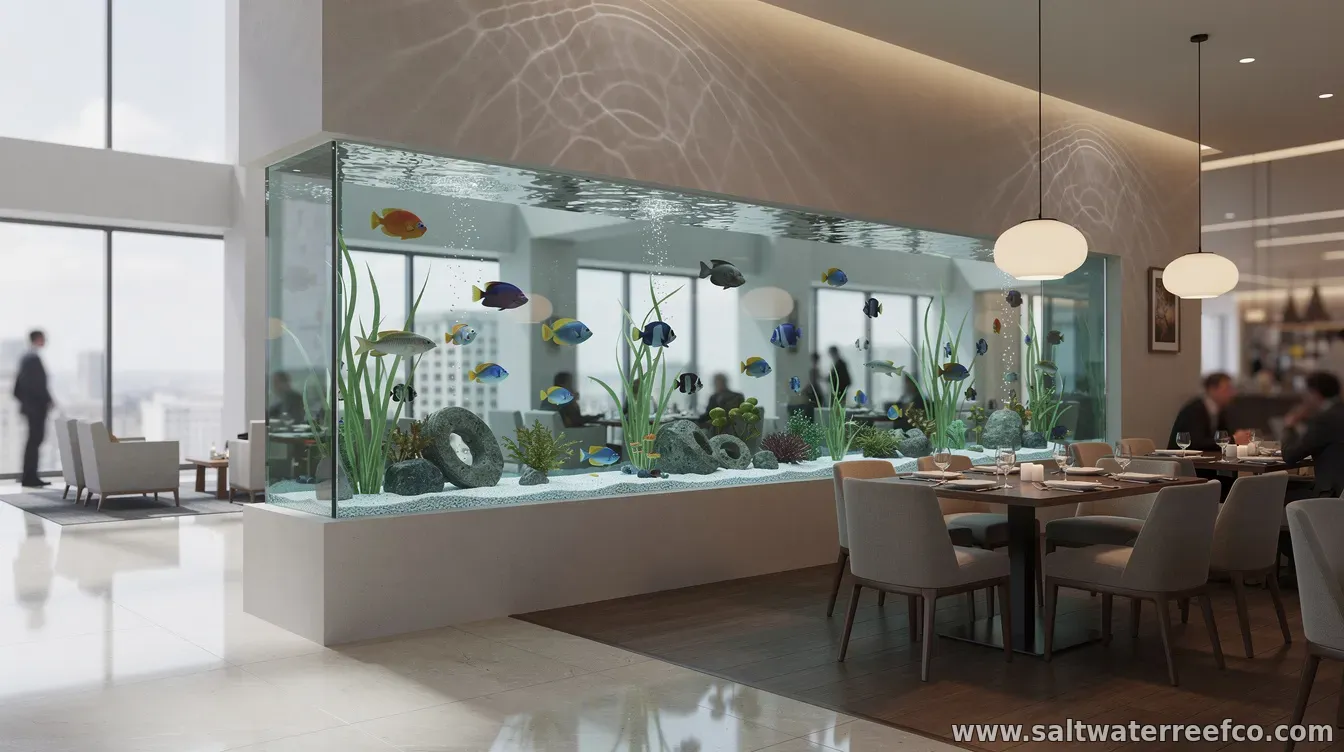
Aquariums are increasingly finding a place in workplaces and dining spaces—from modern reception areas to upscale restaurant lobbies. Supporters say a well-designed tank can soften the look of a busy environment, create a calming focal point, and even strengthen brand identity. Still, the appeal comes with responsibilities. Keeping fish healthy requires consistent water quality monitoring, appropriate equipment sizing, and a maintenance schedule that staff can realistically sustain—especially in locations where day-to-day oversight may be limited. Why aquariums work in offices and restaurantsIn offices, aquariums can serve as a low-stimulation visual break during long workdays. Research on “distraction and recovery” suggests that looking at natural scenes may help reduce perceived stress, which is one reason many companies have experimented with biophilic design elements. In restaurants, aquariums can function like a live feature display—drawing attention, improving waiting-area comfort, and offering a conversation starter that differentiates a space. When paired with good lighting and layout, a tank can also enhance the perceived cleanliness and hospitality of a venue. Key benefits to expectBeyond aesthetics, well-managed aquariums can deliver practical advantages:
Of course, benefits depend on execution. A neglected tank—cloudy water, algae overgrowth, or dead livestock—can create the opposite impression and raise hygiene concerns. Maintenance basics: what to plan forMaintenance starts with choosing the right system for the space. Tank size matters: larger volumes generally stabilize water parameters more effectively than small tanks. Equally important is correct filtration capacity and an oxygenation setup that matches the species and stocking level. Most aquarium failures in commercial settings come from predictable issues: inconsistent feeding, delayed water changes, temperature drift, or underestimating how quickly algae and waste build up. Establishing a simple routine helps prevent these problems. A practical care routine for busy locationsCommercial aquarium owners typically succeed by standardizing tasks and assigning clear responsibility. A basic schedule often includes regular water testing (for parameters like ammonia, nitrite, nitrate, and pH), partial water changes, filter media checks, and algae management. Feeding should be controlled—overfeeding is one of the fastest routes to poor water quality. Temperature monitoring is also critical. Restaurants and offices can experience daily temperature swings from HVAC schedules, door openings, and seasonal changes. Reliable heaters (or chilling solutions where needed) and thermometers that staff can easily read reduce risk. Choosing fish and design elementsLivestock selection should reflect the aquarium’s goals and the site’s maintenance capacity. Beginners often do better with hardy community fish and an environment designed to reduce stress. In a restaurant, where noise and foot traffic may be higher, selecting species that tolerate these conditions can help. Design choices—such as live or low-maintenance plants, appropriate substrate, and hiding spots—affect both aesthetics and fish welfare. A tank that looks good but compromises water quality is not sustainable; the best designs balance beauty with biological stability. When to bring in a professionalSome businesses start small and then expand once the routine is working. Others choose a professional service for initial setup and ongoing support, especially if staff turnover is common or the location has limited time for testing and troubleshooting. At minimum, a consultation during the planning stage can help determine tank size, filtration, lighting duration, stocking levels, and a feasible maintenance calendar. That upfront work usually saves money later by preventing livestock loss and costly equipment fixes. For offices and restaurants, an aquarium can be more than décor—it can become a living amenity that enhances the atmosphere. With realistic planning, consistent care, and equipment sized to the tank, businesses can keep aquariums healthy while enjoying the calm, visual impact they bring. |
|
|
Next & Previous posts