0:47 AM Office Aquarium Installation: Setup and Ongoing Care |
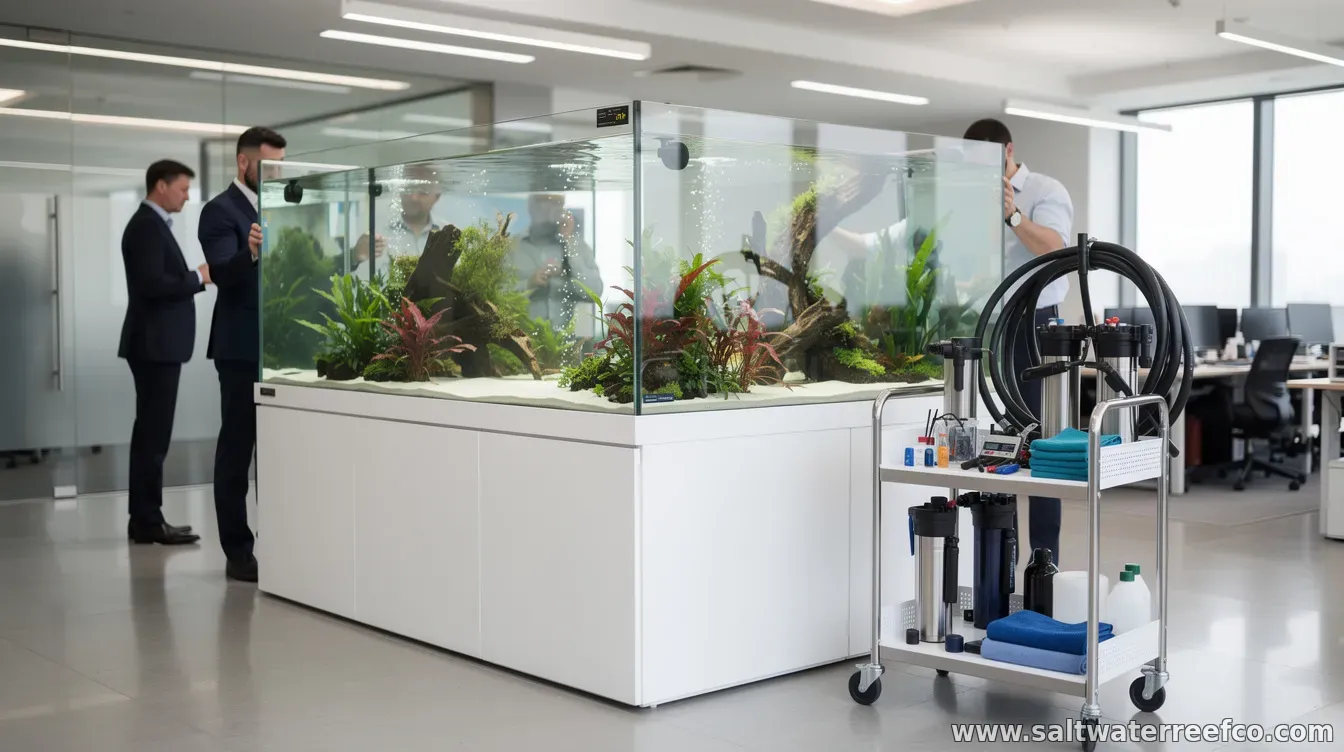
Interest in office aquariums has grown beyond aesthetics. Businesses increasingly want calm, engaging displays that can improve employee morale and client experience—while staying reliable, safe, and easy to manage. The key is a professional installation process and an ongoing maintenance plan tailored to the space and the species being kept. 1) Site assessment before the first tank is installedProfessional installs begin with a walk-through of the office area. Technicians evaluate the tank location for structural suitability, access for water and power lines, lighting conditions, and how foot traffic may affect daily stability. Noise considerations, drain placement, ventilation, and visibility from common areas are also reviewed to ensure the aquarium fits both operational and workplace needs. 2) Aquarium layout, plumbing, and power planningOnce the site is approved, the installation team sets up the equipment in a way that supports consistent water parameters. This includes proper filtration capacity, secure power routing with protected outlets, and plumbing designed to simplify routine service. Cable management and safe placement of heaters and pumps are emphasized so the system remains tidy and low-risk for day-to-day office life. Tank placement is also calibrated for long-term stability. Even small environmental factors—like proximity to direct sunlight or HVAC drafts—can influence algae growth and temperature consistency. Installers account for these variables during planning to reduce maintenance workload later. 3) Cycling and stocking for stable water qualityFor most business systems, the “setup” phase isn’t complete on installation day. Fish tanks typically require a biological cycling period so beneficial bacteria can establish and convert waste into safer compounds. Only after water chemistry stabilizes does stocking proceed, with species choices matched to tank size, compatibility, and the business’s maintenance expectations. Professional teams also establish baseline water targets early, documenting starting parameters so changes can be tracked over time. This approach reduces the risk of sudden swings that can stress aquatic life. Before the aquarium is fully operational, technicians run equipment tests—verifying filtration flow, heater operation, and circulation patterns. They also confirm that lighting schedules align with species needs and office routines, helping to balance visual clarity with healthier algae control. 4) Maintenance schedules and business-ready serviceTo keep an office aquarium looking its best, maintenance is planned like a recurring service. Teams typically include periodic filter servicing (at the right intervals to avoid disrupting beneficial bacteria), controlled water changes, and algae management that doesn’t rely on harsh chemicals. Water testing is performed on a consistent cadence to monitor key factors like ammonia, nitrite, nitrate, pH, and temperature. Service plans are often customized by business schedule—weekly, biweekly, or monthly visits depending on tank size, stocking density, and whether the office staff wants support. Many providers also offer emergency check-ins for equipment failures, ensuring the display doesn’t become a liability when something mechanical goes wrong. Practical support also includes staff guidance: what not to overfeed, how to handle minor appearance issues, and when to contact the provider. Clear communication helps prevent common problems that stem from well-meaning day-to-day adjustments. For a well-run office aquarium, success is measured by stability. With careful installation, thoughtful stocking, and consistent, data-driven maintenance, businesses can keep aquariums thriving—turning a distinctive feature into a dependable part of workplace culture. |
|
|
Next & Previous posts