0:24 AM Choosing Healthy Coral for Beginners: A Buyers Guide |
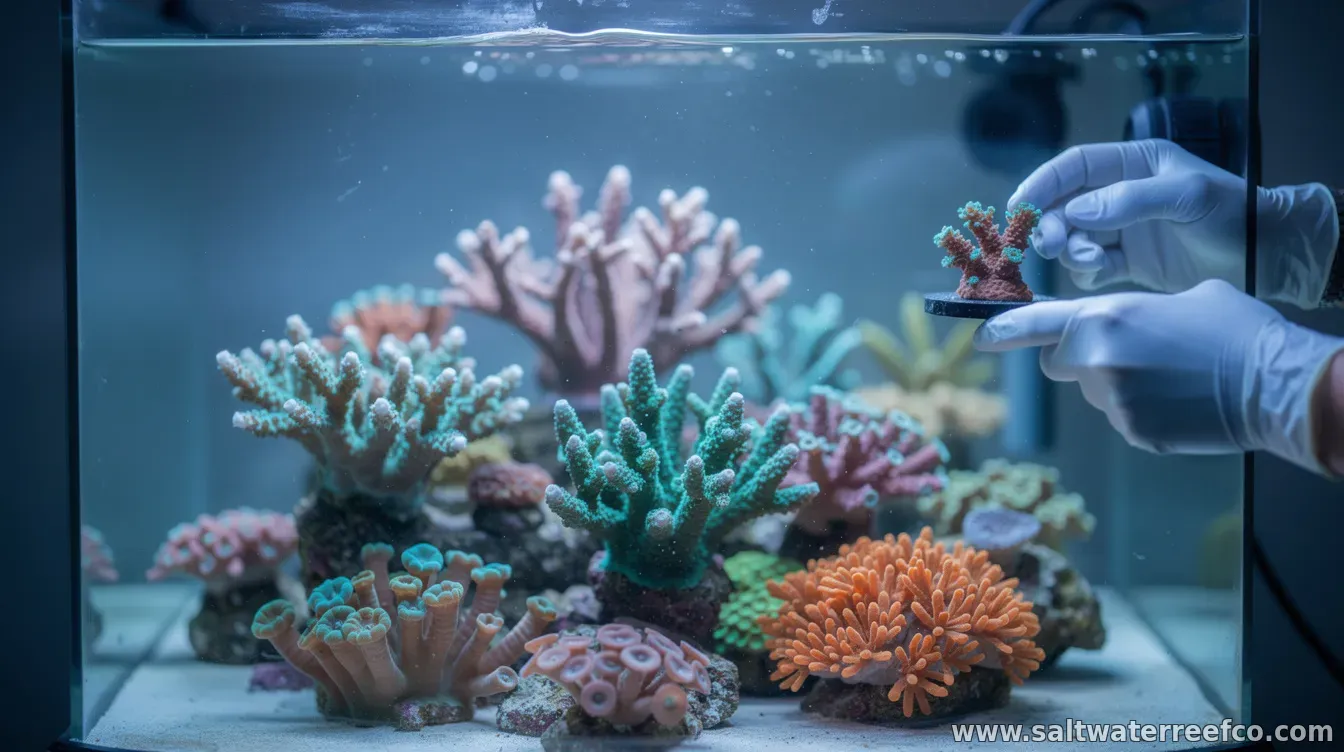
Starting a reef tank can be exciting—and a little intimidating. One of the biggest determinants of early success is simply choosing healthy coral. For beginners, the goal isn’t to buy rare pieces; it’s to select corals that show clear signs of good health and are likely to acclimate well to your new conditions. Before you shop, it helps to decide what kind of tank you’re running. Light, water flow, and stability differ between soft corals, LPS, SPS, and photosynthetic versus non-photosynthetic species. Healthy coral is necessary, but matching coral type to your lighting and flow will often matter just as much. What “healthy” looks like in personWhen you view a coral in store (or review photos and videos from an online seller), focus on observable tissue condition and behavior. Healthy corals typically have firm, intact tissue with no obvious melt, loss of color, or exposed skeleton (where that wouldn’t be normal for the species). For many corals, visible polyps and a “responsive” look—such as opening/expanding under the right lighting—are strong indicators. In practical terms, look for:
Common red flags to avoidEven if a coral is priced well or looks “okay” in a bright display tank, certain conditions are warning signs. If you see rapid tissue loss, black/brown areas that look like ongoing degradation, white patches that expand between images, or a coral that never shows normal behavior, treat it as a risk—especially for a new setup. Be cautious with:
Shipping and handling: what matters for beginnersFor online purchases, healthy coral selection is also about logistics. Ask (or look for) details on whether the coral was recently collected, how long it sat in a holding system, and how it was packed. Generally, shorter shipping windows and careful packaging reduce stress and improve the odds that tissue will survive the move. When reviewing listings, a short video can be more informative than a still photo. Watch for extension, normal polyp response, and any visible tissue condition. If the seller provides strong acclimation guidance and tank parameters, that’s a good sign of professionalism. Beginner-friendly coral choicesWhile “easy” varies by system, many beginners start with coral types that tolerate new-tank growing pains better—especially those that can handle moderate fluctuations. Soft corals and some hardy LPS are often selected early because they may recover faster from minor setbacks. Still, even beginner-friendly corals require stable temperature, appropriate salinity, good water quality, and correct light and flow. It’s also wise to buy fewer different corals at first. Adding multiple species at once increases variables and makes it harder to diagnose problems. A small number of carefully chosen corals helps you learn your tank’s rhythm. How to compare similar coralsIf two corals look similar, don’t just pick the prettier one. Compare how consistent their tissue looks across the entire frag or colony. Also consider their placement history: corals that have been in the same store display long enough to show stable behavior are often safer than very new arrivals. A quick checklist you can use at purchase time:
Finally, remember that even healthy corals can struggle during acclimation if water parameters aren’t aligned. Prioritize a stable, well-cycled tank and a careful acclimation process recommended by the seller. With a thoughtful selection and consistent care, your first corals can become the foundation of a thriving reef. |
|
|
Next & Previous posts