2:29 AM Algae in Reef Tanks: Causes and How to Fight It |
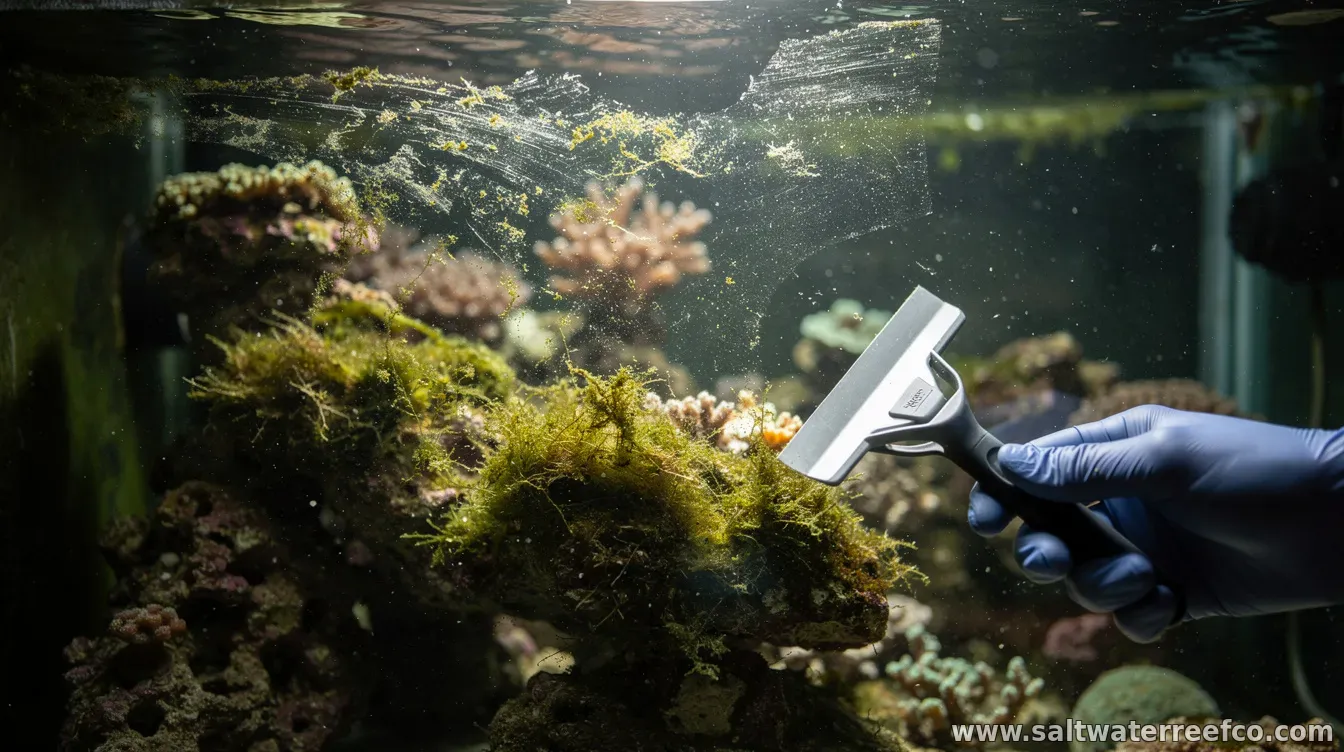
Algae is one of the most common challenges in reef keeping, and it’s rarely “random.” When it appears in a reef tank—whether as green film, brown diatoms, or more persistent nuisance growth—it often points to an underlying imbalance in nutrients, lighting, or system maintenance. While algae can be unsightly, it also provides clues. The key is to identify which type you’re dealing with and address the root cause, not just the visible patches. Why algae shows up: the usual driversMost algae problems trace back to available nutrients and favorable conditions. Even if your tank looks clean, small changes in feeding, rock curing, or hardware performance can shift the balance toward algae growth. Common contributors include elevated nitrate and phosphate, over-lighting (too many hours or too intense a spectrum), insufficient water movement in low-flow areas, and inconsistent water changes. In newer tanks, early-cycle conditions can also encourage opportunistic algae while beneficial microorganisms establish themselves. Nutrient imbalance: nitrates and phosphates matter togetherMany reef keepers focus on one nutrient at a time, but algae typically responds to both nitrate and phosphate. If either is chronically high—or if they rise after heavy feeding—the tank can become “fertile” for algae, especially when combined with abundant light. Testing trends over time is more useful than single readings. If nitrates and phosphates are elevated, your first step is usually to improve export and reduce input: trim feeding, siphon detritus, and ensure filtration and protein skimming are functioning effectively. Light and timing: reduce the window, refine the intensityLight is the engine for photosynthesis, so lighting habits strongly influence algae. Even high-quality lights can cause problems if the photoperiod is too long for your tank’s nutrient level or if intensity is higher than your corals can effectively compete with. In many cases, shortening the light cycle and avoiding “maxing out” brightness while nutrients are elevated can slow algae growth without harming livestock. Any change should be gradual to avoid stressing corals. Flow and cleaning: algae wins in stagnant cornersReef tanks often develop algae where detritus settles—behind rocks, under overhangs, or in zones with weak circulation. Improving random and direct flow helps lift particles so they can be exported by filtration, rather than allowing nutrients to accumulate on surfaces. At the same time, your cleanup crew must be suited to the algae type and supported with adequate grazing opportunities. If grazers are outcompeting starved rock, they’ll often struggle to keep up. Target the type: green hair, film algae, and diatom bloomsDifferent algae respond to different strategies. Diatoms (often brown and dusty) frequently appear in newly established tanks and can be fueled by silicates and early-cycle nutrient dynamics. Green film or hair algae can indicate persistent nitrate/phosphate availability and light exposure. Start by observing texture and timing. If growth accelerates during the light period, light and nutrients are likely central. If it clusters in low-flow pockets, flow and detritus control become priority. Practical ways to fight algae—without destabilizing your tankThe most reliable algae control plan is a combination of measurable nutrient management, better detritus control, and consistent husbandry. Avoid “all at once” solutions that may shock the system or cause sudden swings in water chemistry. Consider these actions as part of a balanced response:
If algae remains stubborn, some aquarists also use nutrient-binding approaches or controlled nutrient reduction methods. These should be done carefully and monitored with regular testing to avoid coral stress. When to escalate and what to watchAlgae “wins” when the tank conditions stay favorable to it. If your husbandry changes don’t translate into measurable improvement within a few weeks, widen the diagnosis. Check for equipment issues (underperforming skimmer, clogged pumps, salt creep reducing circulation), verify test accuracy, and confirm your maintenance schedule. Also track livestock health. If corals pale or stop feeding after adjustments, scale back the aggressiveness of nutrient or light changes and focus on stability. With reef tanks, consistency is the strategy. Algae control works best when you reduce the inputs it needs, limit the light that powers it, and remove the detritus where it takes hold—step by step, while keeping the ecosystem stable. |
|
|
Next & Previous posts