0:58 AM How Long Does It Take to Cycle a New Reef Aquarium? | |
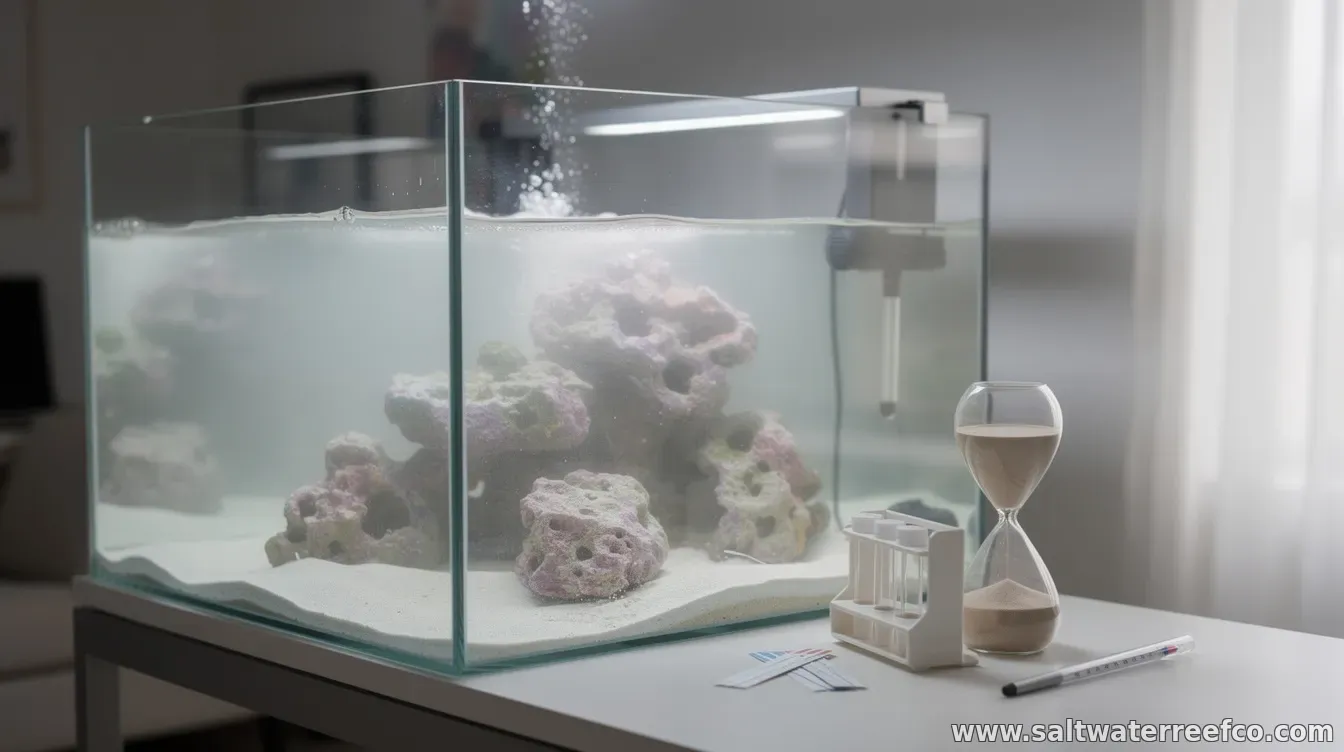
Setting up a new reef aquarium is exciting—but the most important step happens before you add fish or corals: cycling. Cycling builds stable populations of beneficial bacteria that convert toxic ammonia into nitrite and then into relatively harmless nitrate. How long it takes depends on your tank setup and the method you use to introduce bacteria. In most typical reef setups, you can expect cycling to take about 3 to 6 weeks. However, timelines commonly vary from 2–3 weeks (when starting materials are already highly seeded, such as with established live rock or strong bacterial inoculation) to 6–10+ weeks (when using mostly dry rock and needing more time for bacterial colonies to establish). What “cycling time” usually meansA cycle is generally considered complete when you can reliably process ammonia to near-zero and nitrite to near-zero within a day or two of dosing ammonia—without a prolonged or repeating nitrite spike. During the cycle, you’ll usually see a sequence: ammonia rises first, then nitrite rises, and finally nitrate becomes the main nitrogen compound accumulating in the water. Key factors that change the timelineSeveral variables can speed up or slow down bacterial growth and activity. Your cycle may move faster if there is already biological “seed” in the system and you can maintain conditions that support nitrifying bacteria.
Because reef aquariums tend to include more sensitive invertebrates than fish-only systems, many aquarists also plan extra buffer time even after “a cycle” appears complete—especially if corals will be added soon after. Common cycling stages and what to testFor many reef tank builds, the practical timeline aligns with measurable stages: First, ammonia will increase after you add an ammonia source (for fishless cycling) or when waste begins to accumulate in the system. Next, nitrite typically rises as the ammonia-processing bacteria establish. Finally, as the next group of bacteria grows, nitrite should begin dropping as nitrate starts becoming the dominant end product. Your goal is to reach a point where ammonia and nitrite can be brought to zero quickly after dosing. Testing frequency matters. Most guides recommend checking ammonia, nitrite, and nitrate regularly—often every few days during the middle of the cycle, and more often if readings fluctuate. A stable pattern over multiple tests is more meaningful than a single “good” result. When your reef tank is actually readyEven if the ammonia and nitrite readings look promising, it’s safest to confirm readiness using a simple “proof” approach. Many reef keepers consider the tank ready when:
After that, some hobbyists still wait additional time to ensure water chemistry is stable for corals—especially alkalinity, calcium, salinity, and overall consistency. Reef aquariums are less forgiving than many freshwater or hardy fish setups. Practical time estimates by methodWhile every tank is different, these rough ranges can help set expectations:
The best “schedule” is the one your test results support. A tank that hits the right ammonia and nitrite behavior early may be ready sooner, while a tank that hasn’t shown consistent nitrite processing may simply need more time. Bottom line: most new reef aquariums cycle in 3 to 6 weeks, but readiness depends on consistent chemistry, not a calendar. Test ammonia and nitrite through the cycle, confirm stability with repeat dosing if needed, and only then move on to stocking—preferably gradually—to help protect your reef inhabitants. | |
|
| |
Next & Previous posts