8:37 AM How to Cycle a New Reef Tank: Step-by-Step Guide | |
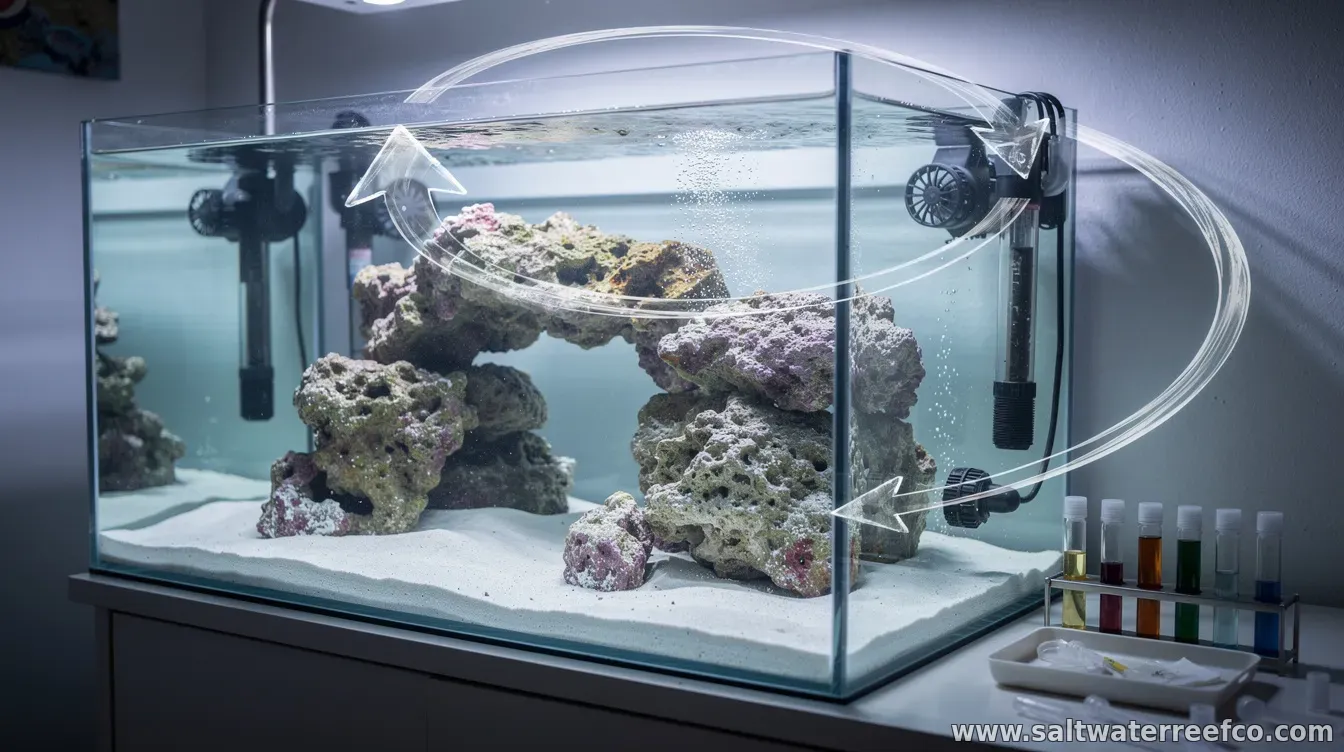
Setting up a reef tank is exciting, but the most important early step is cycling. “Cycling” is the process of growing beneficial bacteria that convert ammonia into nitrites and then into nitrates. Without that biological filter, adding fish or corals can quickly become dangerous because ammonia and nitrites can rise to toxic levels. What you’re trying to achieveA proper cycle typically follows this pattern: ammonia increases, nitrite increases (often after ammonia), and eventually both ammonia and nitrite drop to near zero as bacteria become established. Nitrates may rise during this time; nitrates are generally less immediately toxic than ammonia or nitrites, and they’re expected in a cycled tank. Step-by-step: cycling your reef tank1) Set up the tank hardware first. Install the aquarium, stand, heater, saltwater mixing, filtration method, and water movement. Use a functioning pump or powerhead for circulation and keep the heater stable (many reef setups aim around typical tropical temperatures). Make sure nothing interferes with flow in the rock and filter areas. 2) Create your saltwater and fill the tank. Mix saltwater to the appropriate salinity for your planned reef livestock. Dechlorinate freshwater if needed, and verify temperature once the water is warmed. At this stage, you can begin stable circulation and maintain consistent conditions. 3) Add biological substrate and/or live rock. The goal is to provide surfaces where beneficial bacteria can colonize. If you’re using live rock (or established media), cycling often speeds up. If you’re using dry rock, it can still cycle, but it may take longer as bacteria establish from scratch. 4) Choose a cycling method: “fishless” cycling is recommended. Most reef keepers prefer a fishless approach, adding an ammonia source so the tank develops bacteria without exposing animals to toxic spikes. The details vary by method, but the principle is the same: provide a controlled ammonia input and let bacteria do the conversions. 5) Start testing early and test consistently. Use a reliable liquid test kit for ammonia, nitrite, and nitrate. In many cases, you’ll test every few days during the early phase, then adjust frequency as values change. Record results so you can recognize the “ammonia → nitrite → nitrate” progression. 6) Feed the bacteria carefully (if your method requires it). If ammonia is falling too quickly before nitrite rises, you may need to re-dose (or otherwise maintain an ammonia source) to keep bacteria fed. Avoid overdoing it—rapid, uncontrolled spikes can extend the cycle and increase stress on the developing system. 7) Watch for the key cycle milestones. A typical cycle is considered established when ammonia and nitrite both read near zero, and the tank can process an added ammonia input without measurable ammonia/nitrite remaining after the expected timeframe. Nitrate readings becoming present is normal; they’re the endpoint product of the nitrogen cycle. 8) Confirm stability with a final “performance check.” Many successful cycles involve a confirmation step: you add a small, measured ammonia dose and retest after a set period. If ammonia and nitrite don’t spike again (or are quickly processed back to near zero), you’re likely ready for the next stage. 9) Reduce nuisance buildup and get ready for livestock. As the tank matures, you may see algae or bacterial blooms—this is often normal during early stages. Some aquarists perform partial water changes once the cycle is complete to help manage nitrates and improve water clarity. If you do water changes, match temperature and salinity closely and keep filtration running. 10) Add livestock slowly. Even after cycling, the system isn’t “instant mature.” Introduce fish (if using fish) in small numbers, and if you’re adding corals, start with hardy, easier-to-care-for species. Continue testing ammonia and nitrite during early stocking to ensure the tank remains stable. How long does reef tank cycling take?Cycle length varies widely based on temperature, rock type (live vs. dry), biofilter size, and your cycling method. Common timeframes range from a few weeks to a couple of months. Faster isn’t always better—what matters most is testable results: stable near-zero ammonia and nitrite and consistent nitrate production. Common mistakes to avoid
Next steps after cyclingOnce the cycle is complete, focus shifts to long-term stability: maintain temperature and salinity, manage nitrates through water changes or refugium strategies, ensure adequate nutrient balance for algae control and coral health, and verify your filtration and circulation remain consistent. With the tank’s biology established, you can proceed to stocking and coral acclimation more safely. If you want, share your tank size, whether you’re using live or dry rock, and your chosen ammonia source, and I can suggest a testing schedule and a practical target timeline for your specific setup. | |
|
| |
Next & Previous posts