0:59 AM Feeding Marine Fish: Common Foods and a Daily Schedule | |
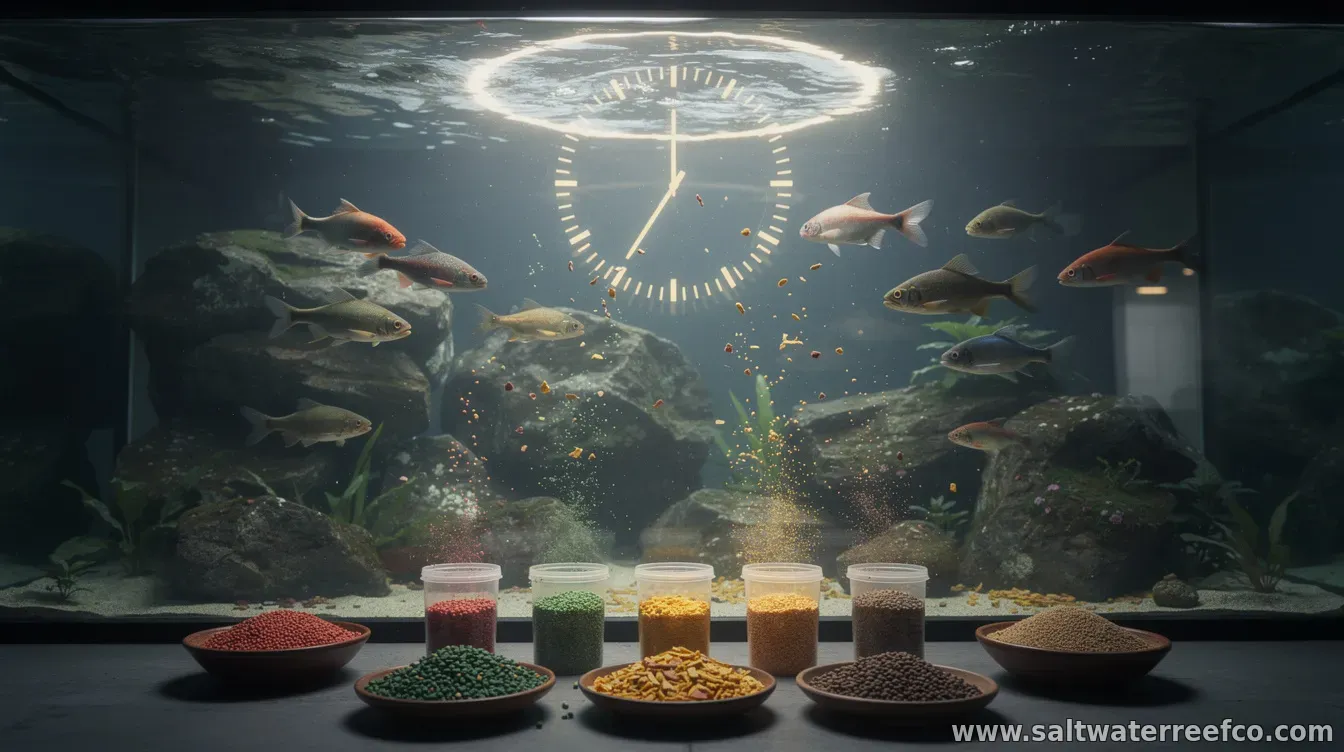
Feeding marine fish successfully is less about finding one “perfect” food and more about offering a balanced mix and a predictable routine. Different species have different feeding behaviors (grazers, planktivores, omnivores, carnivores), so the best plan starts with understanding what your fish naturally eat and what your tank environment can support. Most home reef and marine setups use a combination of staple frozen or prepared foods plus occasional enrichment feeds. The goal is to provide sufficient nutrition while minimizing uneaten food, which can spike nutrients and harm water quality. Key food types for marine fishChoose foods based on your fish’s mouth shape and natural diet, then rotate between them to cover protein, fats, vitamins, and (for some species) plant-based components. 1) Frozen foods (common staples: mysis shrimp, brine shrimp, krill, cyclops) 2) Prepared dry foods (flakes, pellets, granules) 3) Live foods (often for picky eaters) 4) Meaty “variety” blends (for carnivores/omnivores) How often to feed: a practical scheduleFor most community marine aquariums, feeding frequency is about stability and control: offer small portions several times rather than one large meal. This typically reduces waste and supports steady grazing in the tank. Beginner-friendly baseline (general guidance)
A good rule is to feed only what your fish can consume quickly—often within a few minutes for most prepared or frozen offerings. If food is consistently left uneaten, reduce portion size or frequency and reassess water quality. Portion size and “how to tell” it’s rightEven with the right foods, overfeeding is a common cause of cloudy water and elevated nutrients. Look for signs that portions are appropriate: fish eagerly approach food, there’s little or no leftover debris, and water parameters remain stable. If you notice persistent leftovers, adjust in this order: reduce the amount first, then shorten feeding time, and finally lower feeding frequency. Conversely, if fish appear skinny, show poor color, or repeatedly ignore food, you may need better food size/texture, gradual switching, or a more varied rotation. Rotating foods for better nutritionTo support overall health, rotate between at least two categories (for example, frozen mysis or brine-based foods plus a pellet/flakes staple). A simple weekly approach can help: use one main frozen option most days, include a prepared pellet or granule staple, and reserve live or specialty items as occasional “training” or enrichment feeds. For many keepers, enrichment also means adjusting presentation. Some fish respond better if food is delivered by a turkey baster, via targeted feeding near their preferred hiding areas, or in smaller portions during different tank lighting periods. Species-specific tweaks that matterFeeding schedules should be tailored. Grazing species (some tangs and herbivores, depending on system setup) often require frequent access to algae-based foods or high-vegetable items, while bottom-feeders may need sinking pellets or foods that stay accessible at the substrate. Nocturnal fish may do better with a late feeding timed to their active period. If you’re unsure what your fish eat, observe feeding behavior: do they take food at the surface, midwater, or bottom? Do they pick continuously or wait for bigger meals? Your schedule and food type should match what you see. With the right combination of food types and a consistent feeding routine, marine fish typically show improved appetite, vibrant color, and steady growth. Start with a conservative baseline schedule, monitor leftovers and water quality, and adjust gradually as you learn each fish’s preferences. | |
|
| |
Next & Previous posts