1:05 AM Custom Aquarium Builds: What Clients Should Know | |
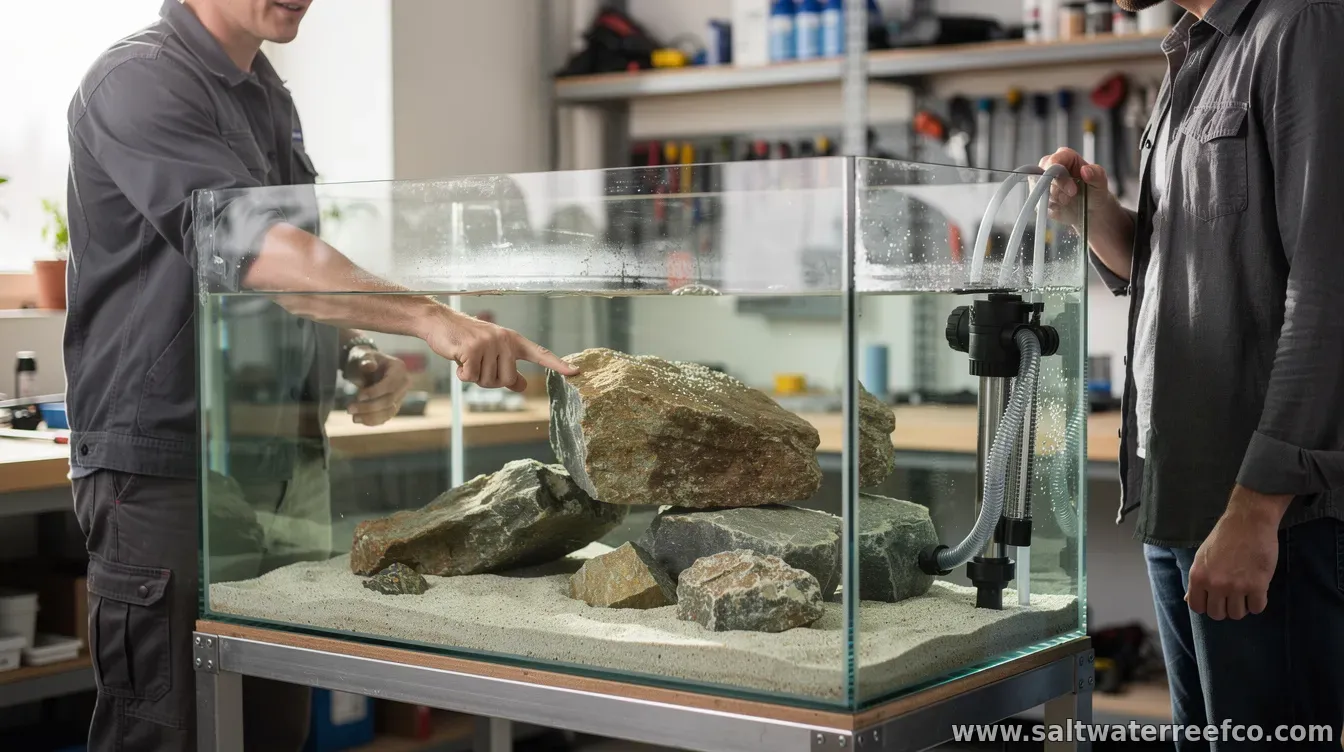
Custom aquarium projects can transform a space with a centerpiece tank—yet the experience often hinges on decisions made long before the tank is delivered. From site preparation to electrical safety and species planning, clients who come prepared tend to get better outcomes. 1) Start with a clear goal—and match the tank to itThe most successful builds begin with a specific target: reef vs. freshwater, fish-only vs. planted, low-maintenance vs. high-detail aquascaping, and indoor viewing height preferences. Clients should expect the design to be driven by livestock needs and viewing goals, not just aesthetics. 2) Verify measurements, placement, and “load” realitiesA custom aquarium is only as practical as its installation site. Build teams and clients should confirm floor strength, stand levelness, water weight assumptions, and clearance for plumbing, filtration access, and maintenance. Even small layout constraints—like cabinet depth or door width—can affect equipment selection and final fit. Clients should also request a plan for how the aquarium will be serviced. Can the filter be accessed without moving furniture? Is there a safe path for hoses and cords? These details reduce costly redesigns once the system is in place. 3) Budget beyond the tank priceOne common surprise is that tank cost is only part of the total. A quality custom build typically includes filtration components, lighting, heating/cooling where needed, plumbing parts, dosing or monitoring tools, backup options, and the initial “cycle” period to establish biological filtration. Clients should ask for a detailed scope and what is included vs. optional. It’s also worth discussing operating costs: electricity for lighting and pumps, water use for top-offs or changes, and replacement schedules for media or parts. A transparent long-term budget helps avoid mid-project compromises. Depending on the design, additional elements—like leak detection, sumps, automated top-off systems, or specialized filtration—can improve stability. Clients should weigh upfront expenses against the reduced risk of system swings and easier day-to-day care. 4) Electrical, plumbing, and safety should be non-negotiableMany build issues come down to utility planning: where outlets are located, how cables are routed, and whether equipment is protected from splash and humidity. Clients should expect guidance on GFCI protection, drip loops, cord strain relief, and safe placement of power supplies. For plumbing, confirm shutoff valves, drainage options, and how overflow or emergency scenarios are handled. The best custom builds treat safety measures as part of the design, not as add-ons after installation. 5) Choose livestock plans early to avoid redesignsAquarium designs are often “locked” to the needs of a chosen species community. Clients should discuss stocking intent early—size of adult fish, compatibility, territorial behavior, and whether the system is meant for live rock or plants. Lighting intensity and filtration capacity can change significantly based on whether the goal is a reef-like environment or a simpler freshwater setup. It’s also important to align on the timeline for cycling and initial stocking. Responsible builds don’t rush biofiltration, and adding organisms too quickly can lead to setbacks. 6) Ask how commissioning, testing, and support workBefore the tank is “done,” clients should clarify commissioning steps: leak testing, temperature stabilization, salinity or water chemistry checks (where relevant), and the schedule for monitoring parameters during cycling. A reputable builder can explain what they test, how often, and what measurements indicate readiness for livestock. Clients should also ask whether there is ongoing support—remote troubleshooting, maintenance guidance, or service visits—and what documentation they receive (equipment lists, wiring plans, and care notes). Clear records make future maintenance faster and safer. Custom aquarium builds can be rewarding, but they succeed when expectations are managed from day one. By confirming site constraints, budgeting for the full system, prioritizing safety and utility planning, and locking in livestock goals early, clients can reduce risk and move toward a stable, long-term aquarium that looks as good as it performs. | |
|
| |
Next & Previous posts