3:06 AM RO/DI Water Systems Explained: Why Purity Matters |
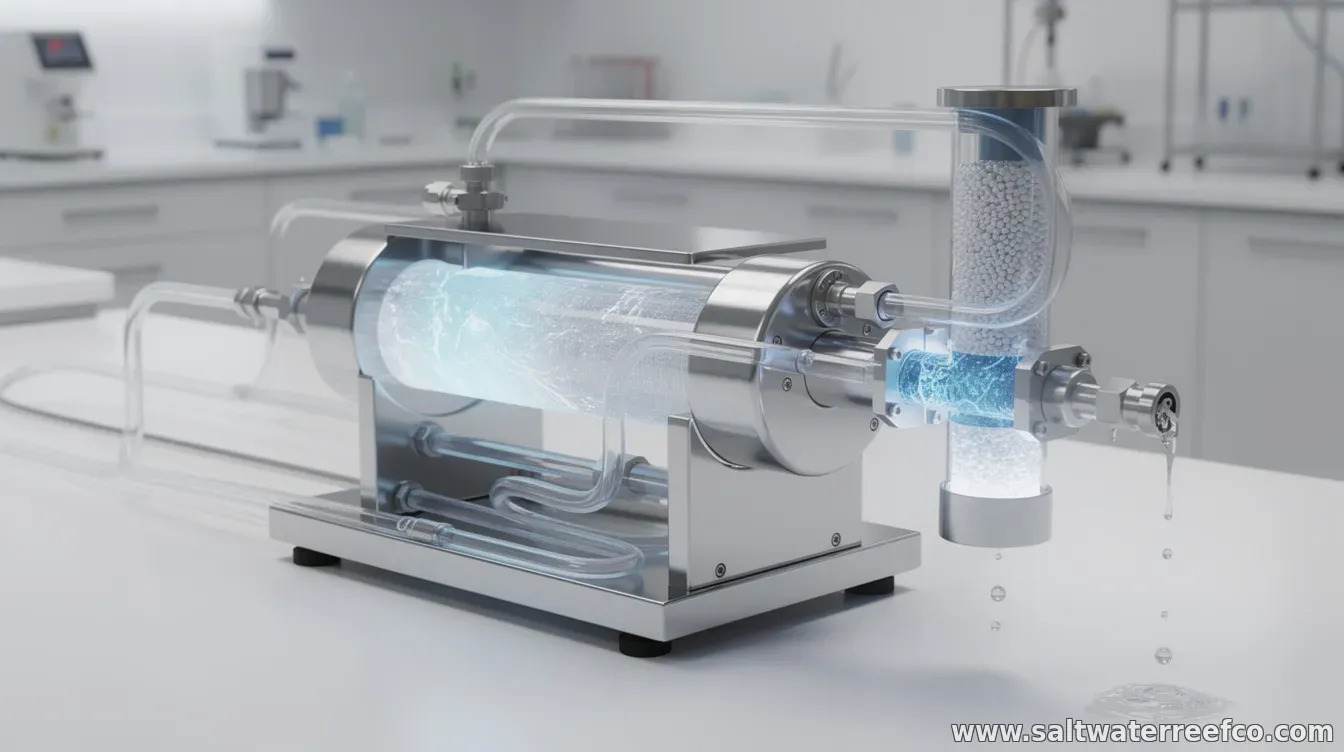
RO/DI water systems are designed to make water far purer than typical tap supplies by stripping out contaminants that can dissolve, react, or accumulate over time. While “purity” is often treated as a marketing term, it directly affects how water behaves in real-world applications—from scaling and corrosion to sensor accuracy and product consistency. Most systems combine two stages: reverse osmosis (RO), which filters out the bulk of dissolved materials, and deionization (DI), which polishes the water by removing the remaining ions. Together, they target a broader range of contaminants than RO alone. How RO changes waterRO works by forcing water through a semi-permeable membrane using pressure. As water passes through, many dissolved solids—such as salts and other ions—are rejected by the membrane, leaving the product water cleaner while the concentrated impurities are flushed away. The effectiveness of RO depends on feed water quality (what enters the system), membrane condition, and operating parameters. Over time, membranes can lose performance, which is why maintenance schedules and monitoring matter. Why DI is the “polisher”Even after RO, some ions typically remain. DI uses ion-exchange media to capture residual charged particles. In practice, DI media is what enables water to reach extremely low conductivity—an indicator that it contains few measurable dissolved ions. When DI media becomes exhausted, the system’s output quality can drop quickly. That’s why many RO/DI setups include conductivity monitoring or clear guidance on when to replace DI cartridges. What purity protects againstHigh-purity water can reduce problems that aren’t always visible at first. In many settings, dissolved minerals drive scale formation on heaters and fixtures, or they interfere with processes that require consistent chemical conditions. Purity is also critical for applications where contaminants can skew results or degrade equipment. For example, laboratory workflows, precision cleaning, and certain industrial processes rely on water that won’t introduce unwanted ions or residues. Choosing the right system and maintaining itThe “best” RO/DI configuration depends on intended use, acceptable water quality targets, and local water conditions. Feed water hardness, chloramine/chlorine levels, and total dissolved solids influence how much pre-treatment may be necessary and how quickly components wear. Just as importantly, maintenance affects outcomes. Common tasks include replacing pre-filters, servicing or replacing membranes, renewing DI media based on usage, and keeping the system clean to prevent biofouling or channeling. Ultimately, RO/DI systems are built around a simple idea: better purification leads to better performance. By understanding how RO removes the majority of dissolved solids and DI polishes what remains, users can better manage water quality, protect downstream equipment, and avoid the costly effects of scale and inconsistency. |
|
|
Next & Previous posts