1:58 AM Beginner-Friendly Corals for New Reef Keepers |
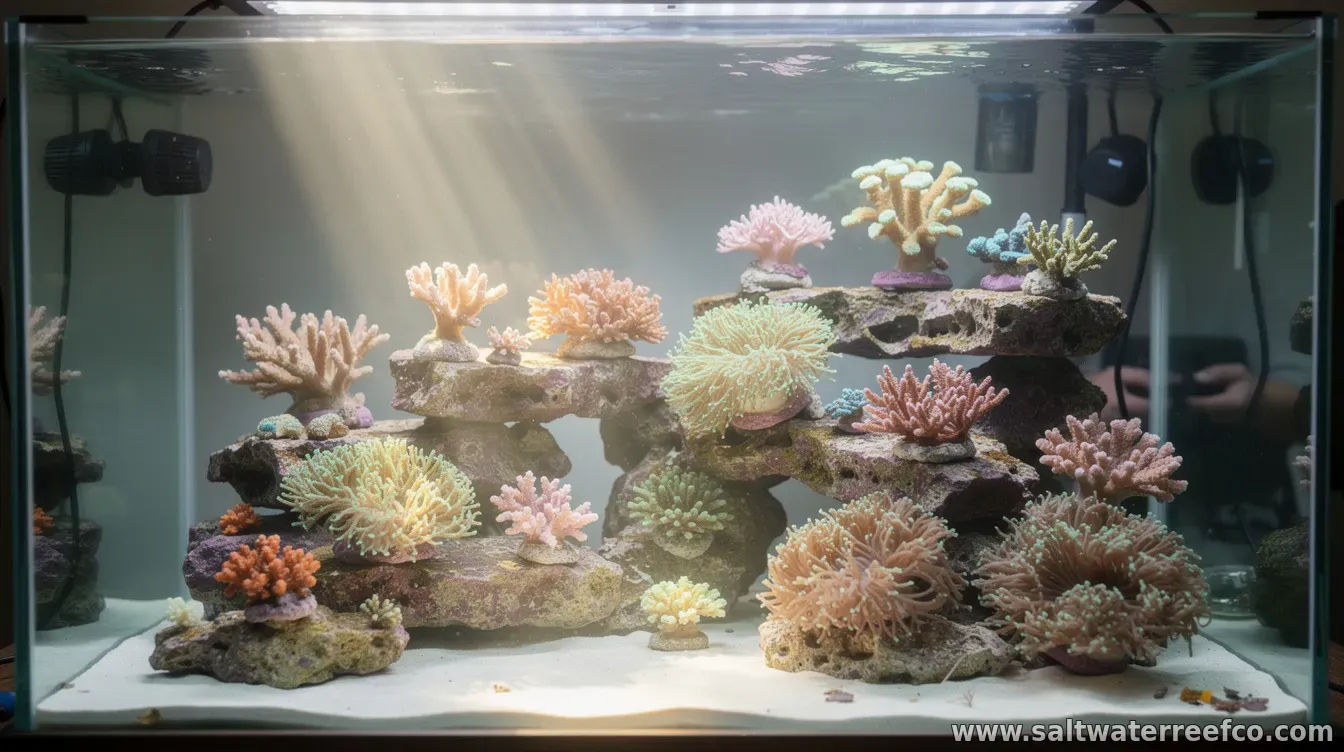
Choosing corals for a new reef is less about finding the “prettiest” species and more about selecting animals that can handle early instability. Many beginner tanks go through swings in salinity, temperature, nutrients, and light as the system matures. The goal is to pick corals known for resilience, fast recovery, and forgiving care. Below are beginner-friendly coral groups that are widely recommended for starting reef setups, along with what to prioritize so your first additions have the best chance. 1) Soft corals: the easiest path for many beginnersSoft corals (and their close relatives) are often the most forgiving because they tend to be less demanding than many hard corals. Common beginner favorites include leather corals and toadstool leather types. They generally accept a wider range of moderate lighting and feeding opportunities than many SPS (small-polyp stony) corals. Best practice: Start with moderate flow and stable parameters. If you spot excessive retraction, lack of expansion, or ongoing tissue irritation, adjust flow and lighting gradually rather than making sudden changes. 2) LPS corals: forgiving with the right feedingLarge-polyp stony (LPS) corals are popular with new keepers because they can look dramatic early while remaining relatively manageable. Many beginners succeed with torch-like shapes (some euphyllia types), open-brain corals, and frogspawn/hammer-style corals when conditions are stable. What they need: LPS usually benefit from moderate-to-strong but not blasting flow and regular feeding (targeted feeding or consistent waterborne particulate). Keep them spaced to reduce aggression from neighboring corals. 3) Mushrooms and other hardy “starter” coralsCorals like mushroom corals (and similar hardy soft-skeleton forms) are often recommended for first-time coral keepers. They’re typically good at tolerating minor fluctuations and can be a strong confidence builder—especially in systems that are still finding their rhythm. Watch-outs: Even hardy corals can suffer if light is too intense or if detritus collects at the base. Choose a placement with good circulation and avoid areas that trap debris. 4) Zoanthids and palythoas: colorful, resilient, but mind the risksZoanthids can be an excellent beginner coral choice due to their tough nature and bright colors. They often do well in a variety of reef conditions, and many thrive under common beginner reef lighting setups once acclimated. Important: Some zoanthid/palythoa relatives are associated with toxins in certain circumstances. Treat them with care, especially when fragging or handling. Avoid unnecessary contact, use appropriate safety precautions, and keep their placement away from high-traffic areas. What to prioritize before buying your first coralsEven the “best beginner corals” will struggle if the basics are unstable. Before you add livestock, focus on predictable water quality and equipment reliability. Consistent parameters reduce stress and help corals recover from shipping and acclimation.
A simple starter strategyFor most new reef keepers, the most successful approach is to start with 1–3 hardy coral types instead of adding many species at once. Begin with something forgiving (such as leather corals, mushrooms, or zoanthids), let the tank stabilize with the new bioload, and then expand to LPS once you can reliably maintain parameters and observe coral response. Healthy beginner corals usually show clear signs of expansion, consistent feeding response (for LPS), and stable coloration. If a coral repeatedly retracts, develops excessive stress behavior, or shows tissue irritation, treat it as a husbandry feedback signal—then refine lighting, flow, and water quality before adding more. With the right “starter” coral picks and a steady routine, your first months can be a rewarding ramp-up—turning a new aquarium into a mature reef system one hardy polyp at a time. |
|
|
Next & Previous posts