1:09 AM How to Choose a Professional Aquarium Maintenance Company | |
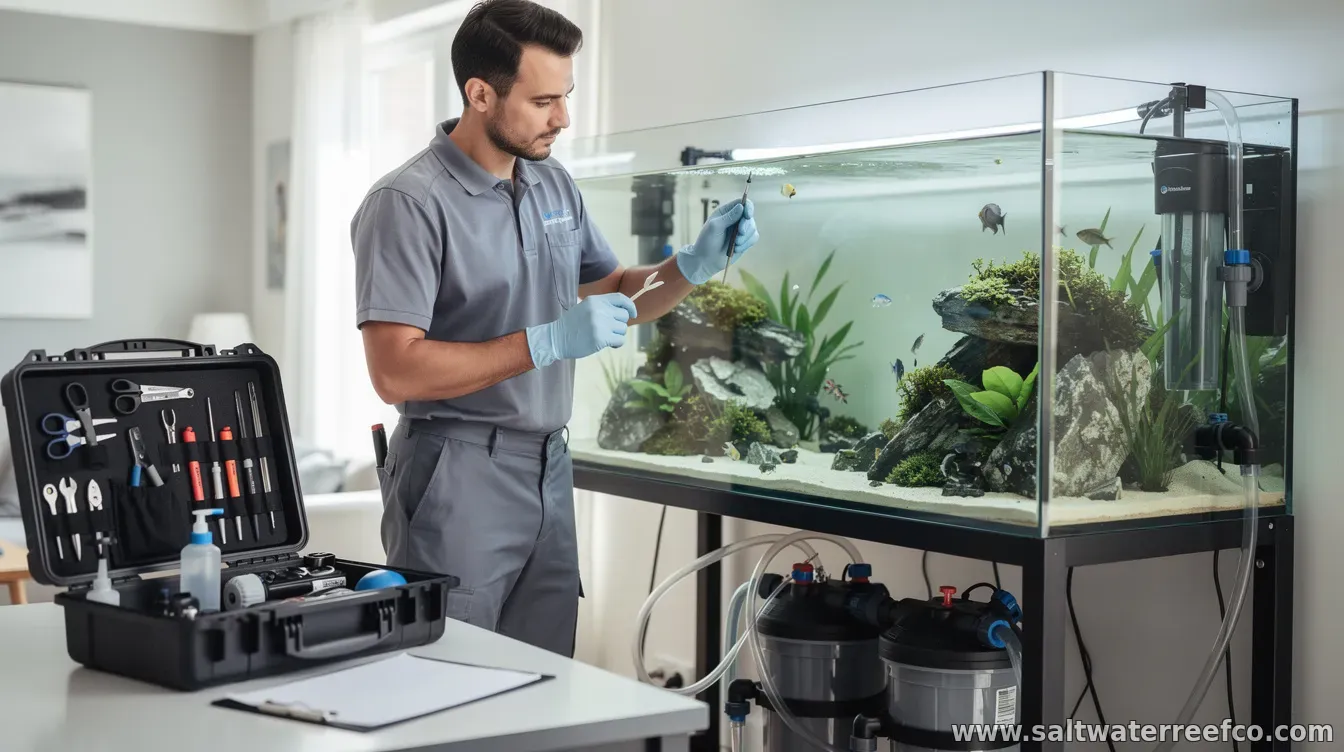
Choosing a professional aquarium maintenance company is one of the fastest ways to protect fish health, reduce stress on your system, and keep maintenance consistent. But not all “service providers” handle tanks with the same level of care. Start by confirming the company’s experience with your specific type of aquarium—freshwater, marine/saltwater, reef systems, planted tanks, or specialty setups. A provider that regularly works on systems like yours will be more likely to anticipate issues such as algae blooms, salinity swings, cycling-related instability, or equipment wear. Verify credentials and aquarium-specific expertiseAsk for concrete proof of aquarium experience: years in business, examples of similar systems maintained, and the process they use for inspection and water-quality testing. If they describe maintenance in general terms only, or can’t explain how they assess water parameters, that’s a red flag. For marine and reef tanks especially, look for staff familiarity with key measurements like salinity, alkalinity, calcium, magnesium, nitrate, phosphate, and pH—along with how those readings guide actions. For planted tanks, they should understand nutrient balance, CO2 dosing (if applicable), and lighting schedules. Demand transparency on scope, frequency, and outcomesA professional company should clearly define what they will do during each visit and how often they recommend visits based on your tank size, stocking, and filtration. Inquire about services such as partial water changes, substrate and filter media care, glass cleaning, equipment checks, temperature monitoring, feeding guidance, and troubleshooting. Good providers also explain what “done” looks like—typically via documented water test results, notes on animal behavior, and a clear plan if parameters drift. If they avoid sharing measurable outcomes or won’t discuss how they report results, you may not get the accountability you’re paying for. Check tools, testing methods, and replacement policiesMaintenance quality often depends on whether the technician uses accurate testing equipment and consistent procedures. Ask what test kits or meters they use, how often they test key parameters, and whether they provide the results in writing after each visit. Equally important: how they handle parts and wear. Do they replace consumables like filter media, mechanical cartridges, or dosing components with your approval? Will they recommend replacements based on measured performance rather than guesswork? A reliable company communicates decisions and costs up front. Clarify policies for access, emergency issues, and responsibilityBefore signing, confirm access logistics (pet-safe entry, lock codes, keys, or scheduling windows) and what happens if something goes wrong between visits. Ask about their emergency response approach for heater failures, power outages, major leaks, or rapid water-quality problems—especially for saltwater systems where stability is critical. You should also understand liability and accountability: who is responsible if equipment damage occurs during a service visit, how cancellations are handled, and whether the company carries appropriate insurance. Even the best technicians rely on systems and equipment, so insurance coverage and clear responsibility matter. Finally, request references or reviews specific to aquarium maintenance. If possible, ask for a trial visit or a short-term maintenance plan so you can evaluate communication, punctuality, documentation habits, and the apparent health of your tank over the first few weeks. With the right company, aquarium upkeep becomes predictable and calmer for both you and your animals. Use the checks above to find a provider that treats your tank like a living system—not a routine chore. | |
|
| |
Next & Previous posts