0:49 AM How Reef Tanks Can Transform Commercial Spaces | |
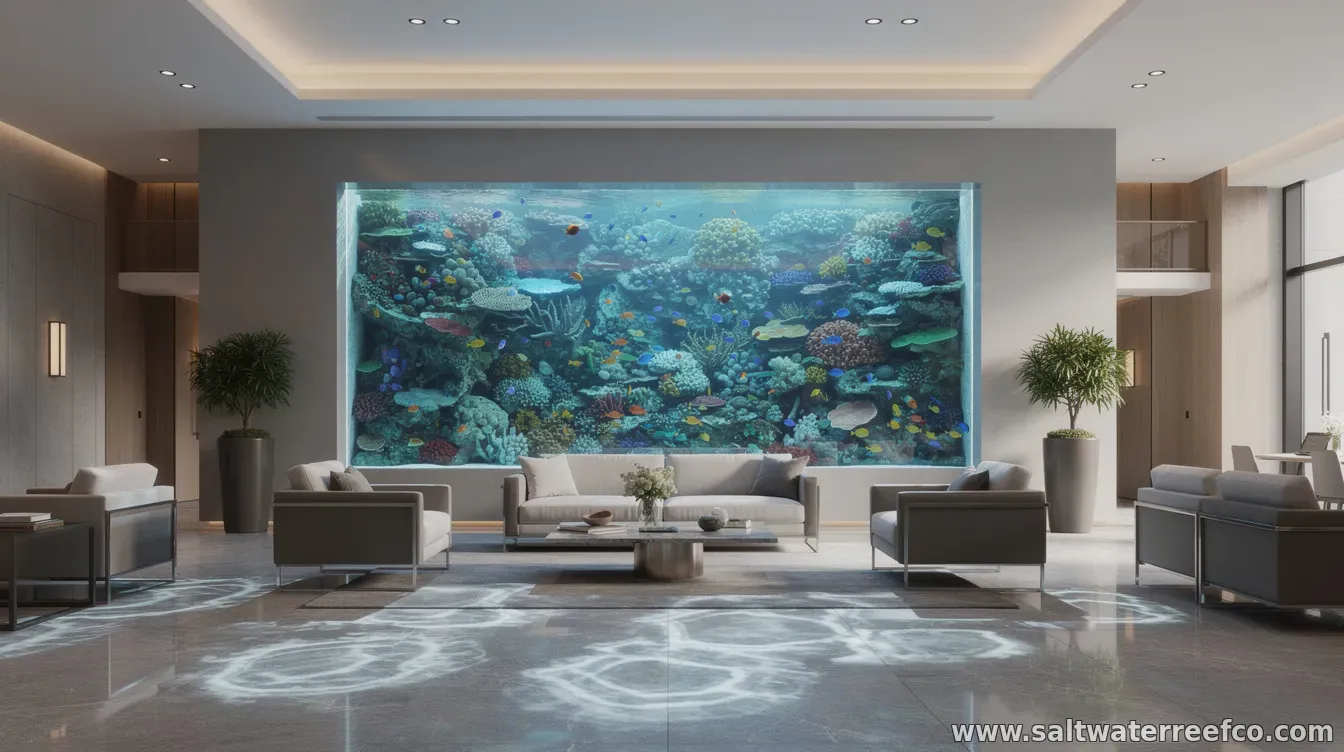
Reef tanks are no longer just a hobbyist indulgence. Across hospitality, retail, and healthcare-adjacent businesses, owners and designers are turning to live saltwater displays to create memorable environments that feel premium, calming, and visually distinctive. Unlike static décor, a reef tank adds motion, light, and natural complexity—qualities that can change how a space feels within seconds. In the last few years, commercial installations have expanded as aquarium systems have become more reliable, filtration has improved, and property owners have learned how to plan maintenance and safety from day one. A “living centerpiece” that differentiates a brandOne of the most common outcomes from reef-tank installations is differentiation. A carefully designed display—appropriate in size, lighting intensity, and viewing location—can signal a brand’s attention to detail. For customers, the tank is often a social magnet: people linger longer, take photos, and naturally gather around the viewing area. In dining and hospitality settings, this visibility matters. When the tank is positioned so it’s visible from seating and walkways, it becomes part of the customer journey rather than an isolated feature behind a counter. Real examples: where reef tanks are being used1) Restaurants and bars: Many restaurants use reef tanks to create a relaxed, “escape” atmosphere—especially in coastal-themed or upscale urban concepts. Documented commercial installations often place the tank in a central sightline so it’s visible from booths and tables, using calmer flow patterns and lower glare lighting to keep the experience comfortable for long stays. 2) Boutique hotels and hotel lobbies: Hotel operators frequently treat reef displays like high-impact lobby art. In published renovation case studies and industry showcases, tanks are often installed near entrances or reception areas to slow the pace of arrivals and add a signature visual element guests remember after check-out. 3) Offices that serve clients (real estate, legal, finance): Client-facing waiting areas are another frequent location. Industry guidance for commercial reef installs emphasizes temperature stability, noise control, and a clear viewing barrier—factors that help create a soothing environment while maintaining professional functionality. 4) Clinics and wellness spaces: Healthcare-adjacent businesses have adopted reef tanks in reception and recovery-adjacent areas. In real-world placements, the design goal is typically calm viewing: moderate bioload, predictable maintenance routines, and lighting schedules that align with business hours to avoid overstimulation. What makes commercial reef tanks work (and what doesn’t)Not every reef tank “translates” to a commercial setting. Successful installations usually share a few fundamentals:
Where businesses see the best results is when aquarium providers coordinate tank size, electrical planning, and service frequency alongside interior design—rather than treating the display as an afterthought. The visitor experience effect: calm, attention, and time-on-siteCommercial reef tanks tend to influence customer behavior in two ways: they reduce perceived stress and they increase time spent in the space. The gentle movement of fish, the changing light through water, and the rhythm of daily feeding all create a subtle “background attraction” that draws people in without requiring active staff engagement. That combination can be especially valuable for businesses that rely on longer customer dwell times—restaurants, lounges, spas, and client-service offices. How to plan a reef tank for your spaceIf you’re evaluating a reef tank for a commercial property, treat it as a small infrastructure project. Start by deciding whether the tank is meant to be a statement feature or a supportive ambiance element, then match the system to the space’s constraints. In practice, many commercial operators work through a short planning checklist with their aquarium provider: desired tank footprint and viewing angle, staffing expectations, emergency and leak safeguards, lighting schedule, and a maintenance contract that fits your operating days. For businesses that want a differentiating interior feature with measurable customer appeal, a well-designed reef tank can function as more than décor—it becomes a living experience. With the right location, safety plan, and ecosystem management, the display can transform a commercial space into somewhere people want to return. | |
|
| |
Next & Previous posts