0:38 AM What to Do When a Fish Dies in a Reef Tank | |
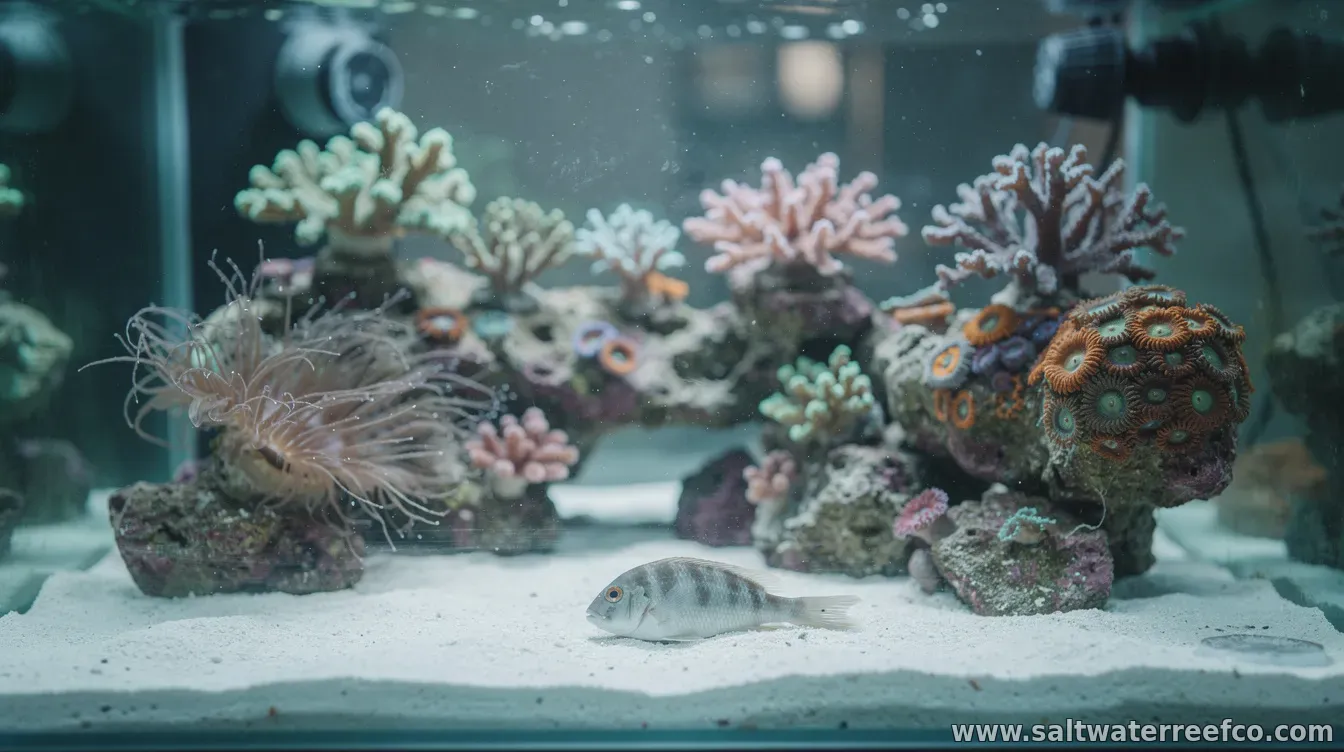
When a fish dies in a reef tank, the priority is to stop the body from decomposing and to prevent a sudden decline in water chemistry. In reef systems, even a small spike in ammonia or organics can stress corals and other livestock, so speed matters. Start by removing the fish as soon as you notice it. Use a dedicated net or container to lift the animal out, and avoid splashing tank water beyond what’s necessary. If the fish has sunk into live rock, gently search and remove it rather than leaving it buried. Why immediate removal helps: a decaying fish releases nitrogenous compounds and increases biological oxygen demand. That can translate into higher ammonia/nitrite levels and lower dissolved oxygen, especially in smaller tanks or systems with heavy bioload. Check the tank right awayAfter removal, test key parameters—ideally the same day. Focus on ammonia (NH3/NH4), nitrite (NO2), nitrate (NO3), salinity (specific gravity), temperature, and pH. If you use a dissolved oxygen meter or monitor, verify oxygen as well. If you have a history of swings, also look for signs of a malfunction in heaters, chillers, or auto top-off. If ammonia or nitrite is elevated, treat it as urgent. Follow your aquarium’s established emergency protocol (for example, increasing aeration and using an appropriate detoxification product if that’s part of your routine). Avoid abrupt large water changes that can shock remaining livestock; instead, use gradual, controlled changes when needed. Confirm whether anything else is affectedLook for early warning signs in the rest of the tank: rapid breathing, clamped fins, unusual hiding, corals retracting for extended periods, or increased algae-like film. If other fish show distress, investigate common triggers such as temperature swings, salinity changes, chemical reactions (for instance, accidental addition of contaminants), or aggression during feeding. Also consider whether the tank recently had a change—new livestock introduced, a medication or supplement added, filter media swapped, or maintenance performed. Many “sudden death” events trace back to stressors during or right after these changes. Clean up safely and support recoveryOnce the fish is out, remove any visible leftovers. If you can’t fully retrieve the body, increase mechanical filtration (running fresh filter floss or fine sponge media) to capture organics. Consider adding or refreshing activated carbon if you recently used medications or suspect contamination, but do not rely on carbon alone for nutrient control. Keep water movement and oxygenation stable: ensure powerheads and return flow are working, and verify there’s surface agitation for gas exchange. If your reef includes sensitive species, prioritize stability over aggressive interventions—corals generally respond best to steady conditions. Prevent future deathsUse the event as a data point. Review feeding habits (avoid overfeeding), confirm compatible stocking, and monitor behavior over the following days. If the deceased fish was newly added, consider whether the tank’s quarantine and acclimation process was sufficient. For recurring losses, plan a deeper diagnostic: repeated parameter testing at consistent times, checking salinity and temperature logs, and inspecting equipment (heaters, probes, mixing pumps, ATO reservoirs). In many cases, what you do in the first hours—removal and parameter checks—determines how well the tank recovers. With prompt action and careful stabilization, you can reduce the chance that a single loss becomes a broader reef emergency. | |
|
| |
Next & Previous posts