2:20 AM Dosing Pumps vs Manual Dosing: Which Fits Your System? |
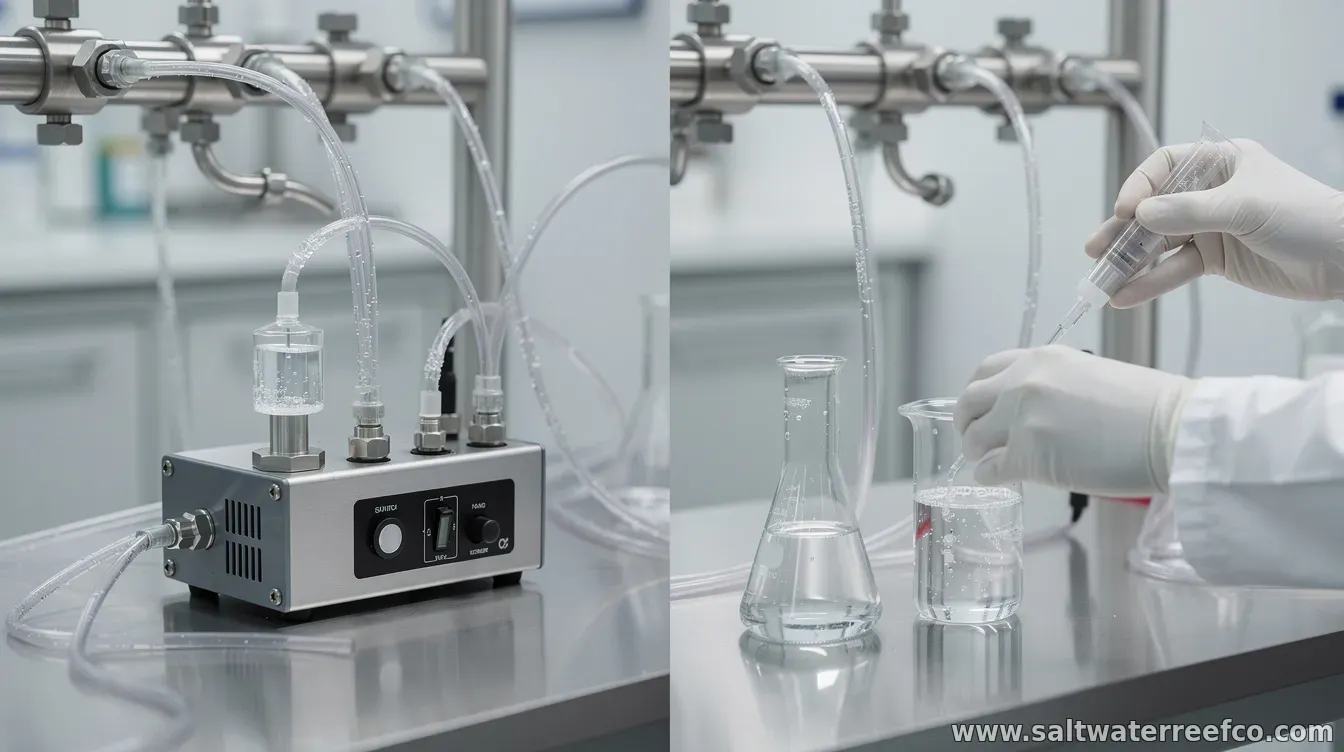
Choosing between dosing pumps and manual dosing can feel straightforward—until you consider how small delivery errors can compound over time. Whether you’re managing water treatment, HVAC systems, pools, aquaculture, or industrial chemical processes, the decision usually comes down to dosing accuracy, operational workload, and the consequences of under- or overdosing. What dosing pumps do differentlyDosing pumps automate chemical metering based on setpoints and operating conditions. Instead of relying on scheduled manual additions, the system delivers a controlled amount at defined intervals—or continuously—often with feedback support such as flow, pressure, conductivity, pH, or ORP readings. This typically results in tighter control and more repeatable performance. Because the delivery is mechanical and programmable, dosing pumps are well-suited to applications where concentration stability matters. They can also reduce variability caused by human timing, measurement drift, and day-to-day interruptions. When manual dosing still makes senseManual dosing can be a practical option for low-complexity systems or environments where chemical demands are relatively stable and the risk window is wide. It may be considered when equipment budgets are limited, when dosing frequency is low, or when the process is tolerant of short-term fluctuations. However, manual dosing depends heavily on consistent procedures: calibrated measuring tools, accurate records, disciplined scheduling, and reliable documentation. Even with good practices, manual methods are more vulnerable to human error and missed dosing events—especially during busy periods or shift changes. Accuracy, consistency, and riskThe core tradeoff is reliability of delivery. Dosing pumps generally improve accuracy and consistency by limiting dosing “spikes” and “gaps.” In contrast, manual dosing can introduce step changes—particularly if chemicals are added in larger batches—leading to temporary excursions outside target ranges. If the process consequences are significant—such as scaling, corrosion, biological instability, or compliance-related thresholds—automation usually becomes more compelling. For critical control points (like pH adjustment or disinfection), pump-based dosing tends to reduce operational surprises. Cost and operational workloadManual dosing may have a lower upfront cost because it avoids instrumentation and automation components. Yet the total cost of ownership can shift once you account for labor time, verification work (testing, re-checking, logging), and the potential cost of process instability. Dosing pumps involve capital expense and periodic maintenance (peristaltic/diaphragm wear items, calibration, tubing checks, and sensor/strainer upkeep where applicable). Still, they can pay back by reducing labor demands and improving process stability—especially in systems that run continuously. How to decide: a practical checklistUse these questions to match the right approach to your needs:
In many real-world deployments, facilities start with manual dosing for simple or exploratory phases and transition to pumps as the process matures, monitoring improves, and performance targets tighten. Bottom lineDosing pumps are typically the better choice when accuracy, repeatability, and reduced operational risk matter—especially for continuous systems, sensitive control points, or high-frequency dosing. Manual dosing can be appropriate for simpler, more forgiving processes where costs are constrained and procedures are consistently followed. The “right” answer is the one that best aligns with your target stability requirements, risk tolerance, and day-to-day capacity to maintain correct dosing. |
|
|
Next & Previous posts