6:18 AM Advances in Aquascaping: Lighting, Filtration and Automation |
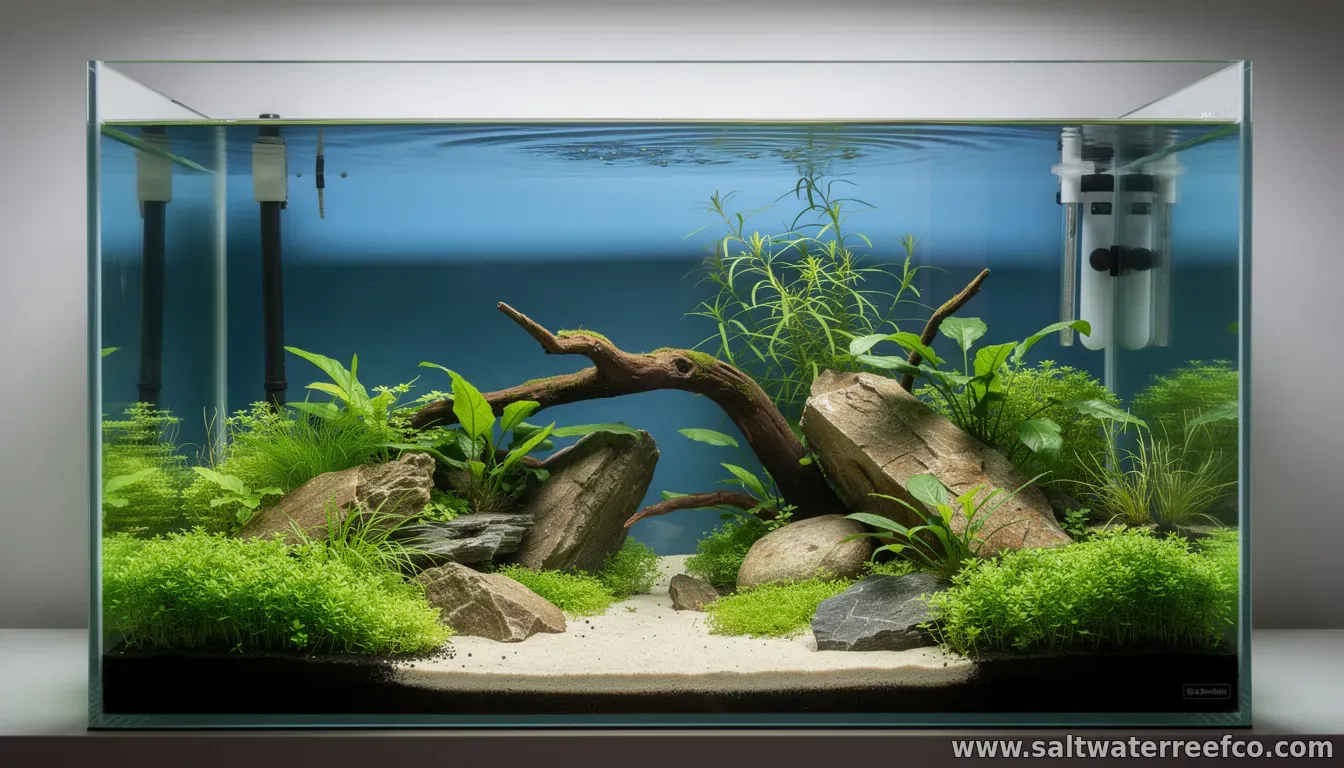
Aquascaping, the art of designing underwater landscapes, is entering a new era driven by advances in lighting, filtration, and automation. Hobbyists now have access to LED systems with spectrum tuning, energy efficiency, and smart controls that simulate natural day-night cycles. This shift is enabling more stable plant growth, vibrant colors, and healthier fish populations in compact setups as well as large displays. Lighting remains a cornerstone of successful aquascapes. Modern LED fixtures offer adjustable spectrum, intensity, and photoperiod programming. Many setups leverage programmable timers and cloud-connected controllers to maintain precise light regimes that mimic nature, reduce algae growth, and enhance pigment development in aquatic flora. Filtration technology has also evolved. Advanced canister and external filters provide multi-stage media that optimize biological filtration, mechanical clarity, and chemical balance. hobbyists are increasingly pairing high-flow pumps with matten filters or sponge pre-filters to maintain clear water while protecting delicate shrimp and plants from excessive currents. Automation is tying the components together. Smart controllers, dosing pumps, and sensor networks monitor parameters such as temperature, pH, KH, nitrate, and CO2 levels, enabling automated adjustments. This reduces manual maintenance while supporting stable conditions that promote lush growth and long-term tank health. In practice, new aquascaping workflows emphasize planning, modular hardware, and software that logs trends over time. Enthusiasts share dashboards documenting light schedules, filtration cycles, and water chemistry changes—facilitating data-driven design decisions. Industry watchers expect continued convergence of affordable consumer-grade tech with professional-grade capabilities, expanding possibilities for hobbyists at all levels. As these technologies become more accessible, new entrants can achieve professional-looking layouts with less trial-and-error. Experts caution that proper setup remains essential: calibrating CO2 dosing for plant species, balancing filtration to avoid strong current that can stress fish, and selecting lighting that matches plant needs without encouraging nuisance algae. The result is a more resilient, vibrant aquarium that demonstrates how science and art converge in the living world. Next steps for hobbyists include assessing existing tanks for upgrade potential, exploring modular lighting and filtration options, and considering automation as a long-term ally for maintaining complex aquascapes. Community resources and vendor demonstrations are good starting points for hands-on guidance before committing to a full-tech refresh. |
|
|
Next & Previous posts