0:42 AM Venomous Reef Inhabitants: How to Stay Safe While Diving | |
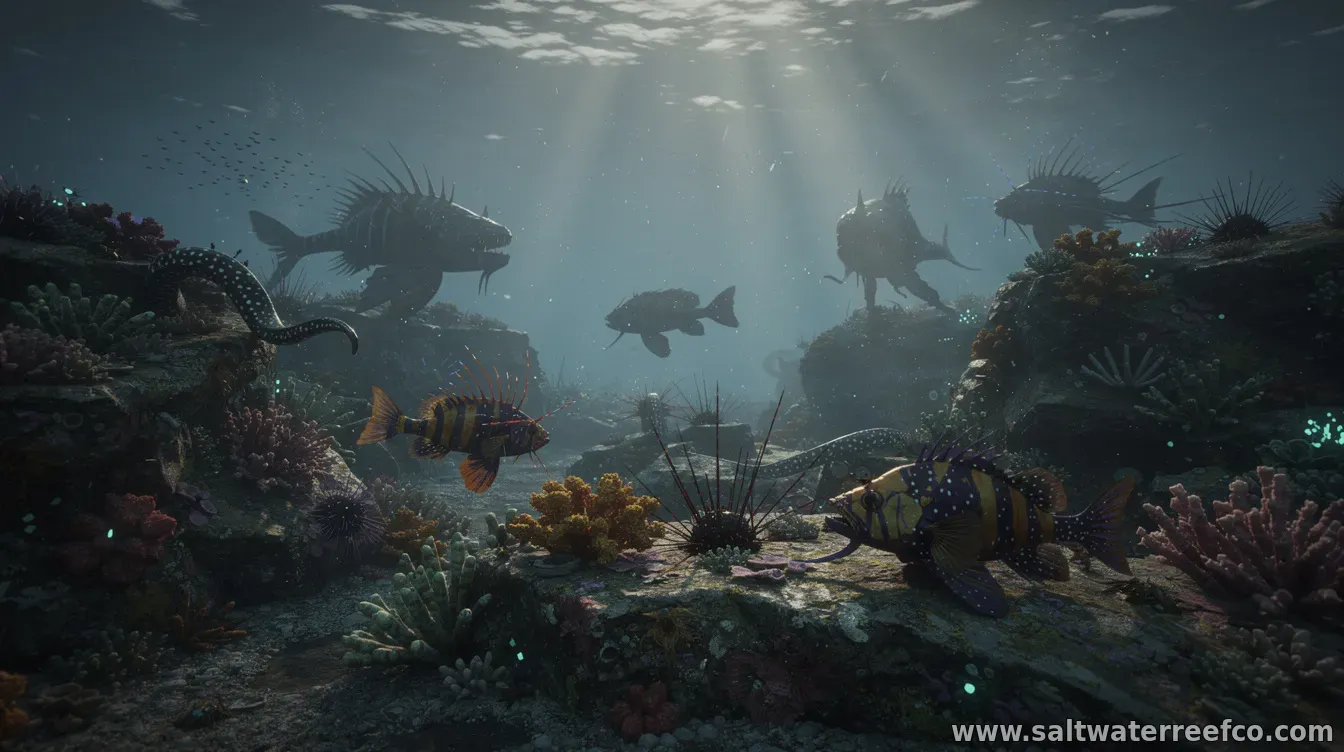
Reefs are home to colorful wildlife, but a number of species can injure people with venomous stings or toxins. Most incidents happen when animals are stepped on, touched, or handled—often in shallow reef areas where visitors are most likely to wade, swim, or snorkel. Understanding which reef inhabitants are dangerous, and how envenomation typically occurs, can make a major difference—especially in regions where medical help may be hours away. Stonefish and lionfish: common culpritsStonefish are notorious for painful envenomation. Their mottled bodies blend into sand and rocks, so people may step on them without realizing. Injuries can cause severe, long-lasting pain and swelling. Lionfish have venomous spines that can penetrate skin quickly. Contact can occur when divers or snorkelers brush against them, or when fish are collected or removed. Even a brief sting can be extremely painful. Conus (cone snails) and stingrays: smaller, still riskyCone snails (genus Conus) are small but can deliver venom through a specialized harpoon-like mechanism. Toxins vary by species; while most encounters are minor, handling or picking them up dramatically increases risk. Stingrays can cause serious injuries when stepped on. Their venom is delivered via a tail spine, and attempts to grasp or move a ray are a frequent cause of accidents. Coral and other hidden hazardsSome corals and reef invertebrates can irritate skin or cause painful reactions on contact. While not always “venomous” in the strict sense, reactions can still be medically significant and may be confused with envenomation. Surface exposure, abrasion, and secondary infection are common follow-on concerns after reef contact. The best approach is to avoid touching anything unknown—especially in shallow water. How to reduce risk on venomous reefsPrevention is the most effective strategy. Operators and local guides often emphasize the basics for good reason: most injuries are avoidable.
What to do if an accident happensIf envenomation occurs, remove the person from further danger and rinse the area with clean water (avoiding aggressive scrubbing). Avoid tourniquets or cutting the wound. Keep the injured person calm, monitor symptoms, and contact local emergency services or a medical provider as soon as possible. In many cases, the most important step is speed—getting appropriate assessment early can help determine whether specialty treatment is needed. With awareness and disciplined reef behavior, visitors can enjoy reefs without turning curiosity into injury. The ocean’s most vivid residents are also among its most hazardous; seeing them from a respectful distance is the safest way to experience them. | |
|
| |
Next & Previous posts