0:08 AM Keeping Octopuses and Cephalopods in Home Aquariums | |
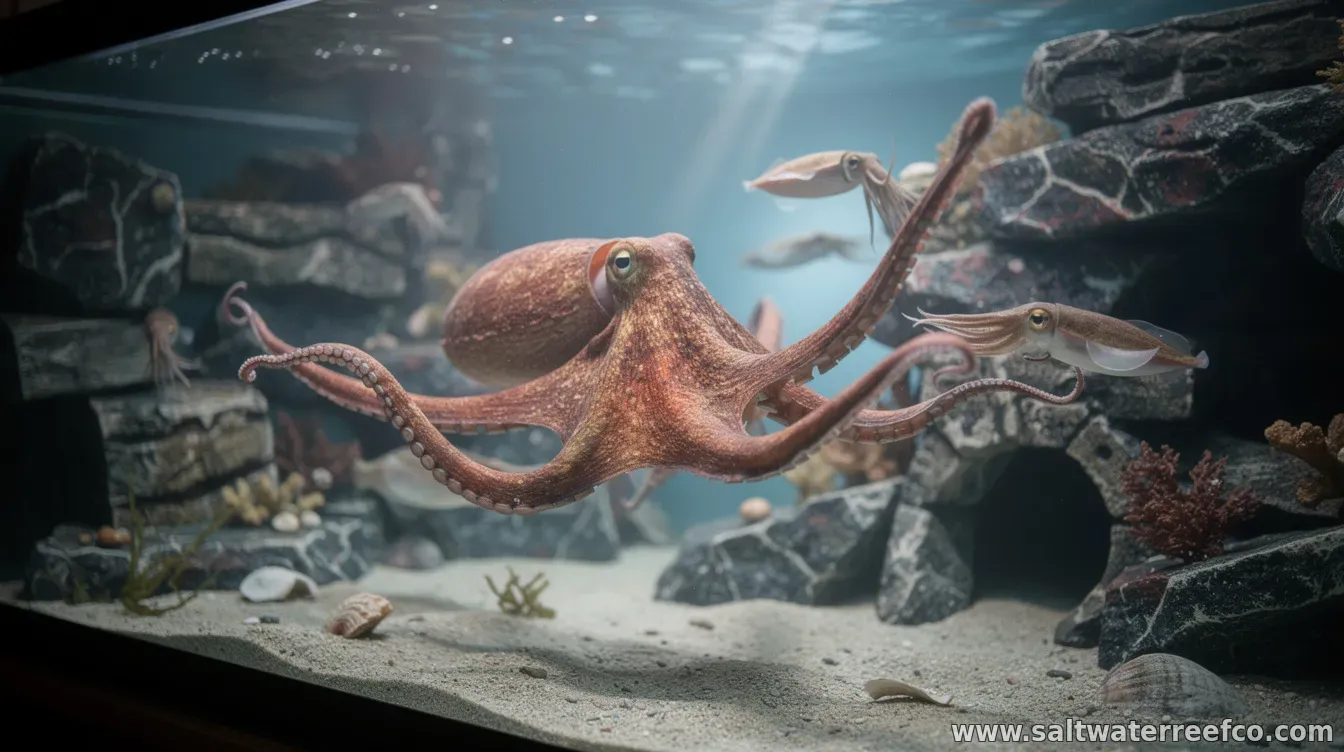
Octopuses and cephalopods are among the most intelligent and behaviorally complex animals kept in home aquariums. Their needs, however, differ sharply from those of many common reef or freshwater species, making success strongly dependent on preparation, equipment, and ongoing husbandry. In recent years, more hobbyists have experimented with cephalopod keeping, driven by improved captive-breeding availability and broader access to filtration and husbandry knowledge. At the same time, experts continue to stress that these animals are demanding, often escape-prone, and can experience stress if conditions are even slightly unstable. Special housing: security, oxygenation, and escape preventionThe first challenge in keeping an octopus is physical containment. Many cephalopods are skilled at probing seams, climbing, and squeezing through surprisingly small gaps. That means investing in robust lids, fine mesh or engineered overflow protection, and careful sealing of plumbing penetrations and cable runs. Equally important is water quality and oxygenation. Many keepers aim for strong, stable circulation without blasting the animal, plus filtration suited to cephalopod bioloads. Because cephalopods can be sensitive to stressors, sudden temperature swings, unstable salinity, or contaminated water are common setbacks. Tank setup and cycling: planning before the animal arrivesCephalopods typically perform better in established systems where biological filtration is mature. A “cycle first” approach—allowing beneficial bacteria to stabilize ammonia and nitrite—helps reduce acute risks. Hobbyists often pair this with thorough test routines so nitrate and other key parameters remain within appropriate ranges. Substrate and decor should prioritize safe movement and minimal injury risk. Many aquarists rely on smooth rockwork and secure hiding spaces rather than loose gravel. Enrichment also matters: the goal is to offer structured exploration areas while preventing entrapment or damage from aggressive or unstable structures. Feeding and welfare: variety, technique, and stress reductionFeeding is a daily responsibility and can strongly influence health. Many keepers provide a diet tailored to the species, emphasizing fresh or properly stored prey and avoiding overly fatty or nutritionally imbalanced options. Feeding methods should also consider hunting behavior—some cephalopods benefit from opportunities to forage or “work” for food rather than receiving only passive delivery. Stress reduction is a major theme in cephalopod welfare guidance. Bright lighting, frequent disturbances, and aggressive handling can quickly degrade wellbeing. Because some species are short-lived, owners should also plan for a welfare-first approach that includes monitoring patterns, appetite, and behavior changes. Before acquiring any cephalopod, prospective owners should research the specific species’ adult size, temperature preferences, and temperament. Compatibility is not one-size-fits-all: tankmates, if used at all, must not threaten the animal or compete for resources, and the risk of bites or damage must be taken seriously. Ultimately, keeping octopuses and cephalopods at home is less about “setting up a tank” and more about building an environment that supports stable water chemistry, secure containment, and consistent low-stress routines. For hobbyists willing to invest time and equipment up front, these animals can offer remarkable observational value—but the bar for care is high. As availability grows, best practice is likely to remain unchanged: prioritize species-appropriate setup, maintain rigorous water testing, design for escape prevention, and treat enrichment and calm handling as core husbandry—not extras. | |
|
| |
Next & Previous posts