0:30 AM How and When to Feed Corals: Target Feeding Guide | |
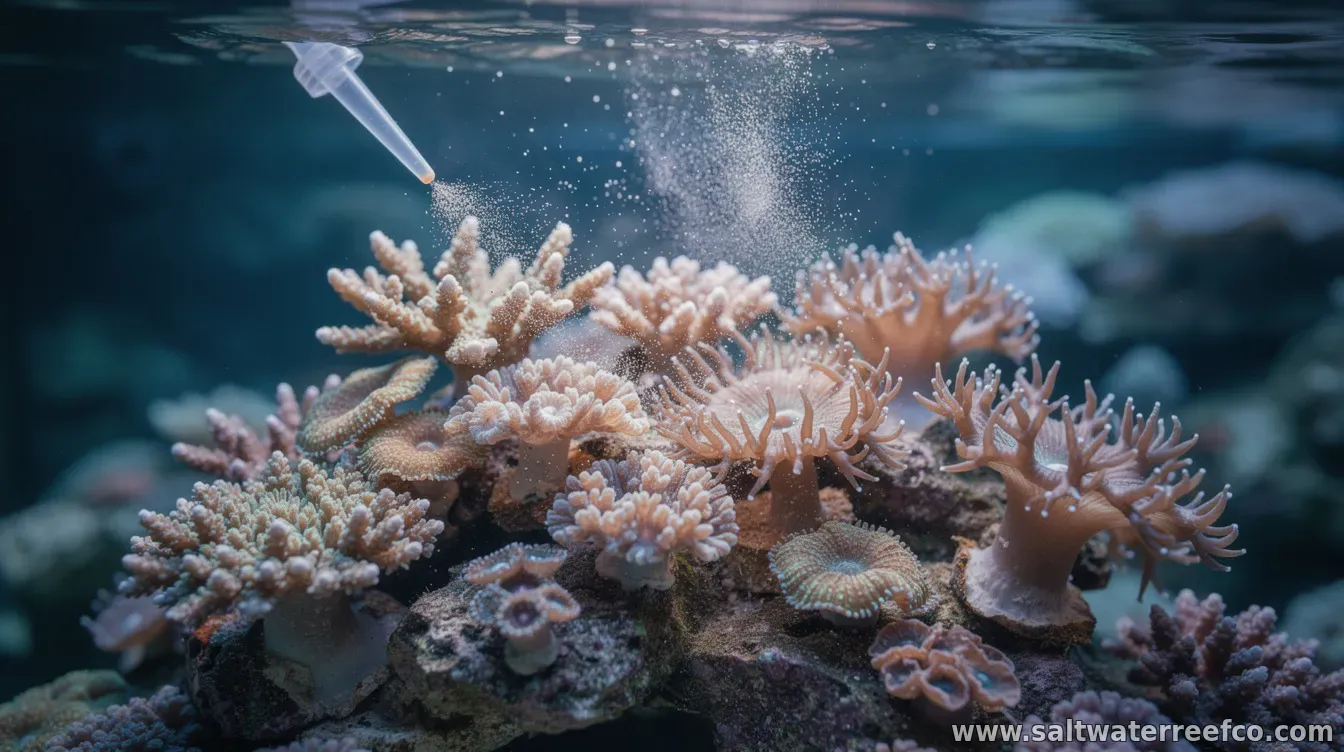
Target feeding helps supplement corals that naturally capture small particles from the water column—especially species that benefit from meaty foods. The key is timing and precision: feed only at the right moments, use appropriate food sizes, and avoid polluting the tank. When to feed coralsIn most reef aquariums, the best target-feeding window is during coral “feeding mode,” which is often tied to the animal’s natural rhythms. Many corals are more receptive after lights-out, but others respond during the day depending on species and feeding behavior. If you’re unsure, observe your corals: tentacles may extend, polyps may open wider, or feeding response may increase right before or after lights change. Timing also depends on flow and tank conditions. Plan feeding for a period when you can temporarily reduce strong circulation near the target coral without trapping harmful buildup or leaving the rest of the tank neglected. In general, feed when water is calm enough for food to be captured, but not so stagnant that detritus or waste becomes a problem. What corals benefit most from target feedingTarget feeding tends to work best for corals that capture larger, food-like particles or that show clear feeding behavior. Common examples include some LPS corals (often with fleshy tissue and visible feeding response) and certain soft corals. Many photosynthetic SPS corals may not require frequent target feeding because they rely heavily on light-driven energy, though some benefit occasionally if they show uptake behavior. When in doubt, treat target feeding as supplemental rather than routine. If your coral already looks great under stable lighting and nutrients, it may only need occasional feedings. How to target feed safely (step-by-step)Start with preparation: turn off or lower the flow near the coral (often just locally), and thaw/prepare food correctly. Foods should be appropriately sized—small enough to be captured but not so large that it causes tissue damage or encourages rejection. Rinse or portion feeds when needed to avoid introducing excessive packaging liquids or oils. Next, use a feeding tool (such as a turkey baster, pipette, or dosing syringe) to deliver food directly toward the coral’s feeding structures. Move slowly and aim so that the food stays in the capture zone long enough for the coral to grab it. Avoid blasting food against tissue; gentle delivery improves uptake. After dosing, give the coral time to capture the food. Then restore normal circulation to prevent food from lingering and decomposing. Watch for rapid capture—if the coral doesn’t take the food, remove the remaining detritus if feasible (without stressing the coral), and adjust your method for next time. How much and how often to feedFor most tanks, the safest approach is “less, more often” or “occasionally,” depending on coral response and tank nutrient levels. Target feeding should not cause visible clouds or a noticeable rise in skimmate production that persists. If your water chemistry becomes unstable or you see increased algae or nuisance organisms, reduce feeding frequency and/or food amount. A practical rule of thumb is to feed sparingly—offer a small portion and only increase if the coral clearly consumes it and your tank remains stable. Some corals respond well to scheduled feedings a few times per week, while others do best with less frequent feedings (for example, weekly or only during times of recovery or higher demand). Choosing food and matching particle sizeTarget feeding commonly uses appropriately sized foods such as finely chopped marine meats, prepared coral foods, mysis-type offerings (when properly portioned), or other small particulate foods designed for filter feeders. The ideal choice depends on the coral species and what it naturally captures. If your coral rejects a particular food, try a smaller particle size or a different food type rather than increasing quantity. When preparing frozen foods, portion and thaw in a controlled way so excess liquid doesn’t dominate the water. In general, smaller, cleaner particle distribution improves capture and reduces waste. Common mistakes to avoidThe most common issue with target feeding is overfeeding—food that the coral doesn’t consume breaks down, raising nutrients and potentially stressing water quality. Another frequent problem is feeding with particles that are too large or delivered with too much force, leading to poor uptake. Finally, feeding when flow can’t be controlled often results in food drifting away or settling on unwanted surfaces. To troubleshoot, always start by changing one variable at a time: reduce food size, adjust the amount, or fine-tune timing and local flow. If you see repeated refusal, reassess whether that coral truly benefits from target feeding under your current lighting and husbandry. Target feeding is most successful when it’s deliberate and responsive: feed during the coral’s active periods, deliver the right-sized food gently and precisely, and stop when your water quality shows signs of stress. With careful observation, you can tailor a routine that supports coral health without destabilizing your reef. | |
|
| |
Next & Previous posts