1:44 AM Aquarium Controllers: Apex and GHL Overview | |
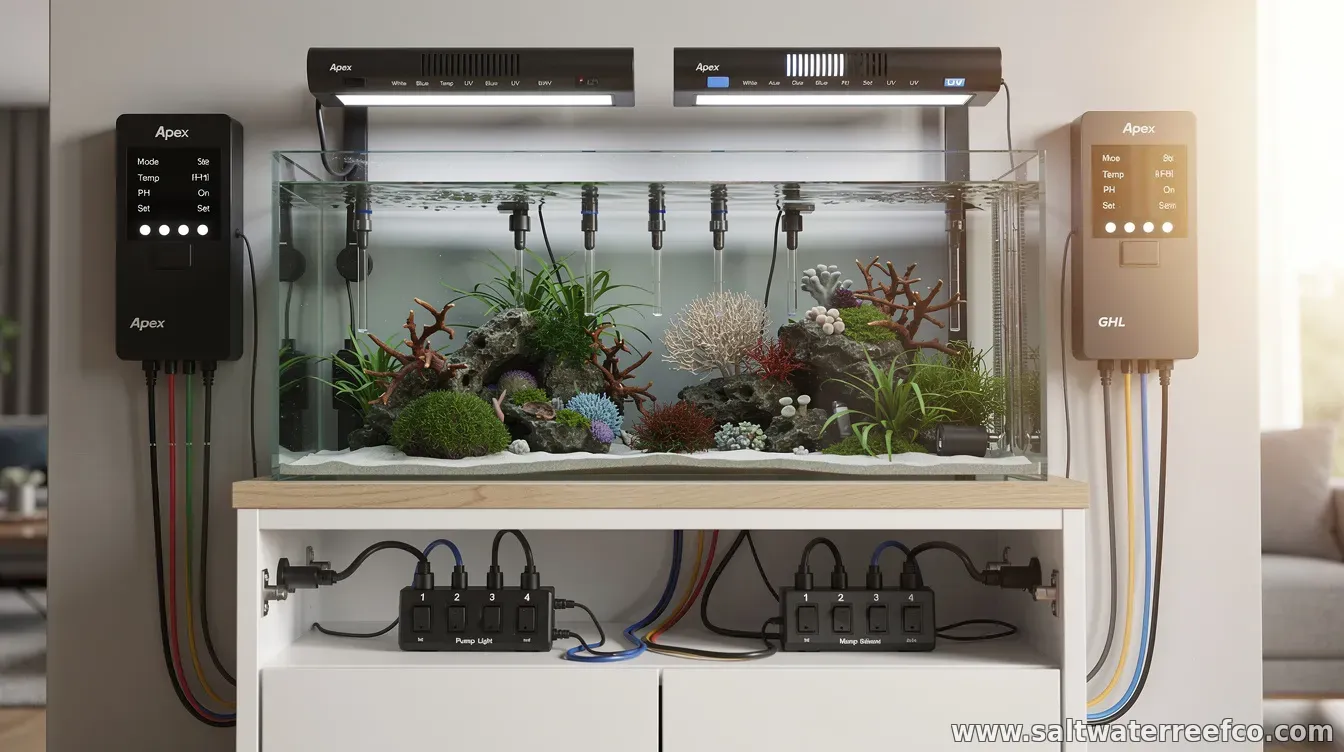
Aquarium controllers have evolved from simple outlet timers into centralized automation and monitoring platforms. Two of the most discussed options are Neptune Systems’ Apex and GHL (German High Level) controllers. Both ecosystems aim to reduce day-to-day maintenance while improving stability—especially for reef tanks where small swings in temperature, salinity, or pH can matter. At a high level, an aquarium controller works like a brain: it reads sensor data (such as temperature, pH, ORP, salinity/conductivity, water level, and flow), then triggers actions through controllable outlets or relays (heaters, chillers, pumps, skimmers, dosing, and lights). The strongest systems also include alarms and remote notifications so issues can be caught quickly. Apex: ecosystem automation and widely adopted integrationThe Apex platform is known for its broad automation capabilities and a large community of users and support resources. Neptune’s controller lineup typically focuses on modular expansion—letting you add probe types, modules, and expansion hardware as your tank needs grow. Apex setups are often chosen by hobbyists who want granular control logic (for example, condition-based dosing, safety interlocks, and staged responses for temperature or salinity trends). In practice, many Apex owners build automation around core stability drivers: temperature management (heater/chiller control with safeguards), pH/ORP tracking, and timed or conditional operation of equipment like return pumps and skimmers. Apex also tends to emphasize notification workflows, which can be important when you’re away from home. GHL: high-end build focus and smooth control workflowsGHL controllers are frequently highlighted for an emphasis on usability and a cohesive “one ecosystem” feel. GHL offers a broad set of sensors and expansion options designed to work together, which can simplify planning—particularly if you want to monitor multiple parameters and manage dosing, lighting, and other equipment under a consistent interface. For aquarists who prioritize a polished control experience, GHL is often positioned as a strong choice for managing daily schedules and system logic without having to piece together too many third-party components. The platform can be especially appealing for hobbyists who want a clean path from monitoring to actuation, such as linking conductivity/temperature readings to safety thresholds and dosing behavior. Key features to compare before buyingWhether you choose Apex or GHL, the decision usually comes down to how the platform matches your tank goals and your tolerance for setup complexity. The most useful comparison points are:
It’s also worth considering how you plan to automate dosing. Some tanks need straightforward schedules, while others benefit from conditional dosing strategies tied to measurable parameters (within safe limits). Your choice of controller can affect how easily those workflows can be implemented and verified over time. Common “real world” use casesMost aquarium automation projects start with temperature stability and equipment scheduling, then expand into more advanced monitoring. Typical early wins include heater/chiller control with safe margins, skimmer and return pump timing, and lighting schedules that match your livestock needs. As you mature your system, controllers can help with saltwater mixing discipline, alerting for unusual pH/ORP drift, and protecting against conditions like low water levels. Both Apex and GHL can support these goals, but your experience will depend on how well you plan sensor placement, calibration routines, and integration with dosing pumps or power control modules. How to choose: a practical checklistIf you’re comparing Apex vs. GHL for your next build, start by mapping your current equipment and your “likely upgrades” over the next 12–24 months. Then confirm that the controller’s expansion options, sensor compatibility, and control channels line up with that plan. Finally, consider how you prefer to interact with automation: some hobbyists want maximum flexibility and deep logic control, while others prefer an integrated workflow that reduces setup friction. In short, Apex and GHL are both capable automation hubs—your best choice will come from matching platform strengths to your tank’s monitoring needs, your desired level of automation, and the amount of setup time you’re comfortable investing. | |
|
| |
Next & Previous posts