0:19 AM Best Clean-Up Crew for Reef Tanks: Snails, Crabs, and Urchins | |
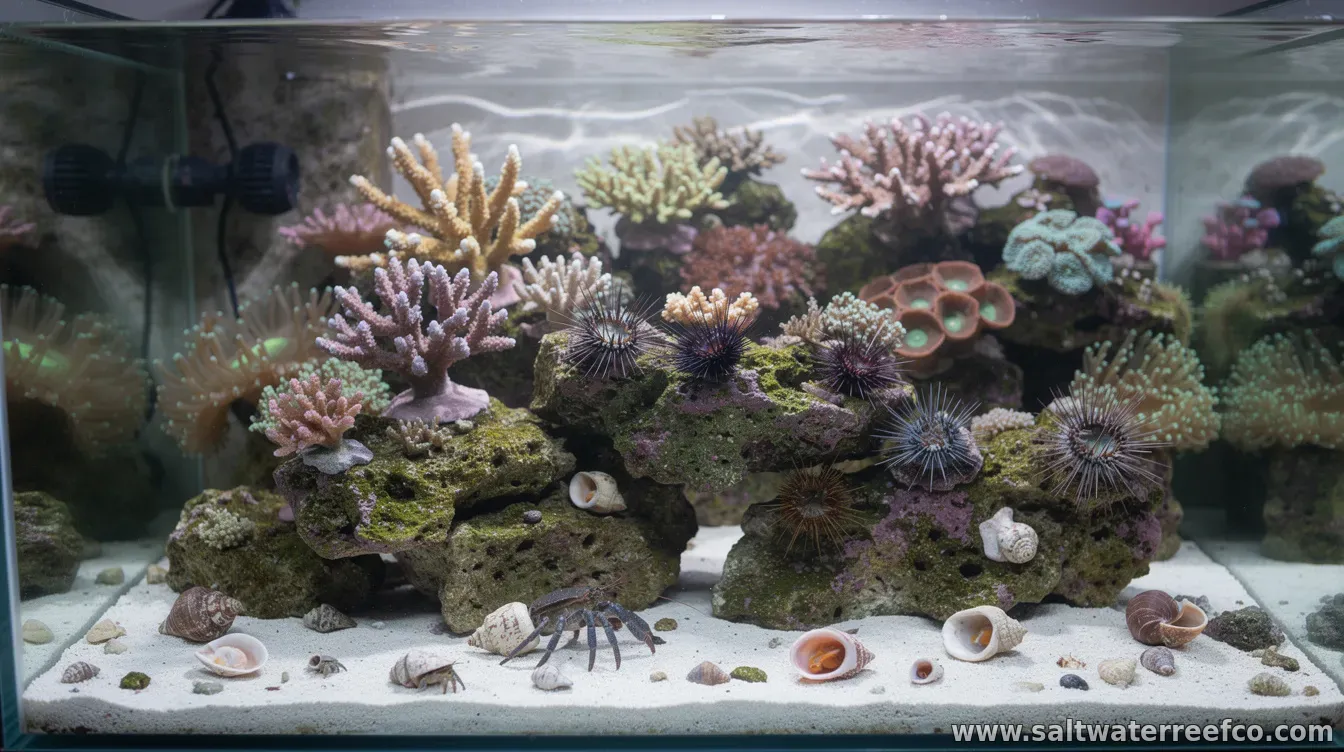
A healthy reef tank doesn’t just rely on lighting and filtration—it also depends on a “clean-up crew” that helps control algae, process detritus, and reduce leftover food. The best mix is usually a combination of grazers and scavengers, with careful attention to compatibility and stocking levels. Snails: the steady grazers and scavengersSnails are often the most dependable starting point for a reef clean-up crew. Many species actively graze on microalgae and biofilm, while others rummage through the substrate for leftover organic matter. Popular reef-safe options include trochus, nerite, and turbo snails—each with slightly different shell-shapes and grazing behaviors. When selecting snails, consider your tank’s main “problem” surface: if you’re dealing with film algae on rocks and glass, grazers like trochus and turbo can be effective. For lighter, persistent nuisance growth, nerites are frequently chosen because they’re compact and efficient. As a general rule, avoid overstocking—snails still produce waste, and large die-offs can destabilize water parameters. Crabs: helpful detritivores, but choose carefullyCrabs can contribute a lot to cleanup by stirring detritus and consuming leftover foods. However, they’re also more variable in behavior than snails, and some species can become opportunistic or aggressive in certain tanks. That’s why reef keepers typically match crab types to their temperament and tank conditions. In many reef setups, small hermit crabs are used to help clear detritus and leftover flakes. Providing empty shells is important so they can molt safely. If you’re considering true crabs, such as certain pom-pom or emerald-type varieties, verify they are reef-compatible and assess your stocking plan—especially if you keep slow-moving invertebrates or have a newly forming sandbed. Urchins: efficient algae control—when the tank can support themUrchins are widely known for their role in algae management, particularly for nuisance growth on rocks. Many reef keepers use them as part of an “algae-focused” clean-up strategy, but urchins also come with higher expectations: they need stable water quality, consistent food sources (especially if algae runs low), and appropriate space. Different urchin types vary by size and grazing intensity. If you use urchins, it’s best to start with a small number and monitor their progress, then adjust feeding and algae availability accordingly. Sudden starvation or rapid tank imbalances can lead to tissue loss, so keep nutrient levels and flow patterns predictable. How to build a balanced clean-up crew
Remember that cleanup crews are support teams, not a substitute for husbandry. Overfeeding, unstable water parameters, and low export capacity can overwhelm even the best snails, crabs, or urchins. What to expect after adding themMost reef tanks show changes within days to a couple of weeks, depending on the amount of available algae and detritus. Snails may immediately patrol rocks and glass, crabs often begin scavenging where food accumulates, and urchins typically focus on specific surfaces with strong grazing currents. If you notice rapid decline, unusually slow grazing, or a spike in waste, test core parameters and reassess feeding. A well-tuned crew should make your tank cleaner over time without adding new instability. Bottom line: For many reef keepers, the best clean-up crew is a layered approach—snails for reliable grazing and scavenging, reef-safe crabs for detritus processing, and urchins for targeted algae control—built gradually and supported by consistent water quality. | |
|
| |
Next & Previous posts