3:24 AM Emergency Aquarium Repairs: Expert Troubleshooting and Quick Fixes |
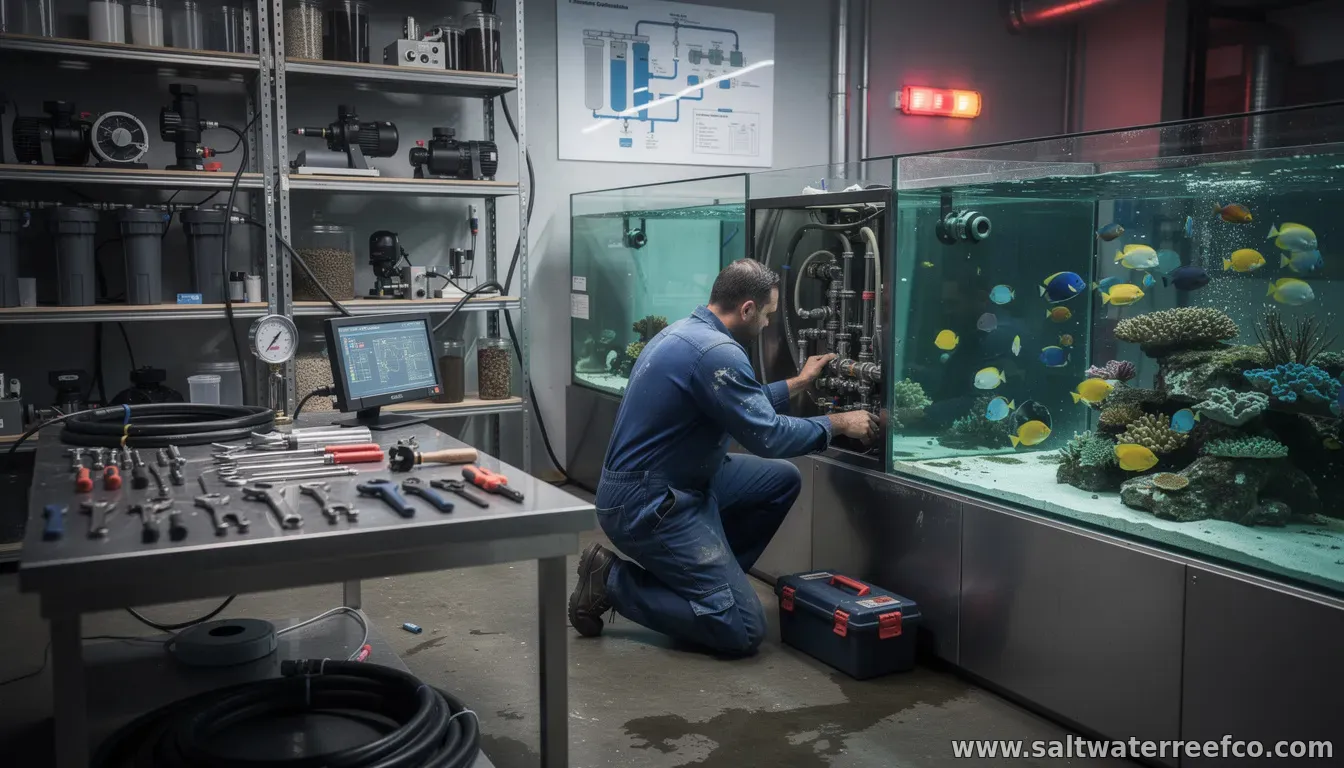
Emergencies in an aquarium can arise from heat swings, equipment failures, or sudden water quality changes. Knowing what to check first can reduce stress for inhabitants and prevent further damage. This article distills expert troubleshooting into actionable steps you can take during a live crisis. Lead A sudden drop or spike in temperature, a failing filtration system, or a cloudy, foul-smelling tank can signal a developing crisis. Staff at leading aquatic shops and veteran hobbyists emphasize staying calm, isolating the issue, and prioritizing fish welfare while you work through fixes. Background Aquariums are delicate ecosystems. Filtration, water chemistry, lighting, and temperature interact to support or stress fish and invertebrates. When one component fails, ammonia and nitrite can rise quickly, oxygen levels may drop, and beneficial bacteria can be overwhelmed. Preparedness—having tools, spare parts, and a basic maintenance routine—can shorten emergency response times. Main details The following steps outline a practical emergency workflow: 1) Safety first: power down nonessential devices if you detect leaks or spills, and unplug heaters or pumps before inspecting wiring. 2) Temperature check: confirm the tank is within the species’ comfort zone and use a reliable, calibrated thermometer. 3) Water quality scan: test for ammonia, nitrite, nitrate, pH, and dissolved oxygen. If ammonia or nitrite is high, do a partial water change (10–25%) with dechlorinated water at the correct temperature. 4) Inspect equipment: verify the filter media isn’t clogged, pumps are circulating, heaters are functioning, and air stones are producing bubbles. 5) Oxygen boost: add an airstone or increase surface agitation to raise dissolved oxygen while you stabilize other parameters. Examples and quotes In urgent cases, technicians stress acting within minutes rather than hours. One aquatics expert notes, “A 20–30% water change, plus verifying that the filtration is pulling water through all media, can prevent a cascading failure.” Another warns that overcorrecting chemistry can cause more harm than good, so changes should be incremental and data-driven. When to seek professional help If the tank has sensitive fauna (neon tetras, shrimp, delicate corals) or if temperatures swing into extremes, consult a local fish store or licensed aquarist. Document readings (test results, temperature, observed behavior) to share with the expert. In planted or reef setups, specific calibrations may be required to avoid stressing corals or plants further. Concluding, emergency response is about rapid assessment, careful stabilization, and a plan to restore full balance. After initial crisis control, re-check parameters daily, verify that all equipment remains in working order, and implement a preventive maintenance schedule to reduce the risk of recurrence. |
|
|
Next & Previous posts