0:47 AM Aquarium Controllers and Automation: Apex and More |
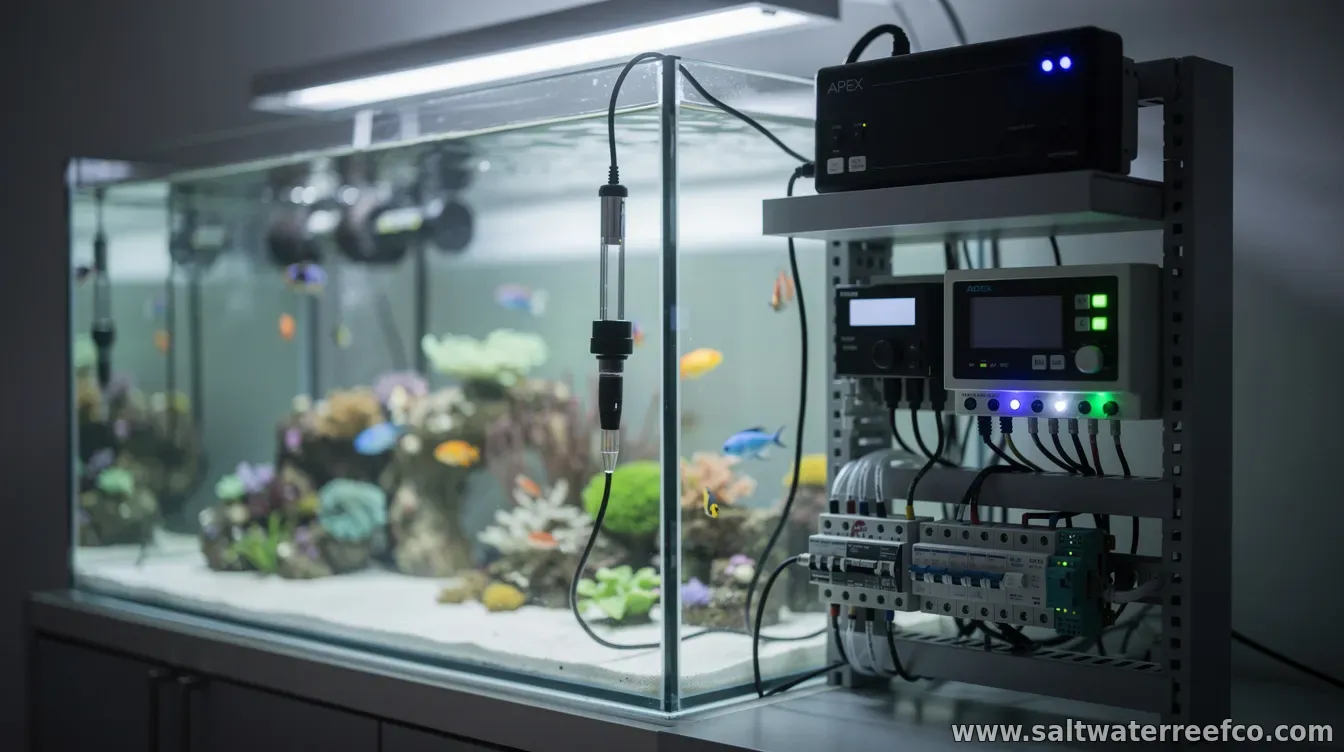
Aquarium controllers and automation systems have become a go-to upgrade for hobbyists who want steadier conditions, fewer missed maintenance tasks, and better protection against equipment failures. Products such as Neptune Systems’ Apex ecosystems, alongside comparable controller platforms, allow users to centralize sensors and outlets—then run logic-based routines that keep tanks stable. At the core, modern aquarium automation blends three functions: monitoring (temperature, salinity, pH, ORP, leak detection), control (heaters, chillers, dosing pumps, return pumps), and alerting (push notifications, email, alarms when parameters drift or devices fail). The result is a system that can react in minutes rather than waiting for a human to notice a problem hours later. Why automation matters: stability and safetyEven small swings in temperature or salinity can stress livestock and complicate reef stability. Controllers can enforce schedules for lighting, temperature targets, and feeding windows, while also reacting to real-time sensor readings. Many setups also include redundant safeguards—like separate heater controls or leak detection—so the system can shut down or notify you when something is off. For example, instead of relying only on a heater’s thermostat, many users route heaters and cooling devices through controller logic. That lets the controller prevent rapid cycling, stage responses, and send alerts if temperature targets aren’t being met. What to look for when choosing a controllerWhen comparing platforms, focus on practical capabilities rather than feature lists. Key considerations typically include:
Some ecosystems are stronger in advanced networking and community-driven profiles, while others may be simpler for first-time users. The best choice is usually the one that matches your current hardware and the direction you plan to expand. Common automation workflows in reef and freshwater tanksWhile each tank is different, many successful automation routines follow a few patterns. Lighting schedules often use gradual transitions to reduce stress from sudden changes. Feeding automation can control dosers or timers to deliver consistent portions. Temperature control is commonly paired with alerts when heating or cooling duty cycles exceed safe thresholds—an indirect way to detect equipment issues. Dosing and water-parameter control require extra care, but controllers can make them safer by adding guardrails: limiting maximum dosing per hour, pausing dosing when sensors read out of range, and notifying users when calibration intervals are due. Used properly, that reduces the risk of runaway dosing from sensor drift. Setup best practices: start small and test thoroughlyAutomation is powerful, but it’s easiest to get right when you build it in stages. Many hobbyists recommend beginning with monitoring and non-critical control (like lighting schedules), then moving to more sensitive functions (like dosing and top-off) only after verifying sensor accuracy and outlet behavior. It’s also crucial to plan for failure modes. Test what happens during network outages, sensor disconnects, and power interruptions. In a well-designed controller setup, the default behavior during an error condition should be predictable—often “notify and move to a safe state,” rather than continuing to run based on bad data. Calibration and maintenance still matter. Sensors drift over time, pumps wear out, and tubing clogs. Controllers can reduce the chance of missing issues, but they don’t eliminate the need for periodic checks. As aquarium automation becomes more accessible, hobbyists are increasingly treating their tanks like managed life-support systems—where software logic, sensor data, and controlled equipment work together. Whether you’re running an Apex setup or evaluating alternatives, the biggest gains typically come from aligning automation with your priorities: stable parameters, dependable alerts, and clear safety behavior when something goes wrong. |
|
|
Next & Previous posts