1:13 AM What Causes a pH Crash and How to Fix It | |
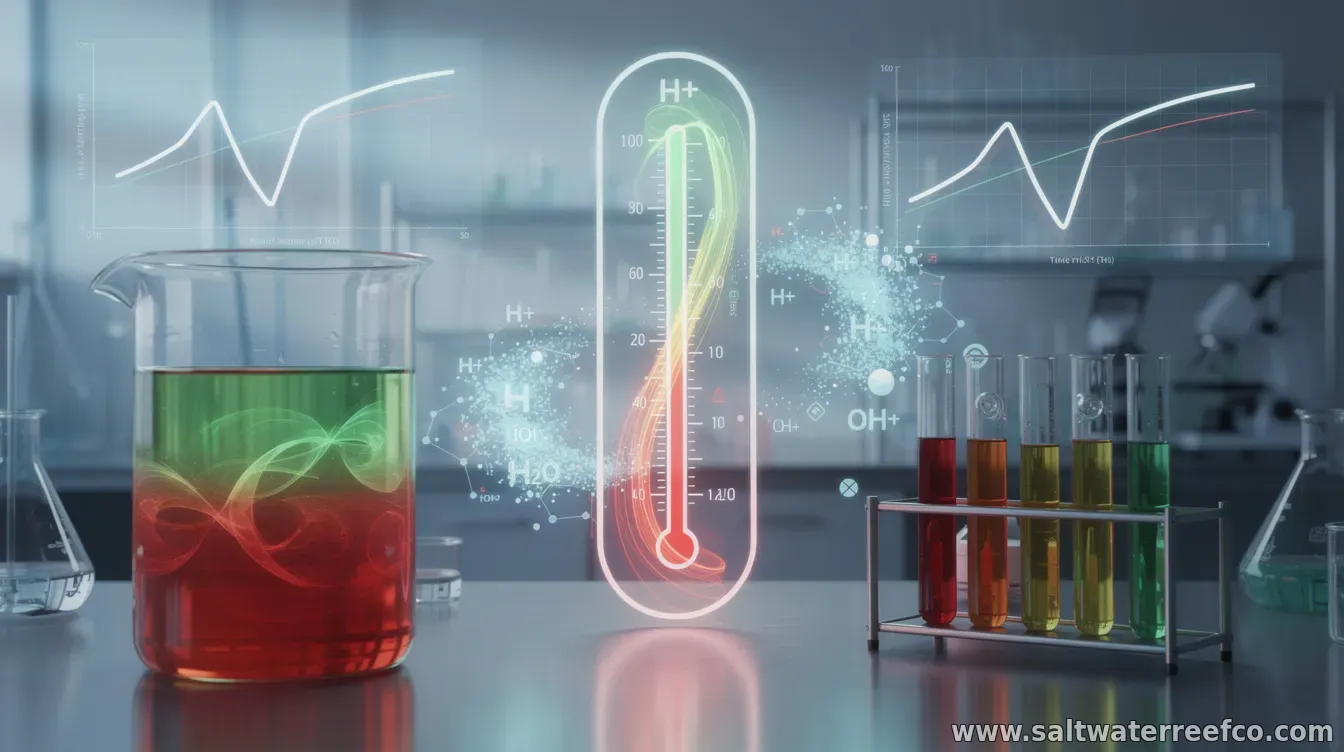
Maintaining a stable pH is essential in chemistry experiments, biological cultures, aquariums, and water treatment. A pH crash refers to a rapid, undesired shift in the hydrogen ion concentration that can disrupt reactions, damage organisms, or invalidate results. Common causes 1) Insufficient buffering capacity: A solution or system lacks enough buffering agents to resist pH changes when acids or bases are added. This is common in low-ionic-strength solutions or poorly buffered mixes. 2) sudden addition of acid or base: Quick, large additions can overwhelm the buffer and force a steep pH change. This includes dosing errors in chemistry experiments or improper additive application in aquariums. 3) Temperature shifts: pH readings can drift with temperature due to changes in dissociation constants. Some buffers are temperature dependent, making collisions between ions more favorable or unfavorable. 4) Contaminants or incompatible materials: Impurities, leaching plastics, or incompatible buffers can alter the chemical equilibrium and lower buffering effectiveness. 5) sensor or measurement error: Faulty pH probes, improper calibration, or electrode fouling can produce erroneous readings that look like a crash even when the system is stable. How to fix a pH crash 1) Confirm measurement accuracy: Calibrate the pH probe with fresh buffer standards at the measurement temperature. Rinse between standards and check for electrode fouling or drift. 2) Assess buffering capacity: If the system lacks a suitable buffer, add a compatible buffering solution designed for your target pH range. For biological systems, use buffers that are non-toxic and appropriate for the organism. 3) Control additions carefully: When adjusting pH, add small amounts gradually, mix thoroughly, and re-check before proceeding. Use a dosing plan or automated controller if precision is critical. 4) Stabilize temperature: Keep temperatures constant or account for temperature effects in pH calculations. If heat is causing drift, insulate or control the environment. 5) Eliminate contaminants: Remove or replace suspect reagents, containers, or tubing. Use high-purity chemicals and clean apparatus to minimize unexpected pH shifts. 6) Implement redundancy: In critical setups, use two independent methods to monitor pH and cross-check results, reducing reliance on a single measurement. 7) Document and monitor: Record pH changes, timing, and any adjustments. Continuous monitoring can help identify repeating causes and prevent future crashes. When to seek expert help If pH instability persists after these steps, consult a supervisor, a chemist, or a veterinarian (for biomedical or aquaculture contexts). Complex systems may require tailored buffering strategies or specialized instrumentation. | |
|
| |
Next & Previous posts