0:41 AM Spotted Mandarin Fish: The Reef’s Electric-Blue Jewel | |
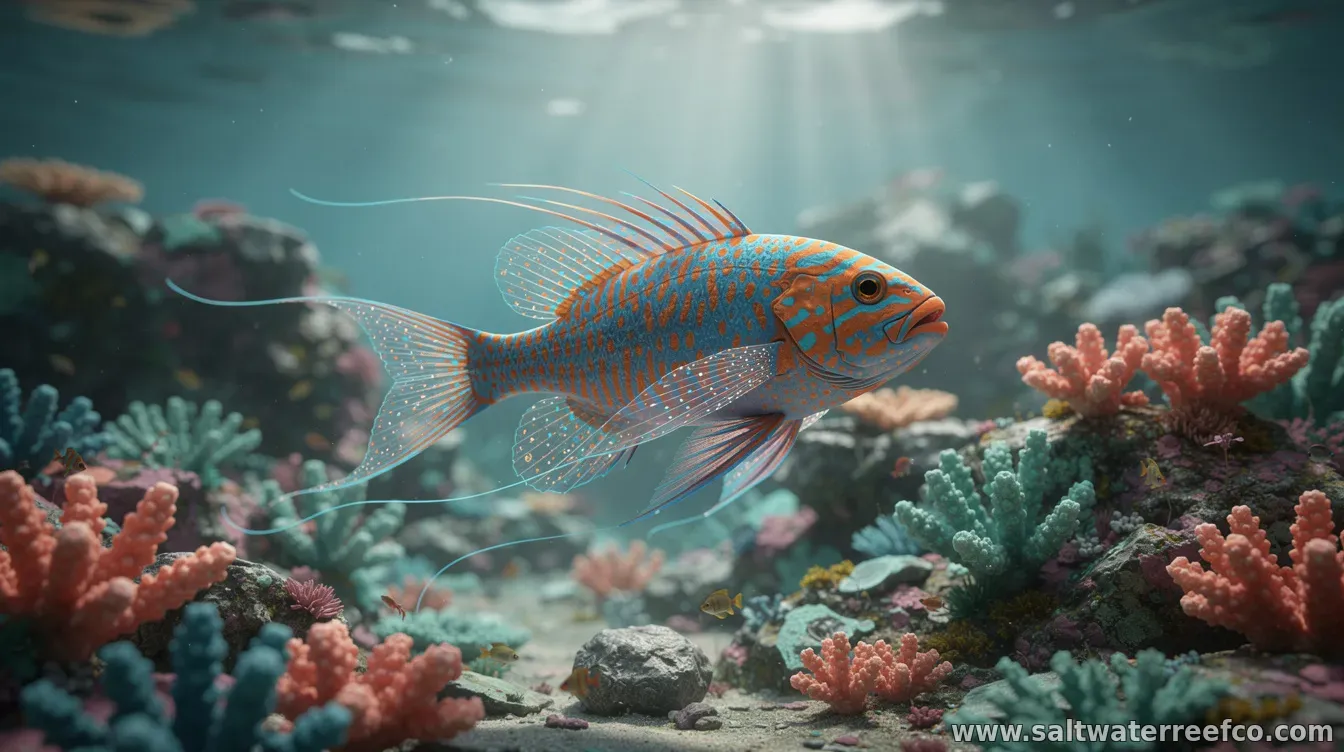
The spotted mandarin fish is often described as a living jewel of the reef—an electric-blue spectacle with bold spots and intricate, shimmering markings that make it stand out even in clear, sunlit waters. Its appearance has earned it a near-mythic reputation among divers and marine enthusiasts. Part of the fascination is how its coloration appears to “pulse” with light. In nature, the mandarin’s vivid blues and contrasting dots are most visible against complex reef backgrounds, helping it blend in visually while remaining remarkably eye-catching. Beyond aesthetics, the spotted mandarin’s survival strategy is closely tied to the reef ecosystem. It typically feeds on tiny organisms found in sand and live rock microhabitats, relying on specialized hunting behavior more than traditional flake foods used for many aquarium fish. That diet is also a key reason the species can be challenging in captivity. Experts often emphasize that mandarin fish do best when provided with established live sand and abundant natural prey, rather than relying on rapid “substitute” feeding routines that may not match its foraging needs. Marine hobbyists looking to keep mandarin fish alive and thriving frequently stress the importance of patience and environment maturity. A reef tank that supports consistent populations of small invertebrates is often considered a prerequisite for long-term success. In the wild, the spotted mandarin’s habitat preferences reflect its need for abundant micro-prey and stable reef structure. Healthy reefs—where food webs remain intact—support the conditions that allow this small, flamboyant fish to persist. As underwater tourism and reef-based conservation attention grow, the spotted mandarin has become a visible symbol of what makes reef biodiversity worth protecting: species that look spectacular, but depend on delicate ecological balance. For those hoping to see the fish in its natural setting, experts recommend seeking healthy reef sites at times when visibility is good and microhabitats are active—because the mandarin’s beauty is inseparable from the living detail of the reef itself. | |
|
| |
Next & Previous posts