1:47 AM Spotted Hawkfish (Cirrhitichthys aprinus) profile | |
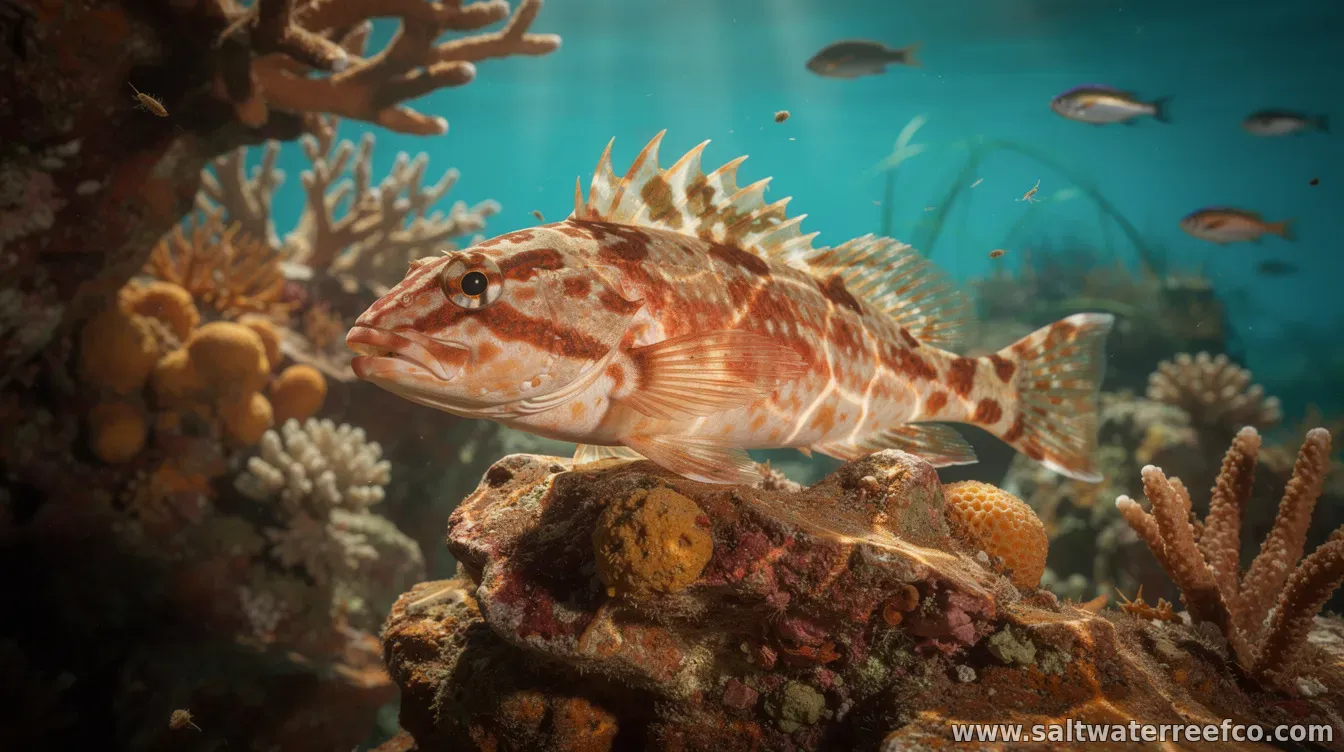
The Spotted Hawkfish (Cirrhitichthys aprinus) is a species of reef dweller found in Indo-Pacific waters. Recognizable by its speckled body and compact shape, it often perches on coral or rock with a characteristic vertical stance. In the wild, its distribution spans shallow lagoons to outer reef slopes, where structures provide shelter and hunting grounds. Habitat and distribution In natural settings, Cirrhitichthys aprinus favors rubble-rich reefs and coral heads. It thrives where there are crevices and ledges to perch, spanning from the surface down to several meters depth. Its range extends across parts of the Indian and western Pacific Oceans, with local populations varying by region. Physical characteristics The species displays a spotted pattern over a pale to mid-toned body, aiding camouflage among corals and rubble. Adults typically reach a moderate length suitable for larger home aquariums, while juveniles may be more vibrantly marked. Like other hawkfishes, it has a robust dorsal fin and a strong, forward-facing mouth used for ambush predation. Behavior and diet Cirrhitichthys aprinus is known for a patient, ambush-style approach to feeding. It often sits motionless among structure before darting to capture small prey such as crustaceans and small fish. In aquariums, researchers and hobbyists note that it can be territorial toward similar-looking species and may require ample perches and rockwork to reduce stress. Conservation and aquarium care Current conservation assessments for the Spotted Hawkfish are limited at the species level in some regions, though it is not typically listed as endangered. In captivity, care considerations include stable water conditions, appropriate feeding, and careful introduction to reduce aggression with tank mates. Breeders and hobbyists emphasize a well-established tank with plenty of hiding spots and compatible neighbors. For enthusiasts considering this species, a larger reef-informed setup with diversified structure will help mimic its natural environment and support natural behavior, reducing stress and promoting health over time. | |
|
| |
Next & Previous posts