1:36 AM Soft Coral Movement You Can’t Beat | |
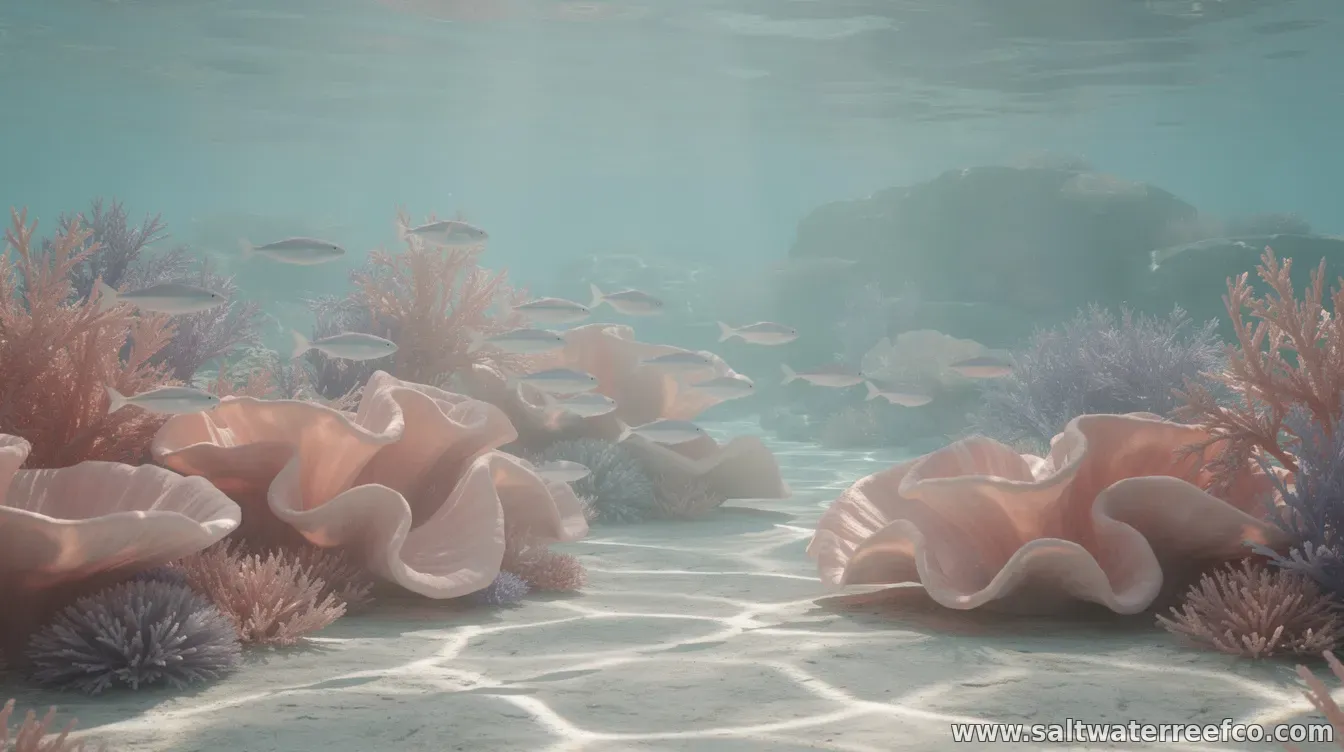
Soft corals, often overlooked for their hardier cousins, are turning heads in marine science as researchers document the distinctive movements that color reef currents with life. Using underwater cameras and motion sensors, a team from the Oceanic Institute tracked how soft-tissue colonies bend and drift with daily currents, tides, and subtle gusts. The result is a dance that helps corals capture plankton and organic particles more efficiently while shaping microhabitats for a suite of reef species. "What we’re seeing is not random wobbling, but a coordinated, patterned motion that seems tuned to local water flow," said Dr. Elena Vasquez, a marine biologist involved in the study. "That movement appears to extend the feeding window for corals and increases the vertical complexity of the reef, which benefits fish and invertebrates seeking shelter." The research also highlights how gentle sways influence sediment dynamics. By subtly shifting water pathways, soft corals help trap fine sediments that would otherwise smother delicate polyps. In turn, this sediment trapping supports a mosaic of algae, sponges, and small crustaceans that constitute the reef’s base community. Environmental scientists are watching how climate pressures affect this movement. Warmer water and stronger, more erratic currents can disrupt the timing and amplitude of coral motion, potentially impacting feeding efficiency and reef structure. The team emphasizes that protecting gentle, wave-driven environments may be as important as safeguarding the more visible reef builders. For divers and conservationists, the findings underscore a broader message: reef health depends on nuanced physical processes as much as on species diversity. As researchers broaden their monitoring, soft corals could serve as sensitive indicators of reef vitality and climate resilience. Looking ahead, the team plans to expand their sensor network to capture three-dimensional movement data across different reef zones, hoping to model how small-scale motions aggregate into large-scale ecological benefits. With continued study, these soft, swaying forms may become emblematic of reefs’ quiet strength in a changing ocean. | |
|
| |
Next & Previous posts