0:40 AM Saltwater tank filtration: essentials for beginners | |
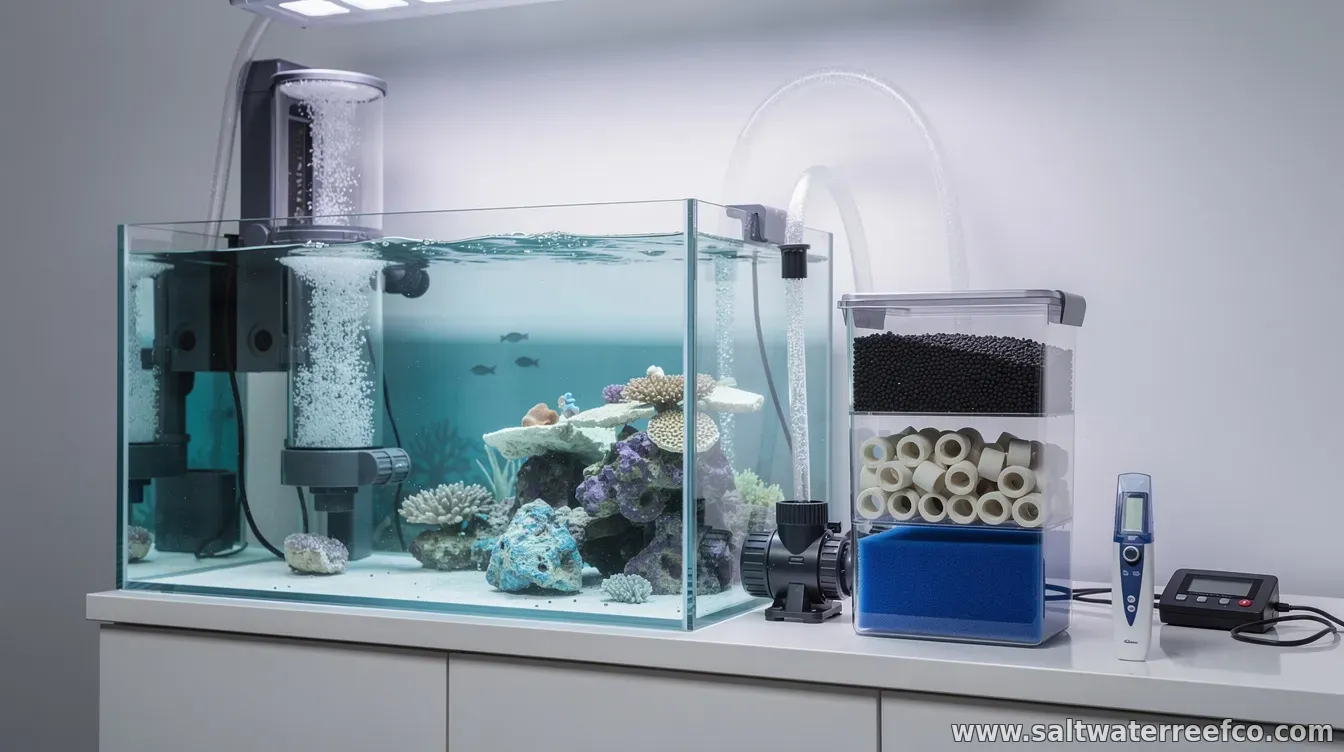
Saltwater aquariums require carefully balanced filtration to maintain clear water and a thriving reef or fish population. The filtration system typically combines several approaches to handle physical debris, chemical balance, and beneficial bacteria. Understanding how these elements work together helps hobbyists select the right gear and avoid costly mistakes. 1) Core filtration categoriesMechanical filtration physically removes suspended particles with filter socks, sponges, or pads. Chemical filtration uses media such as activated carbon or resin to remove dissolved compounds that color the water or affect odor and taste. Biological filtration relies on beneficial bacteria to convert ammonia to nitrite and then to nitrate, a process that happens naturally in rocks, sand, and bio-media. In saltwater systems, biofiltration is often enhanced with live rock or bio-media in dedicated reactors. 2) Essential components for most setupA protein skimmer is standard for many reef and fish-only tanks because it removes dissolved organic compounds before they break down. A return pump drives water through filter media, while a refugium (a dedicated low-nutrient area) helps cultivate helpful microorganisms and can reduce nitrate levels. Regular water changes remain important, but a well-designed filter system reduces maintenance frequency and improves stability. 3) Sizing and compatibility tipsChoose filtration rated for at least 1.5 to 2.5 times the tank volume per hour for turnover, depending on livestock and bioload. For larger or heavily stocked systems, a dual or staged filtration approach (skimmer + live rock + media reactors) is common. Ensure media compatibility with saltwater conditions and routine cleaning to prevent clogging and performance loss. 4) Setup tips and common pitfallsPlan for easy access to replace media and perform maintenance. Avoid over-tightening fittings, which can restrict flow, and watch for detritus buildup in low-flow areas. Test water parameters regularly (ammonia, nitrite, nitrate, pH, salinity) to confirm the filtration is meeting the tank’s needs. Start with moderate filtration and gradually adjust as you observe your tank's bioload and coral or fish requirements. 5) Next steps for new hobbyistsConsult species-specific guidelines, start with a simple filtration setup, and scale up as your knowledge grows. Joining local aquarist forums or clubs can provide region-specific advice and product recommendations. | |
|
| |
Next & Previous posts