1:49 AM Otocinclus Catfish: algae-eating specialists for planted tanks | |
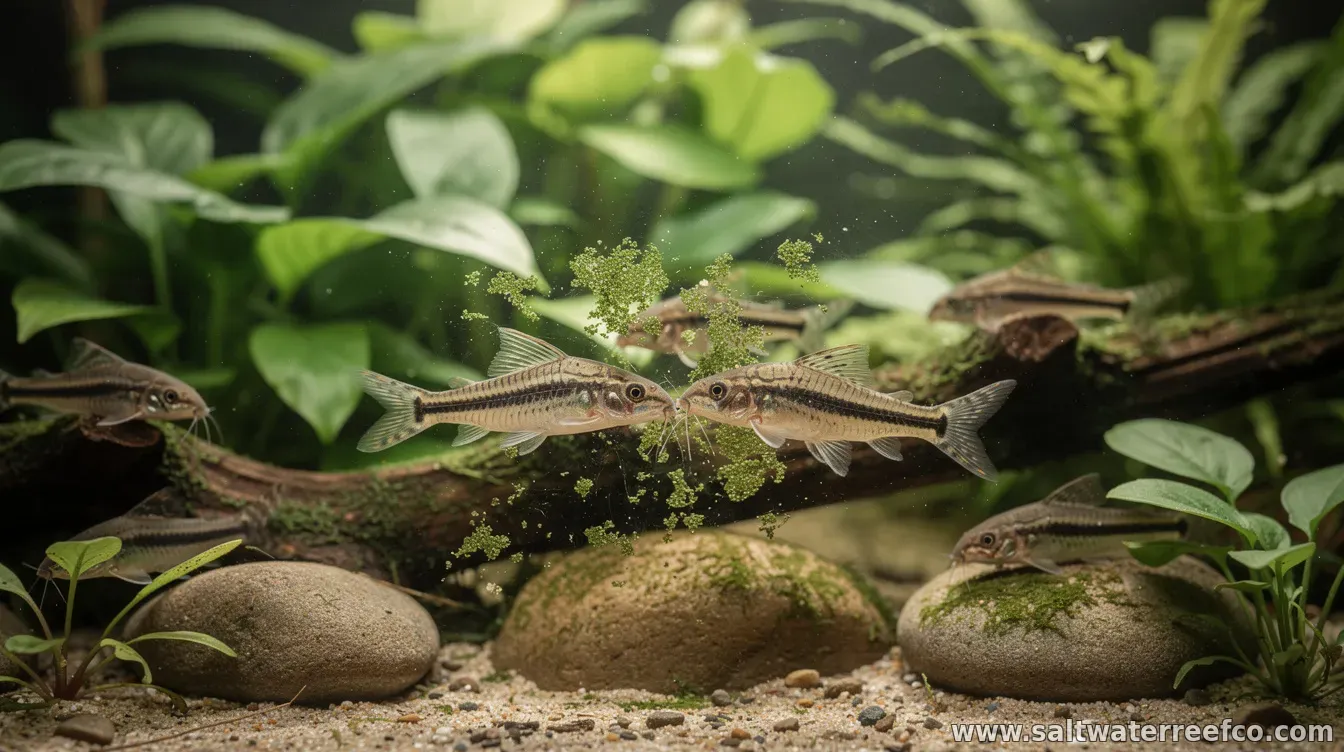
Otocinclus catfish have earned a reputation as algae-eating specialists for planted aquariums. Their compact size, calm temperament, and tendency to graze on aquarium surfaces make them a popular choice for aquarists looking to support a cleaner, more natural-looking tank. Unlike fast-growing “clean-up crew” fish that may ignore specific algae, otocinclus are well known for their persistent grazing behavior. They typically spend their time picking at glass, driftwood, rocks, and leaf surfaces where algae and biofilm commonly develop—helping maintain balance rather than eliminating every visible spot overnight. Why they’re a good fit for planted aquariumsIn well-run planted tanks, algae isn’t only a nuisance—it’s part of a living ecosystem. Otocinclus often fit best where there’s already healthy structure for them to graze on, including hardscape surfaces and established plant growth. Their presence can complement routine maintenance and reduce the visual build-up that can otherwise accumulate between cleaning sessions. What to feed (so they don’t starve)Even though otocinclus are algae grazers, they may need supplemental food—especially in newer tanks or those with low algae levels. Many aquarists provide sinking wafers, algae-based pellets, and blanched vegetables to ensure consistent nutrition. This is especially important after a tank has been heavily cleaned or when lighting and nutrient levels are kept very tight. To improve long-term success, target foods that reach the bottom and choose options formulated for algae-eating fish. Offering small, frequent feedings can also help new otocinclus acclimate to aquarium life. Tank conditions and stocking basicsOtocinclus generally do best in stable, low-stress environments. Smooth water flow, clean filtration, and regular maintenance are key, because sensitive grazers can struggle if organic waste builds up. Many keepers also find that consistent water parameters and gradual acclimation improve feeding behavior and reduce stress. Because otocinclus are typically happiest when housed in groups, stocking decisions matter. Instead of relying on a single fish to “do the job,” many aquarists keep a small school so individuals can share grazing opportunities and settle into a routine. Next steps for aquaristsIf you’re considering otocinclus for a planted setup, the safest approach is to focus on tank maturity, surface availability, and supplemental feeding. Start with good habitat—plants, driftwood, and textured rocks—then pair it with appropriate sinking foods so the fish have options even when algae growth is limited. When matched with stable water conditions and a realistic feeding plan, otocinclus can become a useful, low-profile algae specialist that supports the look and health of a planted aquarium rather than replacing regular husbandry. | |
|
| |
Next & Previous posts