1:04 AM One Spot Damselfish: Habitat, Behavior, and Care | |
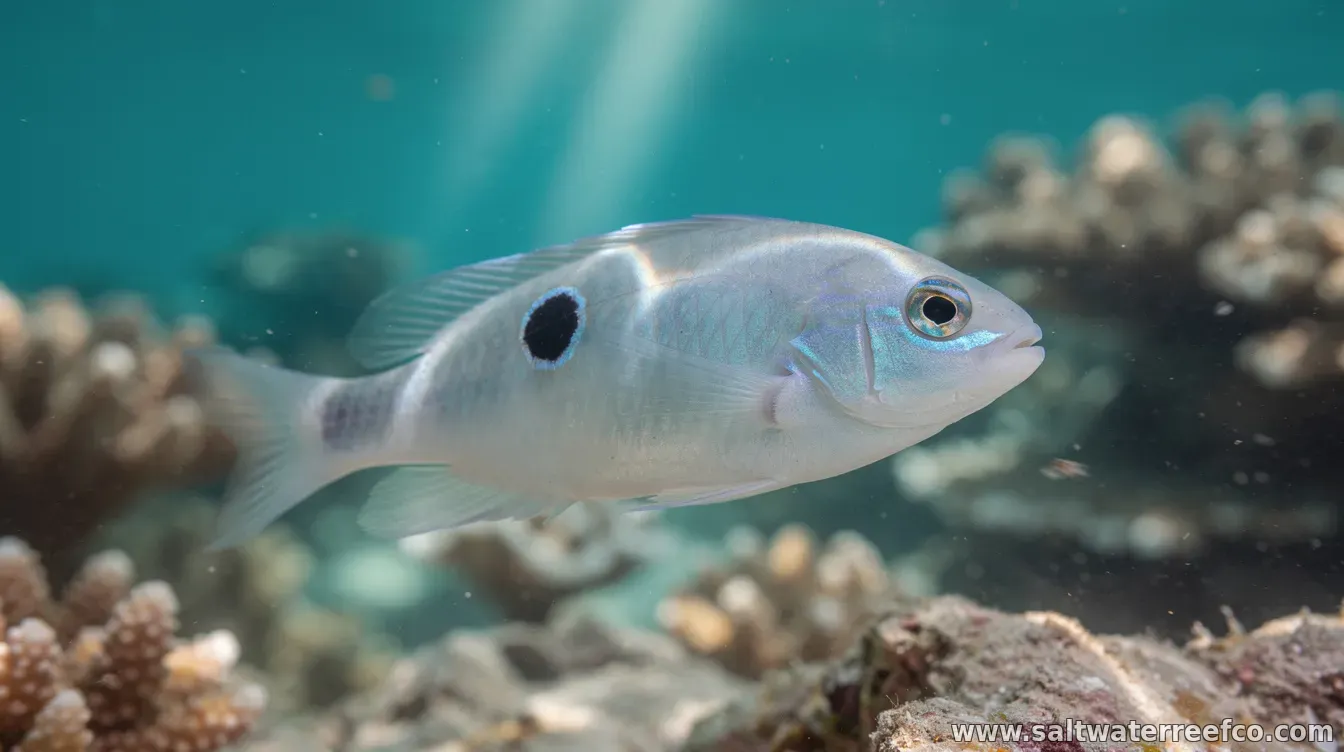
The One Spot Damselfish (Chrysiptera unimaculata) is a compact reef species admired by divers and aquarium keepers alike for its vivid coloration and bold markings. As a member of the damselfish family, it’s particularly known for strong site fidelity—once established, it can defend a small area close to shelter and coral structure. Found across the Indo-Pacific, this damselfish typically inhabits shallow to moderate reef zones where branching and rocky features provide cover. Like many reef dwellers, its presence is closely tied to habitat complexity, which offers both refuge from predators and reliable foraging spots. What it looks likeTrue to its name, the One Spot Damselfish features a conspicuous dark spot that helps distinguish it from similar damselfish species. The body often shows a mix of bright tones—ranging from yellowish to bluish hues depending on location and individual—while the patterning around the spot remains a key field mark for identification. Behavior on the reefOne Spot Damselfish are generally territorial and may aggressively guard their chosen patch of reef, especially against other damselfish. This behavior is most noticeable when individuals are establishing boundaries near shelters such as coral heads, crevices, or dense growth areas. In terms of feeding, the species relies on the reef environment for resources, commonly grazing on small algae and picking at natural growth on rock and coral surfaces. Their constant movement within a home range helps them exploit microhabitats while keeping an eye on intruders. Reproduction and social habitsAs with many damselfishes, the One Spot Damselfish can form pairs during breeding periods and use nearby substrate or protected spaces for reproduction. Pairs may show coordinated defense of their area, with both individuals contributing to maintaining proximity to eggs or breeding sites. In aquariums: compatibility and careBecause the One Spot Damselfish tends to be territorial, aquarium success often depends on tank size, rockwork layout, and thoughtful stocking. Providing ample hiding spots and creating clear visual breaks can reduce conflict, especially if the tank also includes other reef fish with similar shapes or competing temperaments. For feeding, damselfish generally do well with a mix of high-quality prepared foods and algae-based options. Water quality should be stable, with appropriate filtration and consistent parameters—conditions that support both fish health and the growth of natural grazing surfaces in the tank. Overall, the One Spot Damselfish is best appreciated as a reef-focused species: it rewards keepers (and divers) who look closely at behavior, territory, and the micro-interactions that define life on coral reefs. | |
|
| |
Next & Previous posts