1:07 AM How Often Should I Do Water Changes in an Aquarium? | |
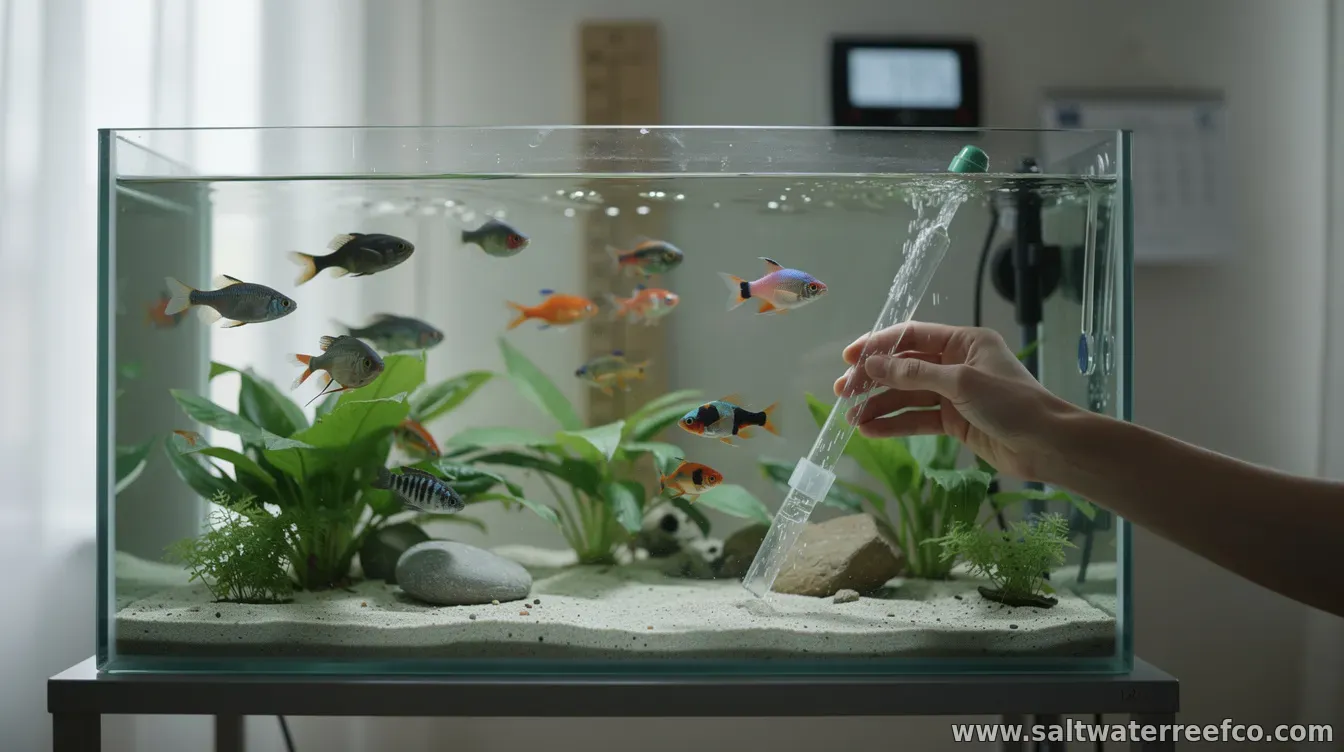
Maintaining clear, healthy water is one of the most important ongoing tasks for aquarium keepers. The frequency of water changes depends on several factors, including tank size, bioload, filtration, and the species you keep. A good starting rule is to perform regular, modest changes rather than large, infrequent ones. Recommended starting frequencies In general, many hobbyists start with a 10–20% water change weekly for small to medium tanks (roughly 5–30 gallons) with a balanced community of fish. If you have a higher bioload (many fish, feeding-heavy, or delicate species) or a newly set up tank, you might begin with 20–25% changes every 5–7 days. For very large tanks or heavily planted systems, 20% every 2 weeks can be appropriate, but always monitor water test results and adjust accordingly. Key factors that influence frequency• Bioload: More fish and feeding increases nitrate buildup and the need for changes. • Filtration and biological balance: Efficient filters and healthy beneficial bacteria reduce nitrate accumulation, possibly allowing a bit more leeway. • Adult fish and plant health: Sensitive species (some tetras, discus, shrimp) may require steadier, smaller changes. • Tank maturity: New setups often experience more fluctuations; gradual changes help stabilize the cycle. • Water quality goals: If you target ultra-low nitrate levels, you may change more frequently or adjust feeding. How to perform a water change1) Test your water parameters to establish a baseline (ammonia, nitrite, nitrate, pH, hardness). 2) Prepare treated, temperature-matched water similar to your tank water. 3) Use a clean siphon or vacuum to remove a portion of water, while cleaning the substrate and debris as needed. 4) Refill with treated water, ensuring gradual addition to avoid stressing inhabitants. 5) Re-test after changes and adjust your schedule if nitrate levels remain high. Common mistakes to avoid• Large, infrequent changes: They can shock fish and destabilize parameters. • Ignoring nitrate spikes: Persistent high nitrates indicate you need more frequent changes or alternative management (feeding, algae control, filtration). • Not matching water parameters: Differences in temperature, pH, or hardness between tank water and makeup water can stress residents. Ultimately, consistency is key. Start with a baseline schedule, monitor water parameters regularly, and adjust as your tank biology evolves. Over time, you’ll identify a rhythm that keeps your aquarium stable and healthy. | |
|
| |
Next & Previous posts