1:15 AM Flatworms in Reef Tanks: How to Identify and Remove Them | |
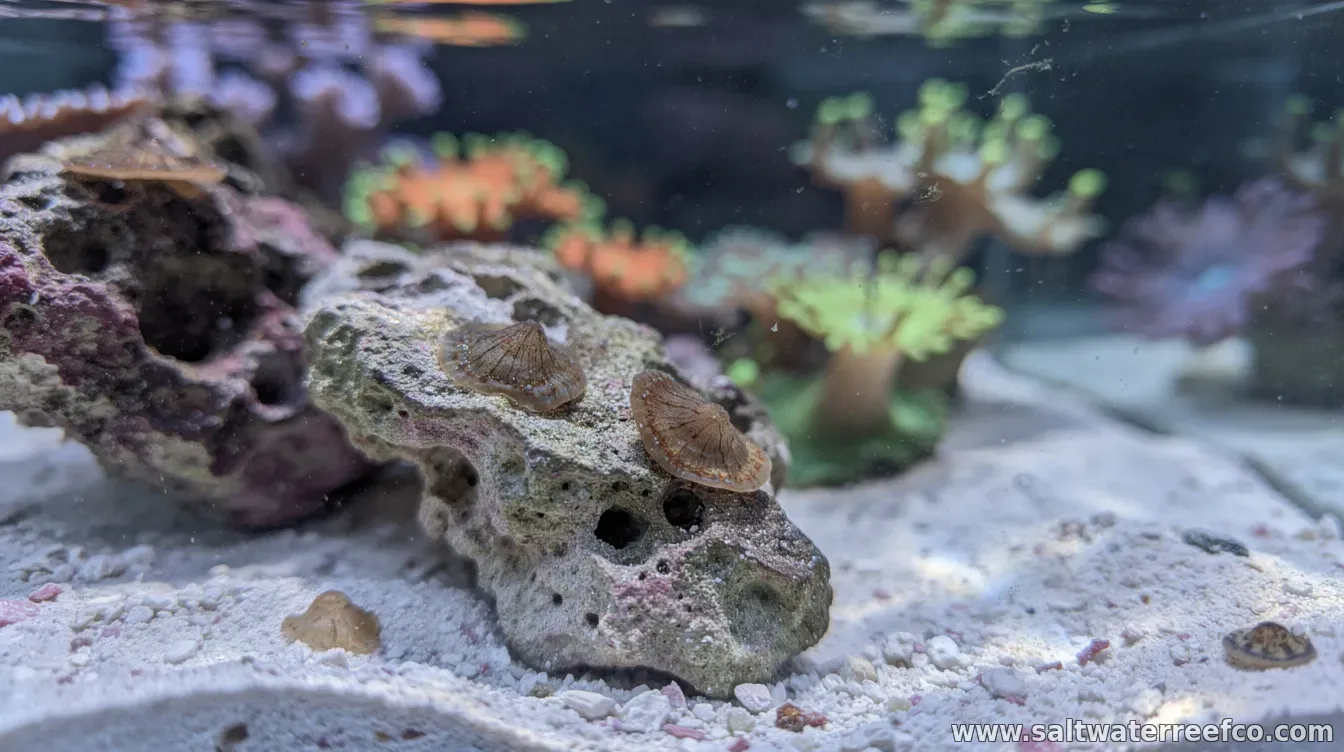
Flatworms are among the most common reef-tank pests reported by aquarists, especially in systems that experience stress, nutrient imbalance, or frequent introductions of new livestock. While not all flatworms are harmful, several types can irritate corals or multiply rapidly, prompting urgent troubleshooting. This guide explains what to look for, which signs suggest a pest species, and how to reduce their numbers using practical, aquarium-safe measures. How to identify flatworms in a reef tankMost nuisance flatworms share a similar “squishy” look—small, soft-bodied animals that move slowly or glide along surfaces. However, their color, size, and behavior can help narrow the likely type:
To confirm you’re dealing with flatworms rather than other aquarium residents, watch them closely: flatworms typically leave no shells or tubes, glide rather than dart like copepods, and often appear in small clusters on glass, overflows, and shaded rock surfaces. Signs the flatworms are harming (or likely to spread)Flatworms become a concern when their numbers rise quickly or when you notice coral irritation and tissue loss. Warning signs include:
Because some beneficial flatworms can also exist in reef ecosystems, the goal is not panic—it’s identifying whether your specific flatworms are multiplying and whether corals show stress. First response: reduce food and remove breeding hotspotsBefore introducing any treatment, take steps that lower the odds of a rapid population rebound. Flatworms generally respond to excess organics, so reducing their resources can slow spread: 1) Improve detritus control. Use a gentle siphon during water changes to remove organic-rich debris from the sand bed and sump. Focus on dead spots where waste accumulates. 2) Feed more conservatively. Shorten the feeding window, target feeding, and avoid broadcasting excessive food that settles on rock. 3) Increase export. Ensure skimmer performance is stable, keep filter media clean (without over-washing live media), and consider modest adjustments to flow to prevent organics from settling. 4) Manually remove visible individuals. With a turkey baster or siphon, remove flatworms you can see on glass and rock during the early stage. This is especially useful right before a planned treatment. Treatment options: targeted approaches with reef safety in mindMany hobbyists use chemical or biological strategies, but reef safety depends heavily on the exact product, dosing, and your tank’s livestock. Always follow the manufacturer’s instructions and consider a trial in a small area or a separate container when possible. Targeted chemical treatments: Some reef-keeper products are designed specifically for flatworms and typically work by disrupting their biology. If you use a flatworm medication, plan for careful monitoring of oxygenation and avoid dosing during periods when corals are already stressed. Controlled dips or localized treatments: For small infestations or affected coral sections, hobbyists may use dips or carefully apply treatment to impacted areas. This can reduce collateral risk, but it still requires strict attention to coral sensitivity and water chemistry. Competition and nutrient balance: While not an instant fix, long-term stability—consistent salinity, stable parameters, and good nutrient export—reduces “boom-bust” conditions that let nuisance flatworms take over. Regardless of the method, many flatworm outbreaks require repeat attention. Some treatments reduce the visible population, but eggs or remaining individuals can lead to resurgence if the tank’s underlying conditions do not improve. What to do after treatment (to prevent the comeback)After you treat or remove flatworms, reinforce the conditions that discourage their return:
If flatworms continue to multiply after treatment, it may indicate an incorrect ID, an incomplete dosing schedule, or persistent nutrient/organics problems. In that case, reassess water quality and inspect filtration, substrate depth, and feeding practices. Bottom lineFlatworms in a reef tank are best handled with a two-part approach: identify the likely nuisance species by appearance and behavior, then reduce organics while using targeted removal methods safely. With consistent cleanup, conservative feeding, and careful follow-up, many infestations can be brought under control before coral health is affected. | |
|
| |
Next & Previous posts