2:57 AM Dog conch (Laevistrombus canarium): hardy sea snail explained | |
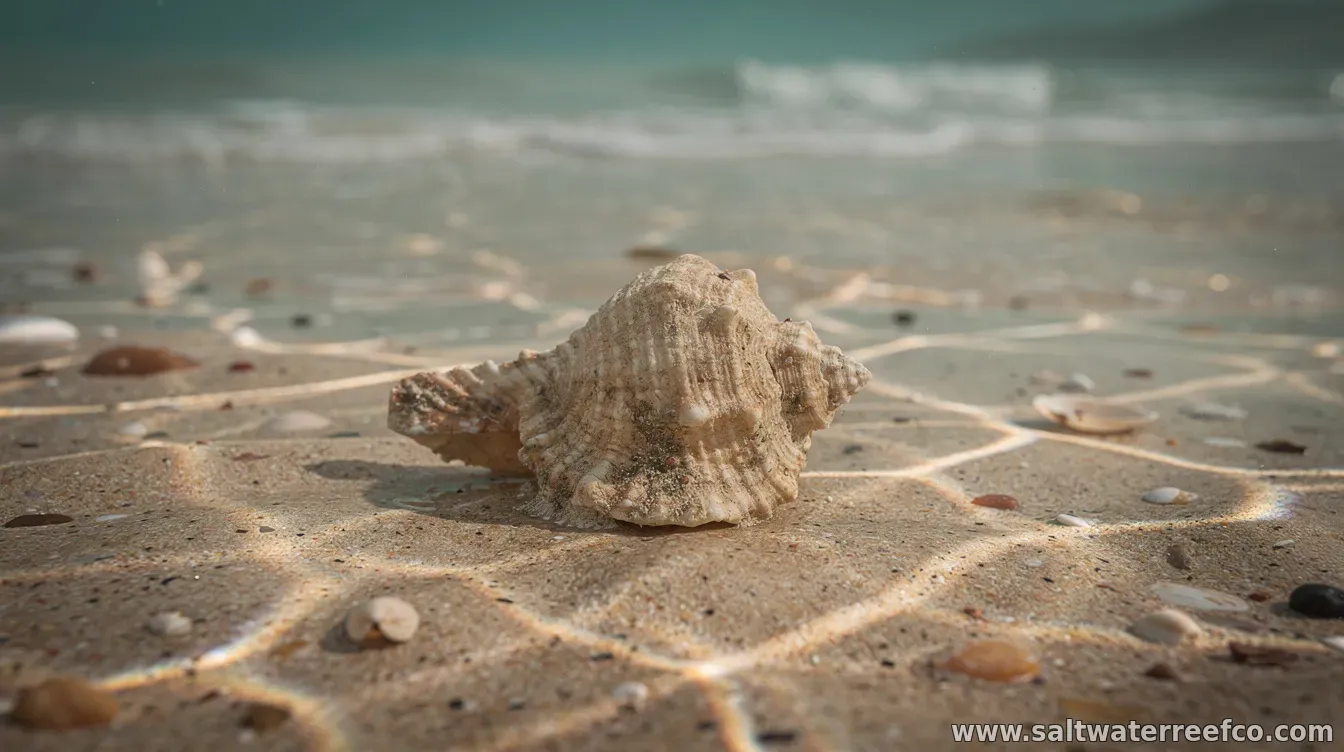
The dog conch (Laevistrombus canarium) is often described as a hardy sea snail, able to persist in environments that can challenge less tolerant species. Found in coastal waters of the western Atlantic and Caribbean region, it draws attention from biologists studying mollusk resilience and from communities that rely on marine life. Its reputation for toughness is tied to how the species manages daily and seasonal changes in water conditions. Conchs are benthic—meaning they live on or near the seafloor—and their success depends on food availability, stable substrates, and water chemistry that remains within survivable ranges. Where the dog conch livesDog conch are typically associated with seagrass and rocky or sandy bottoms where they can locate algae and detritus to feed on. These habitats can buffer environmental swings, offering shelter and consistent foraging opportunities, which helps explain why the animal can maintain populations even when conditions fluctuate. Depth and local geography also matter. In many areas, the species is most common where currents and tides support nutrient cycling and where the seafloor remains suitable for long-term attachment and movement. Why it’s considered “hardy”“Hardy” in this context generally refers to the conch’s ability to tolerate a spectrum of temperatures and to persist despite natural disturbances such as storms, sediment movement, and seasonal shifts in productivity. Like other marine gastropods, its physiology and behavior help it cope with periods when food is less abundant. However, resilience is not the same as invulnerability. Habitat degradation—such as loss of seagrass, sedimentation from coastal development, and water pollution—can reduce feeding grounds and breeding success, gradually undermining even robust populations. Ecological role and why it mattersAs a grazing species, the dog conch can contribute to controlling algal growth and participating in the cycling of organic material on the seafloor. In healthy ecosystems, it also supports food webs by serving as prey for predators that hunt mollusks. Monitoring conch abundance can therefore act as one indicator of broader habitat health. When coastal environments change, benthic species like Laevistrombus canarium may respond early—through shifts in distribution, size structure, or local density. Conservation and outlookConservation efforts that protect habitat quality—especially seagrass beds and water quality—are often the most effective ways to support hardy species long term. Where local extraction or bycatch occurs, sustainable management becomes important to prevent populations from being depleted faster than they can recover. For scientists and coastal stewards, the dog conch remains a useful focus: a species whose hardiness can help it endure certain pressures, while still reflecting the conditions of the marine environment it depends on. | |
|
| |
Next & Previous posts